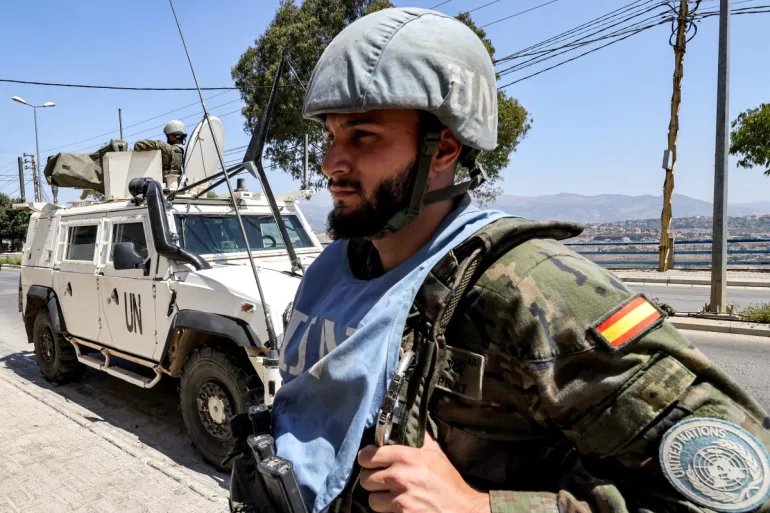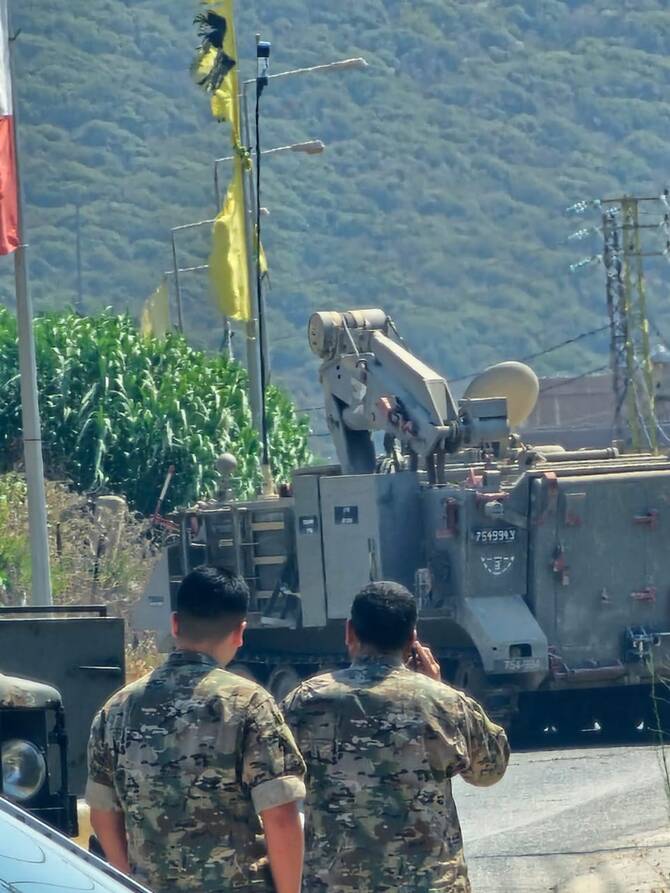
A planned virtual meeting among Lebanese, Israeli, and US military representatives was postponed on Friday, July 17, 2026, amid escalating border tensions. The postponement follows a recent announcement from the Lebanese presidency regarding a forthcoming US military delegation to Lebanon. On Thursday, the Lebanese presidency stated that President Joseph Aoun had been informed by US Ambassador to Lebanon Michel Issa that this military delegation would arrive to oversee the beginning of the Israeli withdrawal from Southern Lebanon. The trilateral meeting aimed to address ongoing issues along the border between Lebanon and Israel, which has seen increased friction. The delay in diplomatic efforts shows the continued challenges in de-escalating the situation in the region, noting the fragile nature of peace initiatives in the volatile border area. This postponement marks a setback in the concerted efforts to stabilize the situation and implement the agreed-upon framework for disengagement.
On-the-Ground Military Activity
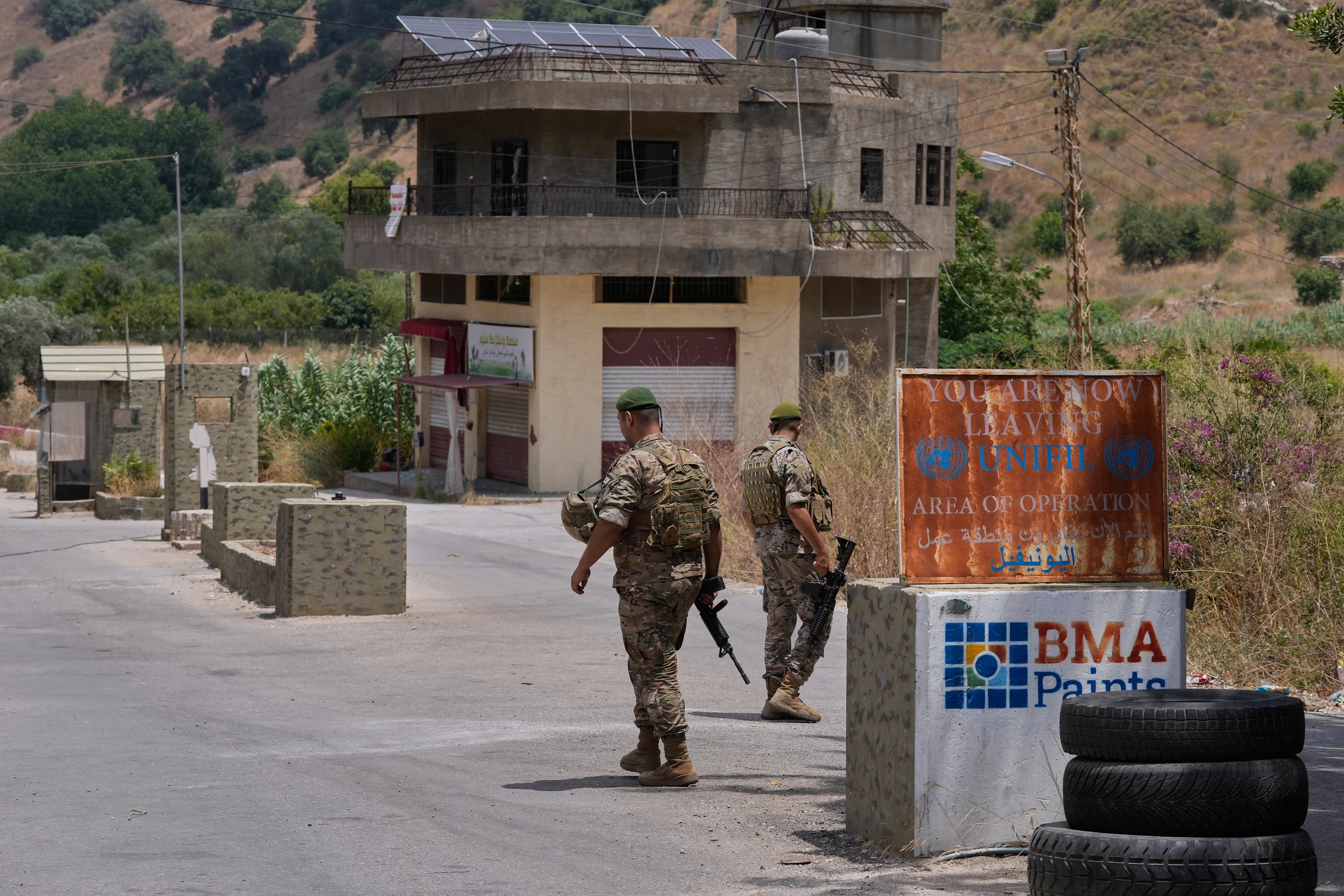
The postponed meeting was initially intended to finalize pilot zones, establish a timetable for Israel’s withdrawal, and facilitate the expansion of the Lebanese army’s deployment, as outlined in the framework agreement signed in Washington on June 26. This framework agreement, a significant diplomatic achievement, aimed to create a structured path towards de-escalation and the establishment of a more secure border. The pilot zones were envisioned as key initial steps, allowing for a phased withdrawal and the gradual assumption of control by Lebanese forces. Concurrently, Lebanese army units have increased their presence in southern Lebanon. These forces conducted patrols and established checkpoints in the towns of Froun, Ghandourieh, Qalaouiyeh, Burj Qalaouiyeh, and Kfar Dounine. This heightened deployment by the Lebanese army is a direct response to the prevailing tensions and a demonstration of their commitment to securing the border region. The increased visibility of Lebanese troops in these key locations is intended to reassure local populations and assert national sovereignty over the area.
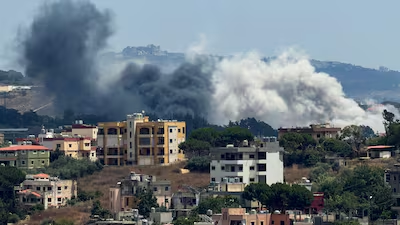
Military movements have also been observed on the Israeli side, contributing to the heightened sense of alert along the frontier. An Israeli tank advanced on Friday along the main road connecting Mansouri and Bouyout Al-Sayyad, located on the Tyre-Naqoura route. The tank positioned itself near a Lebanese army checkpoint before subsequently withdrawing from the area. This movement, while temporary, was closely monitored by Lebanese forces and served as a reminder of the ongoing military presence and potential for confrontation. Such maneuvers often contribute to a climate of apprehension and can easily be misinterpreted, further complicating de-escalation efforts. In recent days, the Israeli army has also been engaged in demolishing houses in Zawtar Al-Gharbiyah, adding to the military activity in the border region. These demolitions have a significant impact on the local population and are viewed with concern, further exacerbating tensions in an already sensitive area. The precise reasons for these demolitions have not been fully disclosed, but they contribute to the overall instability and mistrust between the parties.
Diplomatic Efforts and Sticking Points
Despite the recent postponement, diplomatic efforts to resolve the border dispute are continuing on multiple fronts. Israel-Lebanon talks took place in Rome earlier this week, with US mediators present to facilitate discussions. These diplomatic engagements come as Lieutenant General Joseph Clearfield, a key mediator, began his mediation visits a week ago. Lieutenant General Clearfield is anticipated to return to Lebanon on July 23 to continue these efforts. His role as a neutral facilitator is considered vital in bridging the significant differences between the two sides. The ongoing shuttle diplomacy aims to keep communication channels open and build momentum towards a lasting resolution, even in the face of on-the-ground challenges. The presence of US mediators shows the international community's commitment to preventing a wider conflict and fostering stability in the region.
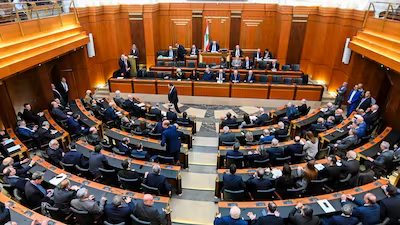
Further high-level diplomatic activity is scheduled, with President Joseph Aoun of Lebanon expected to travel to Washington on Tuesday. During his visit, President Aoun is slated to meet with US President Donald Trump, indicating continued engagement at the highest levels of government to address the regional tensions. This high-profile meeting is expected to focus on the current border situation, the implementation of the framework agreement, and the broader security landscape in Southern Lebanon. The discussions will likely explore ways to accelerate the Israeli withdrawal and ensure the effective deployment of the Lebanese army in the designated areas. President Aoun's direct engagement with President Trump notes the critical importance attached to these negotiations by both Lebanon and the United States. These meetings show the ongoing international push to de-escalate the situation and find a resolution along the border, emphasizing the need for sustained political will to overcome the existing obstacles.
Conflicting Interpretations of Pilot Zones
The US delegation to the military coordination committee, responsible for overseeing discussions related to the border situation, is headed by Lieutenant General Joseph Clearfield. This committee plays a key role in translating diplomatic agreements into practical, on-the-ground implementation. Its mandate includes monitoring compliance with the framework agreement and addressing any operational challenges that may arise during the withdrawal and deployment phases. Meanwhile, Israeli officials have maintained a firm stance on their military presence. They continue to insist that the army will not pull back from the security zone it has carved out to a depth of 10 km beyond the border unless Hezbollah is disarmed. This position notes a significant point of contention in the ongoing negotiations regarding the pilot zones and the broader framework for disengagement. The Israeli demand for Hezbollah's disarmament remains a critical obstacle to any potential agreement on withdrawal from the delineated security area, creating a fundamental divergence in expectations between the parties. This conditionality complicates the establishment of pilot zones and the timetable for withdrawal, as disarming Hezbollah is a complex internal Lebanese issue. The differing interpretations of the framework agreement and the prerequisites for withdrawal continue to be a major hurdle in achieving a full and lasting peace along the border.