Germany on Friday supported calls for a potential European Union deployment aimed at training and supporting Lebanese security forces. The move comes as the mandate for the United Nations Interim Force in Lebanon (UNIFIL) is set to expire at the end of 2026, with a subsequent gradual withdrawal planned over more than a year. This significant shift in international peacekeeping efforts in the region has prompted a re-evaluation of how Lebanon's security needs will be met. UNIFIL was originally established in 1978 and its operations were significantly reinforced following the 2006 war between Israel and Hezbollah, showing its long-standing role in the volatile border area. UN Secretary-General Antonio Guterres has argued that Lebanon will still require an international peacekeeping presence once UNIFIL’s mandate concludes, noting the continued need for stability and security assistance. The impending conclusion of UNIFIL's mission has therefore spurred various international stakeholders to explore alternative mechanisms for supporting Lebanese sovereignty and security capabilities.
EU Mission Proposals Emerge
In response to the looming deadline for UNIFIL's withdrawal, several European nations have begun to articulate proposals for a new form of international engagement. Ireland has backed the prospect of an EU mission specifically designed to train and strengthen the Lebanese Armed Forces (LAF). This initiative reflects a broader European interest in contributing to regional stability. Austria and Spain reportedly joined this effort, proposing that the European Union consider a non-executive military mission. A non-executive mission would typically focus on training, advisory roles, and capacity-building rather than direct operational engagement in combat or policing. An initial EU proposal for such a mission envisaged a two-year mandate, running from 2026 to 2028, aligning with the post-UNIFIL transition period.
Further elaborating on potential European involvement, the European External Action Service (EEAS) drafted a separate proposal in June, outlining a three-year civil-military mission. This EEAS proposal specifically aims to bolster Lebanese sovereignty through full capacity-building initiatives. It seeks to support both the Lebanese Armed Forces (LAF) and the Internal Security Forces (ISF) in their operational capabilities, addressing a wide spectrum of security challenges. The EEAS plan emphasizes enhancing the ability of Lebanon's own security institutions to maintain order and defend its borders, thereby reducing reliance on external peacekeeping forces over the long term. These varied proposals demonstrate a concerted effort within the EU to formulate a coherent and effective strategy for post-UNIFIL Lebanon, considering both military and civilian aspects of security sector reform. The discussions around these proposals are ongoing, as European nations seek to define the scope, duration, and nature of any future mission.
Context of UNIFIL's Role
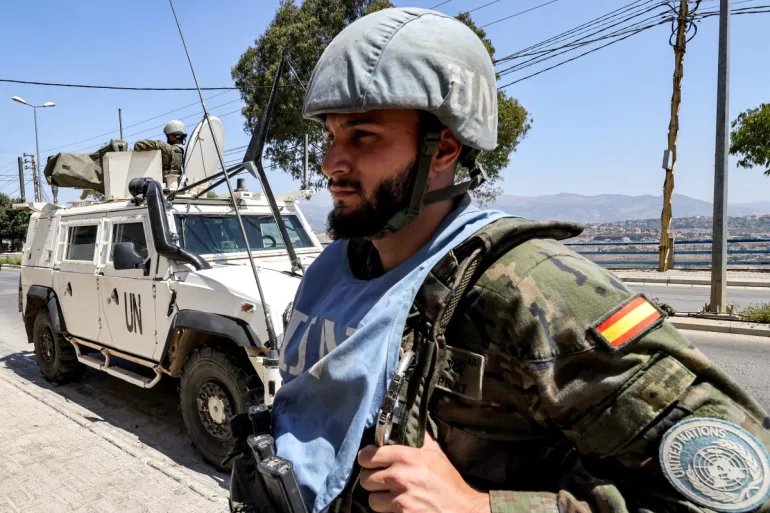
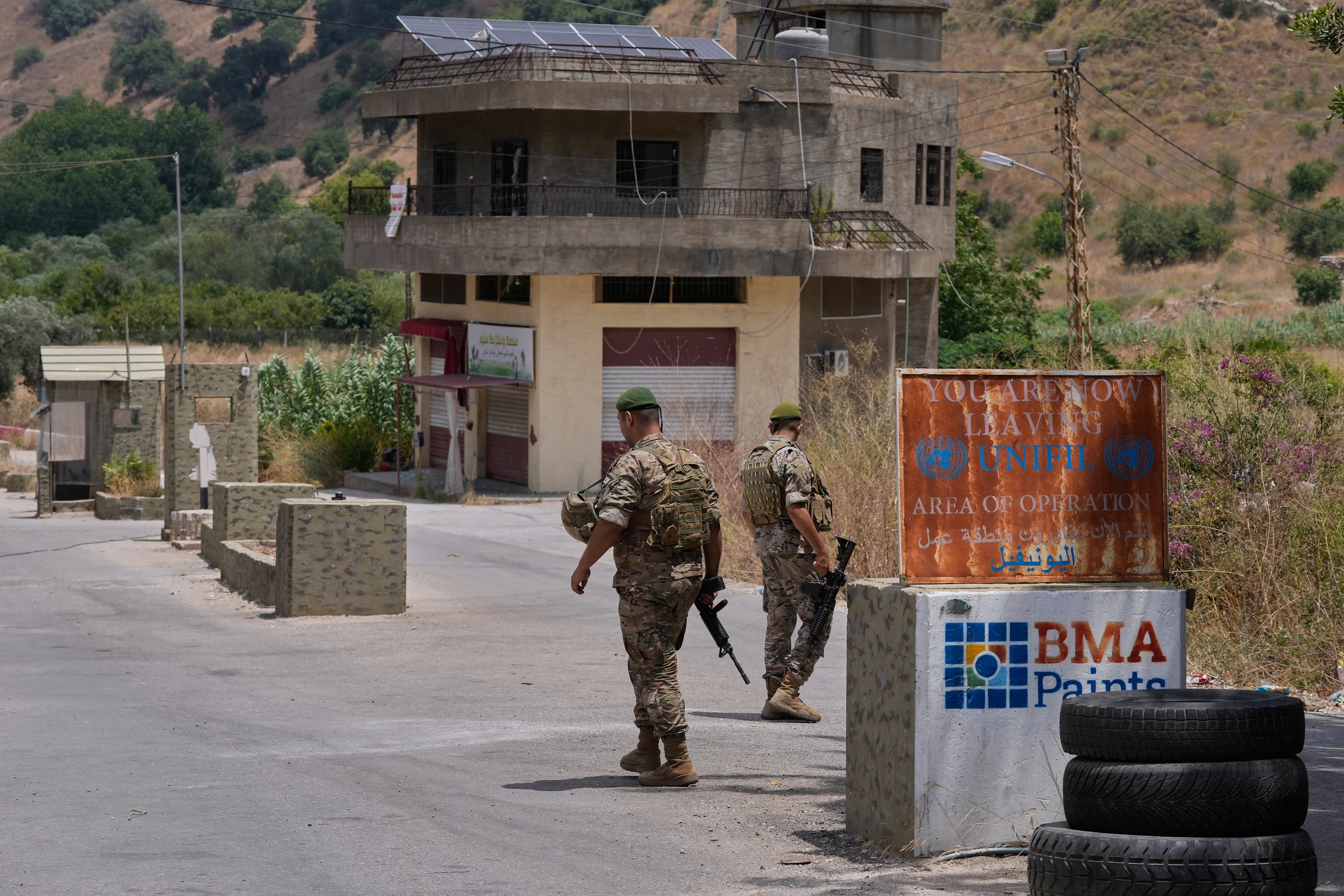
UNIFIL currently maintains a significant presence in Lebanon, deploying 7,500 personnel. These forces are tasked with patrolling and monitoring the Blue Line, the internationally recognized demarcation line between Lebanon and Israel. The mission's mandate includes ensuring the cessation of hostilities, assisting the Lebanese government in establishing its authority in the south of the country, and facilitating humanitarian access. Its operations are key for maintaining stability in a sensitive border region, which has historically been a flashpoint for conflict. The force's presence also helps deter violations of the cessation of hostilities and supports the Lebanese Armed Forces in fulfilling their security responsibilities, particularly in controlling the southern border areas. The personnel are drawn from various contributing countries, operating under a United Nations Security Council resolution, noting the broad international consensus behind its mission.
The impending withdrawal of UNIFIL thus represents a substantial shift in the security architecture of southern Lebanon. The mission's long history and strong presence have provided a critical buffer, and its departure necessitates careful planning to avoid any security vacuum. The discussions around potential successor missions, whether from the EU or other UN-backed arrangements, show the international community's recognition of the continuing need for stability in this strategically important area. The goal is to transition from a large-scale peacekeeping operation to a more targeted support and training mission, empowering Lebanese forces to take on greater responsibility for their nation's security.
International Support and Concerns
The international community is actively engaged in planning for the period following UNIFIL's mandate. UN Secretary-General Antonio Guterres presented three potential follow-on arrangements in June, proposing options that would involve between just under 2,000 and more than 5,500 UN personnel in Lebanon after UNIFIL's mandate concludes. These options reflect a spectrum of possible scaled-down UN presences, acknowledging the continued need for some level of international monitoring and support, even if not in the full capacity of the current UNIFIL mission. These proposals are currently under consideration by member states and the UN Security Council.
Separately, French President Emmanuel Macron and Italian Prime Minister Giorgia Meloni signaled their intent to form a transnational coalition for the post-UNIFIL period during a summit in late June. This joint initiative from two prominent European powers emphasizes the urgency and importance of the situation. President Macron stated that this initiative aims to "strengthen Lebanon’s sovereignty and its armed forces in coordination with the EU and the UN," indicating a desire for a coordinated international approach. This Franco-Italian effort seeks to consolidate support and resources for Lebanon's security sector, potentially drawing on expertise and contributions from various nations.
Lebanese President Joseph Aoun welcomed the joint Franco-Italian initiative. President Aoun described the effort as "a sincere expression of the international commitment to supporting Lebanon’s sovereignty and stability," showing the Lebanese government's appreciation for continued international assistance. These developments indicate a growing international focus on Lebanon's security arrangements as the UNIFIL mission approaches its scheduled withdrawal. The proposals highlight a desire to maintain international support for Lebanon's stability and defense capabilities, albeit through different mechanisms than the current UN peacekeeping operation, with a clear emphasis on capacity-building and empowering Lebanese forces.