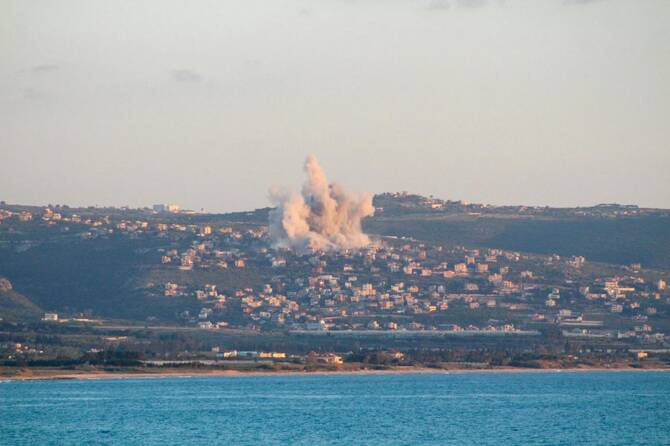
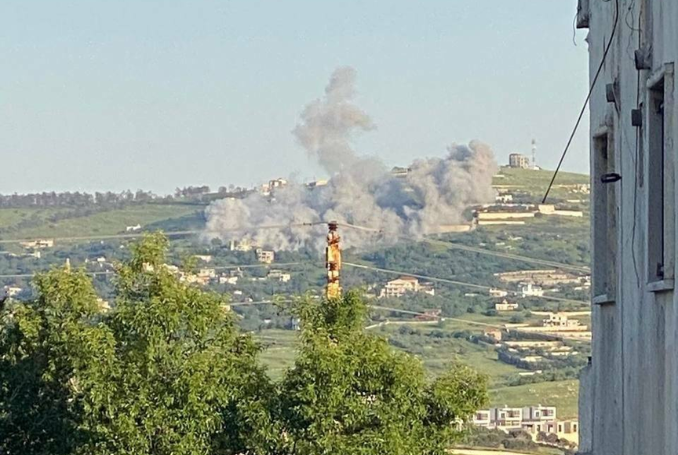
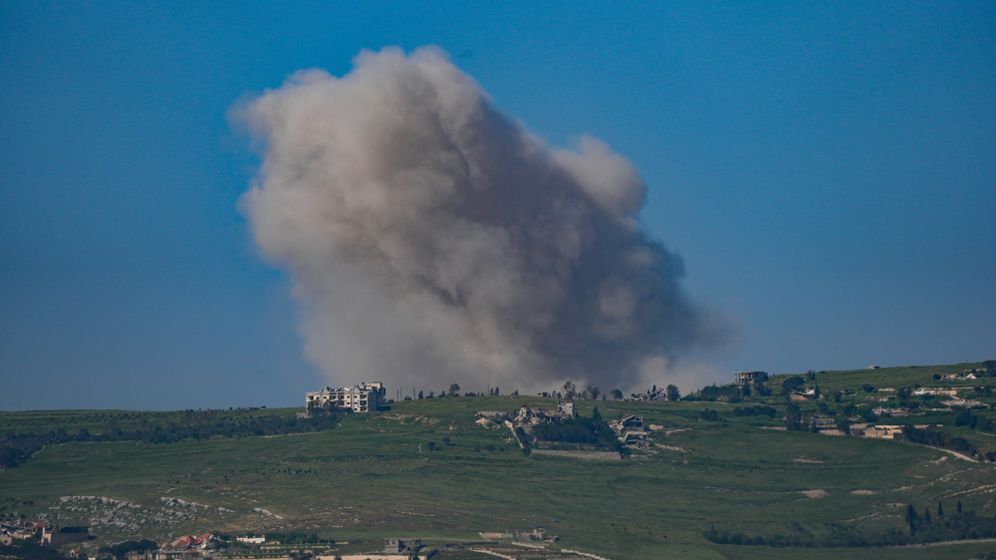
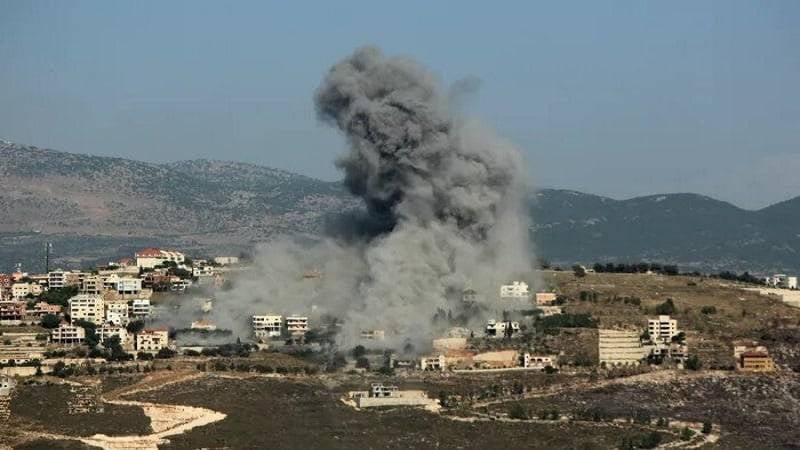
Three Israeli reservists sustained wounds on Saturday after explosive drones targeted the Shlomi area, located near the Lebanese border. The incident marked a significant escalation in cross-border hostilities. One reservist was seriously wounded in the incident, requiring immediate medical attention. Additionally, a reserve officer and another fighter suffered moderate injuries, according to reports from the region. The attack occurred amid escalating tensions in the region, which have seen frequent exchanges of fire along the frontier. The explosive drones specifically targeted the Shlomi area, a community situated in close proximity to the Lebanese border, noting the direct threat posed to Israeli civilian and military personnel in the vicinity. Separately, there were reports of a strike in the village of Qaliya, situated in western Bekaa, Lebanon, indicating a broader scope of operations extending beyond the immediate border zone.
Hezbollah Drone Attacks
In one specific engagement, a drone launched by Hezbollah struck an engineering vehicle, causing damage. This targeting of military equipment shows the precise nature of some of the attacks carried out by the Lebanese militant group. The Israeli Air Force, responding to the ongoing threats, intercepted several projectiles fired by Hezbollah targeting Israeli forces. These interceptions are a critical component of Israel's defensive strategy to protect its troops and infrastructure. On the day of the attacks, the air force conducted at least two strikes beyond the yellow line, an unofficial demarcation in southern Lebanon. These actions suggest a proactive approach by the Israeli military, extending its operations into Lebanese territory to counter perceived threats. The yellow line serves as a loosely defined boundary, and operations beyond it often signal an intensification of military activity.
Lebanese Casualties and Strikes
The recent escalation has also led to significant casualties on the Lebanese side. Lebanon’s Health Ministry reported that seven people were killed in a strike in the village of Saksakiyeh, located between the coastal cities of Tyre and Sidon. This incident points to strikes occurring deeper within Lebanese territory, away from the immediate border. Another strike in Burj Rahal resulted in the deaths of three individuals, further adding to the civilian toll. Additionally, reports emerged of a strike targeting a vehicle near the village of Saadiyat. This particular incident occurred on the Beirut-Sidon highway, approximately 20 kilometers south of Beirut, indicating that strikes are not confined to southern Lebanon but are extending further north, impacting major transportation routes and areas closer to the capital. The targeting of a vehicle on a main highway suggests a deliberate and broad operation.
Broader Context and US Stance
Amidst the escalating military activity, diplomatic efforts are also underway. The third round of Israel-Lebanon negotiations is scheduled to commence on Thursday, May 14. These discussions represent an ongoing attempt to de-escalate tensions and address long-standing disputes between the two nations. The U.S. State Department indicated that these discussions would build upon the previous round held on April 23, which was led by President Trump. The continuity of these talks, despite leadership changes, notes the enduring nature of the issues at stake and the international community's commitment to finding a resolution. These statements from the U.S. Came three days after the killing of the commander of Hezbollah’s Radwan force in Beirut’s Dahiyeh district, an event that significantly heightened regional tensions. The upcoming negotiations, therefore, are set against a backdrop of recent violence and aim to address ongoing issues between the two nations, with U.S. Involvement showing the diplomatic efforts in the region to prevent further escalation and foster stability.
Hezbollah's New Phase
Hezbollah, a prominent political party and militant group in Lebanon, launched explosive drones at forces operating in southern Lebanon. This tactic represents an evolving strategy in their engagements, utilizing advanced unmanned aerial vehicles to target Israeli positions. The use of explosive drones adds another layer of complexity to the conflict, posing new challenges for defensive systems. The U.S. Designates Hezbollah as a foreign terrorist organization, a classification that reflects international concerns about its activities and its role in regional instability. The intensified use of such weaponry by Hezbollah marks a significant phase in the ongoing confrontations, demonstrating a willingness to deploy more sophisticated means in its operations against Israeli forces.