The United States is convening diplomatic talks next week in Washington, D.C. Aiming to secure a ceasefire between Israel and Lebanon, with trilateral negotiations scheduled for May 14 and May 15. A State Department official confirmed on Friday that representatives from both sides will meet at the department. Multiple diplomatic sources indicated that President Trump had been informed the ceasefire, announced Thursday, would encompass the Middle East region, specifically including Lebanon. Mediators believed Lebanon was part of the agreement, and Pakistani Prime Minister Shehbaz Sharif announced its inclusion. A White House official also told CBS News that Israel had agreed to the terms of the deal brokered by Pakistan. Reports indicated that on Thursday, Benjamin Netanyahu stated he had allowed Israeli diplomats to accept the Lebanese government's request for these discussions.
Goals of Diplomatic Push
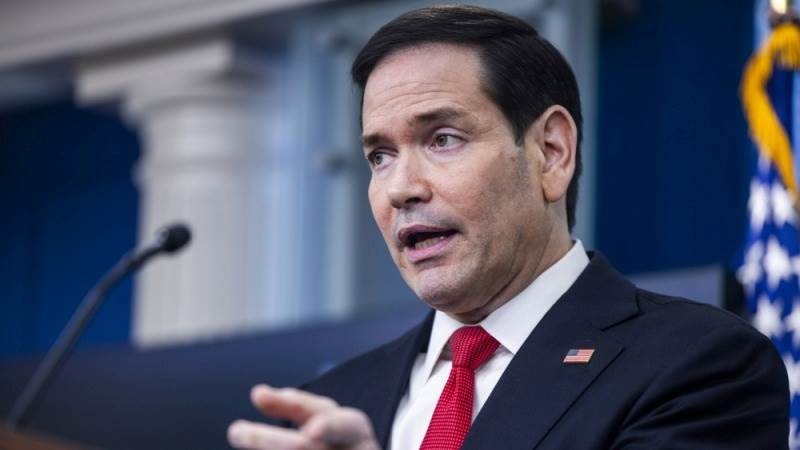
The diplomatic agenda includes detailed discussions aimed at advancing a full peace and security agreement. A US State Department statement indicated that "Both delegations will engage in detailed discussions aimed at advancing a full peace and security agreement." The stated goals of the negotiations are "full restoration of Lebanese sovereignty throughout its territory, the delineation of borders, and creating concrete pathways for humanitarian relief and reconstruction in Lebanon," according to the US State Department. Reports also indicated the US urged "complete disarmament" of the Lebanese militant group Hezbollah. Senator Marco Rubio's office is planning the three-way talks, which will be led by U.S. Ambassador to Lebanon Michel Issa, alongside Lebanese Ambassador Nada Hamadeh Moawad and Israeli Ambassador Yechiel Leiter. Reports also noted an American desire to see Israel scale back its offensive in Lebanon.
Background to Negotiations
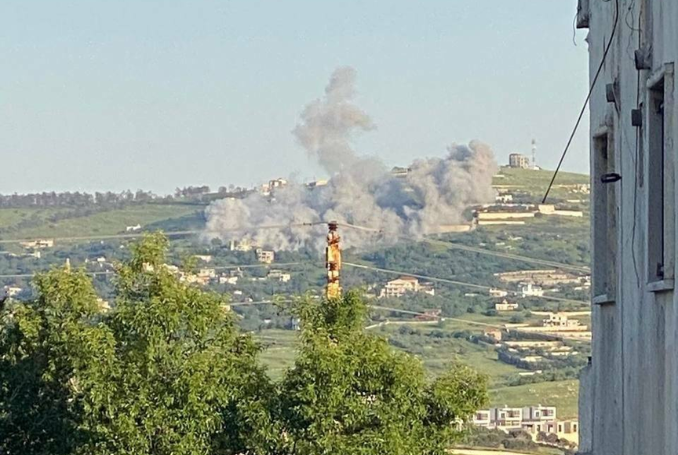
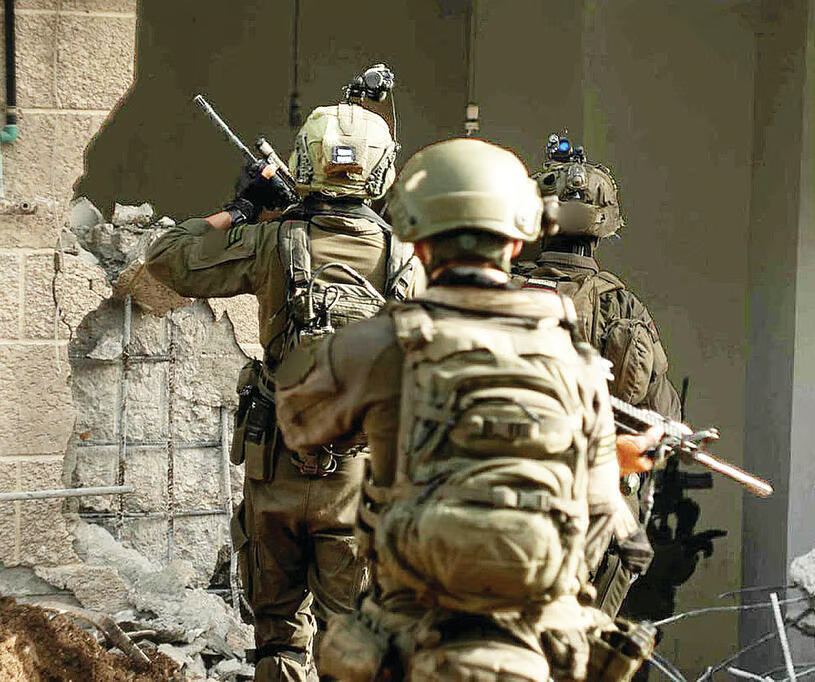
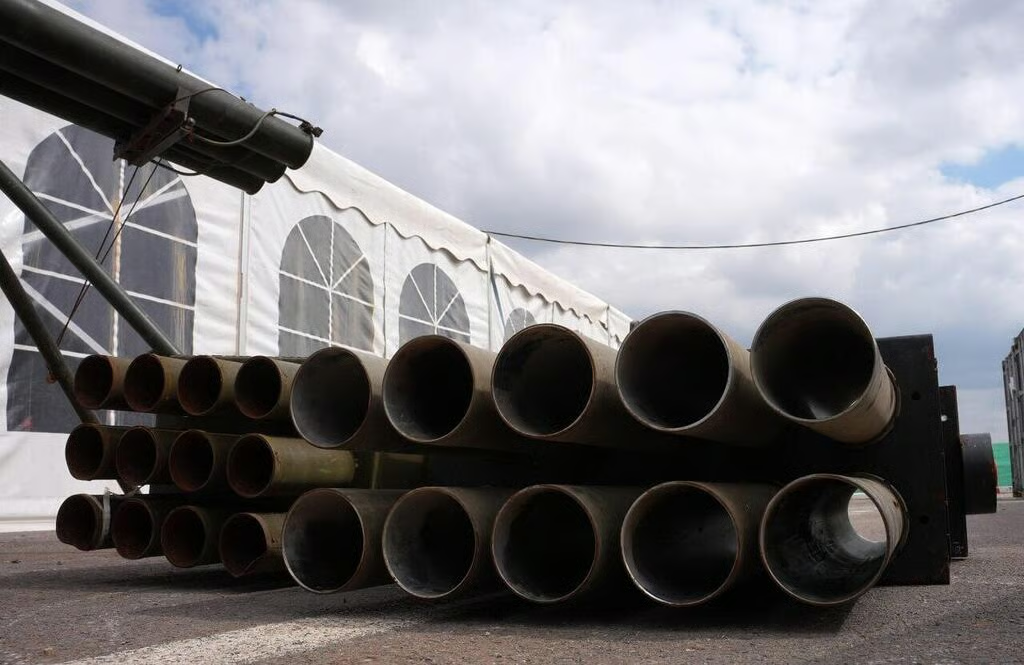
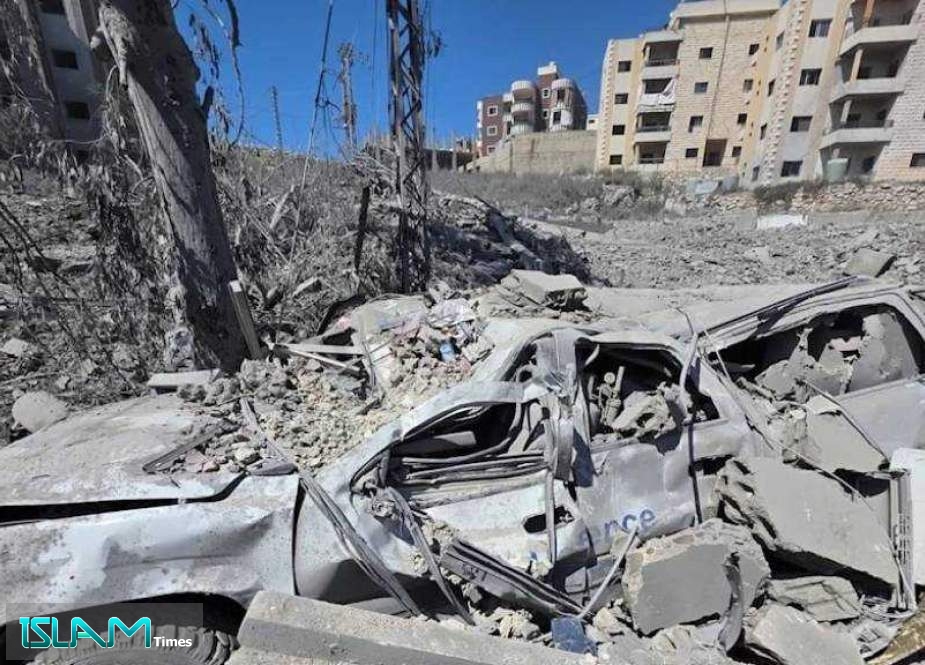
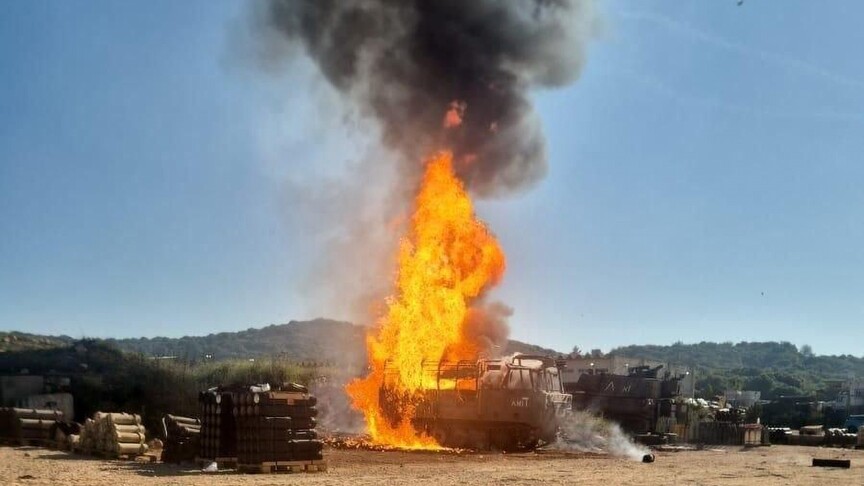
Israeli troops have conducted airstrikes against Iranian-backed Hezbollah targets, operations that have also resulted in Lebanese civilian casualties. This escalation followed Hezbollah firing rockets into Israel in a show of solidarity with Tehran, shortly after Israel and the U.S. Initiated conflict with Iran. Subsequently, Israel launched a new offensive against Hezbollah, invading significant portions of southern Lebanon. Lebanon has emerged as one of the most challenging issues complicating the nascent diplomatic efforts with the U.S. And Iran. The U.S. Position on these matters shifted after a phone call between Israeli Prime Minister Benjamin Netanyahu and U.S. President Donald Trump. Senator JD Vance was the most senior U.S. Official to meet with Omani mediators who had unsuccessfully attempted to broker a deal to prevent the U.S. And Israeli strikes that began the conflict on February 28.
Disagreements and Diplomacy
An earlier report from The Times of Israel claimed the upcoming talks would be at the ambassador-level and would, for the first time, include military officials. Iran's Foreign Minister Abbas Araghchi accused the U.S. Of allowing Israeli Prime Minister Benjamin Netanyahu to undermine diplomacy. Vice President JD Vance told reporters on Wednesday there was a "legitimate misunderstanding" regarding the ceasefire terms, but he attributed the misunderstanding to Iranians, stating they needed to "check themselves a little bit in Lebanon." Vance did not provide specifics and insisted there is currently no ceasefire in Lebanon. U.S. Special envoy Steve Witkoff and Trump son-in-law Jared Kushner had previously led two rounds of diplomacy with Iran in the past 10 months, but these efforts were cut short by U.S. Military action. Multiple diplomatic sources informed CBS News that Iran welcomed Vance's involvement specifically due to their distrust of Witkoff and Kushner. Two sources told CBS News it was Witkoff's idea to involve the vice president.