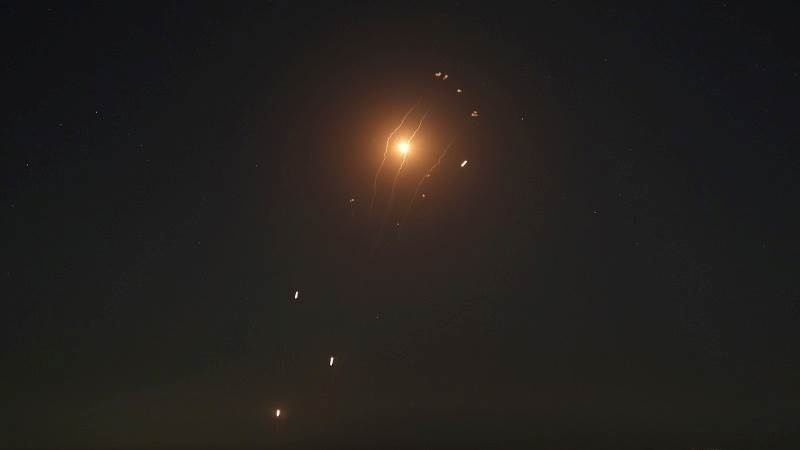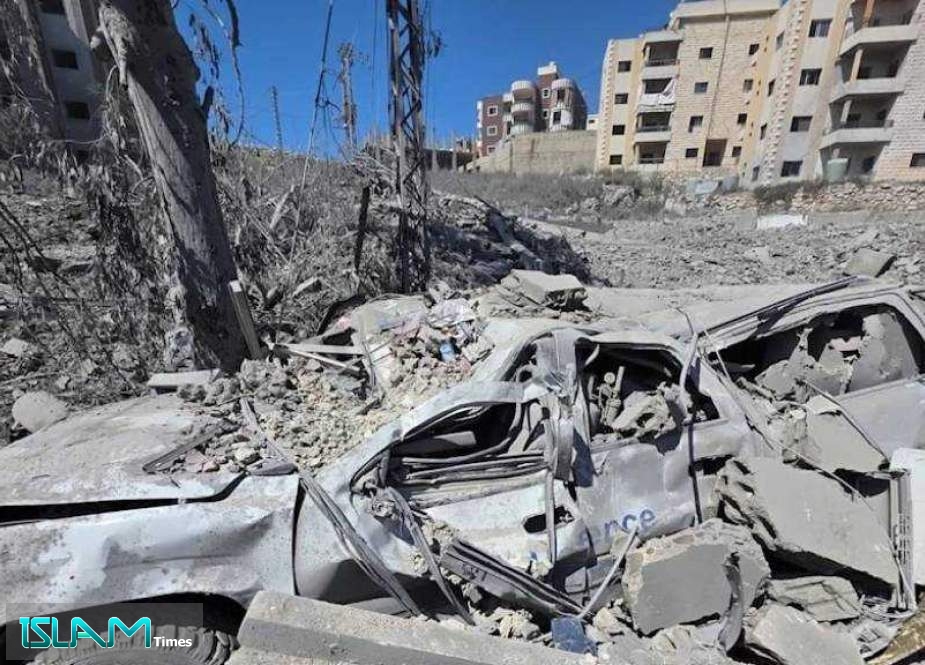
Israeli occupation forces launched airstrikes and artillery fire across southern Lebanon on Friday, May 8, 2026. The widespread military operations targeted numerous locations, extending across various districts and towns. Reports indicated that these operations included targets in several towns and claimed lives, marking a significant escalation in the region. The strikes, which unfolded rapidly within a span of mere minutes, affected both civilian areas and critical infrastructure.
Earlier in the day, an Israeli airstrike on a vehicle near Habouch reportedly claimed two people, according to initial reports from the ground. This incident noted the immediate danger posed by the ongoing aerial assaults. In a separate but related incident, another Israeli airstrike near the town of Maifadoun claimed one citizen, further contributing to the day's casualty count. These early morning strikes set a grim tone for the day, as military activity intensified across the southern Lebanese landscape.
Further strikes throughout the day prompted ambulance crews to respond to a hospital perimeter, a critical and often dangerous task in conflict zones. According to reports, Israeli occupation forces then targeted these crews, a grave development that drew immediate concern from humanitarian organizations. This deliberate targeting resulted in injuries to several paramedics from the ambulance service of the al-Risala Scouts Association, who were attempting to provide aid. The strikes occurred across southern Lebanon, affecting areas including the Nabatieh district, where medical facilities and personnel found themselves directly in the line of fire. These incidents show a troubling pattern of attacks on non-combatant medical personnel and infrastructure, which are protected under international law.
Widespread Attacks Across Lebanon
The Israeli occupation forces (IOF) executed a mass detonation in the southern city of Bint Jbeil, a move that resulted in the demolition of entire neighborhoods. This large-scale destruction has irrevocably altered the urban landscape of Bint Jbeil, displacing residents and causing extensive damage to homes and community structures. The operation in Bint Jbeil represents a significant and destructive military action, raising concerns about the scale of force being employed.
Adding to the day's events, an "Israeli" drone subsequently struck a motorcycle at the intersection leading to the town of Baraachit in the Nabatieh district. Such strikes on individual vehicles have become a recurring feature of the conflict, often resulting in immediate casualties. Another vehicle was targeted in the town of Hanaway, located in the Tyre district, further illustrating the broad geographical scope of the Israeli operations. Separately, a drone strike hit a motorcycle near the intersection of the town of Brayqaa, marking yet another instance of an aerial attack on a moving target. These drone strikes demonstrate the precision and widespread nature of the aerial surveillance and targeting capabilities deployed by the Israeli forces in southern Lebanon.
The IOF also launched airstrikes on multiple towns, extending their reach to populated areas. These included the towns of Jmaijmeh, Deir Kifa, and Harouf, all of which experienced the impact of aerial bombardment. The city of Nabatieh, a significant urban center, and the al-Maslakh neighborhood within the Nabatieh area were also subjected to these airstrikes, causing fear and disruption among residents. In addition to aerial bombardments, artillery shelling was reported against the towns of Baraachit, Habouch, Deir al-Zahrani, and Kfour. The combination of airstrikes and artillery fire indicates a full and sustained assault across various fronts in southern Lebanon.
Further strikes hit Debbin in the Marj’youn district, adding another location to the growing list of affected areas. Additionally, "Israeli" warplanes carried out strikes on several other towns in southern Lebanon, including Zawtar al-Sharqiya, Zawtar al-Gharbiya, and Yuhmor al-Shaqif. These targeted strikes show the extensive reach of the Israeli air campaign. Additional attacks targeted the vicinity of a public school in Mayfadoun, raising concerns about the safety of educational facilities and civilian populations, and the al-Rihan heights, a strategically significant area. These incidents collectively describe a broad scope of military operations across southern Lebanon, impacting a wide array of communities and infrastructure. The continuous flow of reports throughout the day painted a picture of relentless military pressure on the region.
Targeting of Medical Personnel
A particularly alarming aspect of the day's events was the repeated targeting of medical facilities and personnel. An Israeli drone strike reportedly targeted the area surrounding the Sheikh Ragheb Harb Hospital in the town of Toul, located in the Nabatieh district. This strike on the vicinity of a major medical institution raises serious questions about the protection of healthcare facilities during conflict. Reports indicated that Israeli strikes targeted three different medical teams in southern Lebanon throughout the day, resulting in the tragic deaths of four medics and injuries to six others. These figures highlight the severe risks faced by healthcare workers attempting to fulfill their duties in the midst of hostilities.
In another concerning incident, an Israeli drone also reportedly targeted paramedics affiliated with the Islamic Health Authority in the town of Deir Kifa, wounding three medics. This specific attack on a known medical team further illustrates the perilous environment for humanitarian workers. The incidents involving the ambulances and other medical personnel occurred on Friday, April 17, 2026, according to photographic evidence, indicating that such attacks have been a recurring issue.
Separately, two ambulances slowed to a stop outside the village of Mayfadoun in southern Lebanon after arriving at the scene of an incident, prepared to render assistance. This occurred after Israel had reportedly attacked two other ambulances, hitting one and then subsequently striking the second vehicle after it arrived to assist the first. This pattern of a "double tap" strike, where a second attack targets responders to an initial incident, is particularly dangerous for emergency services. Mohammed Suleiman is identified as the chief paramedic of the Nabatiyeh Emergency Services, a testament to the dedication of individuals working under extreme duress in the region. The repeated targeting of medical teams and vehicles, despite their protected status under international humanitarian law, represents a grave concern for aid organizations and human rights advocates. These actions not only endanger lives but also severely impede the ability to provide critical medical care to those affected by the ongoing violence.
Previous Day's Casualties
The preceding days also saw significant casualties as a result of the ongoing military operations. Lebanon's Health Ministry reported three individuals martyred and seven injured in a strike on Ansariya, according to reports. This incident occurred amidst ongoing military operations in the region, adding to the cumulative human cost of the conflict. The Ministry's report on Ansariya detailed the immediate aftermath, including the number of fatalities and wounded.
Separately, an Israeli airstrike on Wednesday targeted the town of Zellaya in western Bekaa, resulting in the martyrdom of four people. The casualties included two women and an elderly man, noting the impact on vulnerable civilian populations. Additionally, five others were wounded in the same strike, among them a child and three women, according to information provided by the Emergency Operations Center of Lebanon’s Ministry of Public Health. The strike on Zellaya, a town in a different region, indicates the broader geographical scope of the Israeli military's operations beyond the immediate southern border area. The Ministry's report on the Zellaya incident detailed the impact on the local population, providing key data on the civilian toll. These incidents show the human cost of the continuing conflict in southern Lebanon and its adjacent areas, with both civilian and medical personnel disproportionately affected by the strikes. The detailed reports from Lebanon's Health Ministry and its Emergency Operations Center offer a grim assessment of the situation, emphasizing the urgent need for de-escalation and protection of non-combatants.
Broader Context and Escalation
The incidents described, including the targeting of medical personnel and widespread strikes across southern Lebanon, occurred on Wednesday and Friday, May 8, 2026. The strikes unfolded rapidly, with multiple targets hit within a span of mere minutes, indicating a coordinated and intensive military campaign. The publication date of this report is Friday 8 May 2026 - 00:55, reflecting the immediate reporting of these unfolding events. The continuous nature of these operations, spanning multiple days and involving various types of targets from vehicles to entire neighborhoods, points to a significant escalation in the conflict. The repeated targeting of medical infrastructure and personnel, despite international humanitarian law, raises serious alarms about the conduct of hostilities and the protection of civilians and aid workers. The cumulative impact of these strikes on towns and cities, combined with the loss of life and injury to civilians and medics, paints a stark picture of the deteriorating humanitarian situation in southern Lebanon.