Seven Israeli soldiers sustained injuries in southern Lebanon over the past 24 hours due to explosive-laden first-person-view (FPV) drones launched by Hezbollah. The drone attacks follow heightened tensions in the region, marking a significant escalation in cross-border hostilities. An Israeli official confirmed that Malek Balout and several other Hezbollah terrorists were killed in a recent strike in Beirut, a development that shows the ongoing military engagement between Israel and the Iran-backed militant group. The official’s statement comes amid ongoing military actions targeting the group, which has seen a continuous exchange of fire along the northern border.
Recent Drone Attacks Detailed
Overnight, an explosive-laden first-person-view (FPV) drone in southern Lebanon seriously wounded one Israeli soldier and lightly wounded three others. The incident notes the persistent threat posed by Hezbollah's advanced drone capabilities. The wounded soldiers were subsequently evacuated to a hospital for medical treatment, and their families were notified of their condition, a standard procedure following such incidents. This particular attack adds to a series of drone incursions that have targeted Israeli military positions and communities near the border.
The previous day, three additional soldiers sustained injuries in another Hezbollah drone attack, further illustrating the intensity of the confrontation. In that incident, one soldier was reported to be seriously wounded, one moderately, and one lightly, requiring varying degrees of medical attention. These drone attacks, utilizing FPV technology, allow for precise targeting and have proven to be a challenging threat for Israeli forces operating in the area. The use of such drones represents a tactical shift in the ongoing conflict, enabling Hezbollah to conduct more sophisticated and damaging assaults.
At 12:48 a.m. Sirens sounded in Kiryat Shmona, a major Israeli city in the Galilee Panhandle, due to a suspected drone infiltration originating from Lebanon. The activation of sirens prompted residents to seek shelter, disrupting the early morning hours. In response to the incursion, the Israel Defense Forces (IDF) air force intercepted a "suspicious aerial target" that had been launched from Lebanese territory, preventing a potential impact. Following this interception, rocket and missile sirens were activated in nearby communities such as Manara and Margaliot, prompted by concerns regarding falling interceptor fragments. These fragments, while not directly targeted, can still pose a danger to civilians and infrastructure on the ground. The repeated activation of sirens and interceptions shows the volatile security situation along the border, where Israeli air defenses remain on high alert for aerial threats.
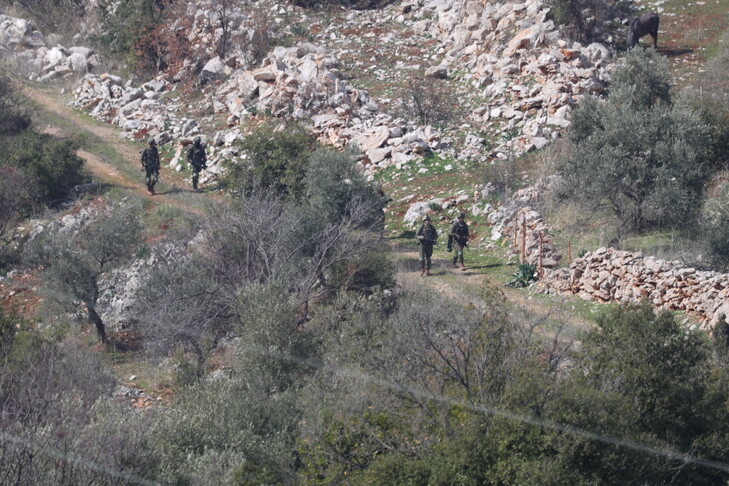
IDF Chief of Staff Lt. Gen. Eyal Zamir visited the village of Khiam in southern Lebanon on Wednesday, conducting an operational tour of the northern sector. Speaking during his visit, Lt. Gen. Zamir stated, "IDF troops under the Northern Command continue to operate to carry out the mission of defending the communities, removing all types of threats and deepening the dismantling of Hezbollah." His remarks emphasized the strategic objectives of the IDF in the region, which include protecting Israeli civilians and degrading Hezbollah's operational capabilities. He further instructed troops, "Your mission is to remove every threat to our communities and to our soldiers. All of the IDF’s capabilities are at your disposal. Continue the mission to locate the enemy in the area and dismantle terror infrastructure.” This directive notes the full approach the IDF is taking to counter Hezbollah's presence and activities near the border, utilizing all available resources to achieve their goals.
Beirut Strike and Hezbollah Response
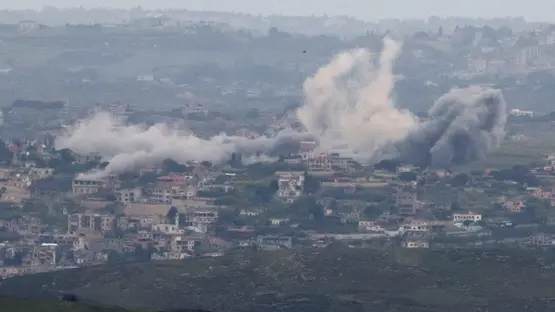
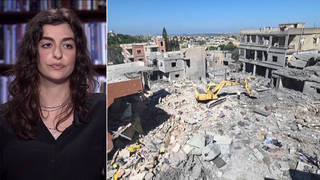
The Israeli Air Force conducted a strike in Beirut’s Dahieh district on Wednesday night, a stronghold of Hezbollah, targeting Malek Balout. Balout is identified as a commander of Hezbollah’s elite Radwan force, a specialized unit known for its offensive capabilities. An Israeli official stated that Balout and several other Hezbollah terrorists were killed in the Beirut strike, indicating a significant blow to the group's command structure. Balout had assumed command of the Radwan force in January 2024, succeeding Wissam al-Tawil, another senior commander who was previously targeted. The targeting of such a high-ranking figure in Beirut marks a notable escalation in Israel's operations against Hezbollah.
An Israeli official stated that the strike on the Radwan commander was coordinated with the Americans, suggesting a level of diplomatic and strategic alignment in addressing the threat posed by Hezbollah. The Israeli official’s comment came amidst ongoing military actions targeting Hezbollah, which have intensified in recent months. This coordination shows the international dimension of the conflict and the efforts to manage regional tensions. The strike in Dahieh, a densely populated area, also raises concerns about potential civilian casualties and the broader implications for regional stability.
In a separate development, IDF Chief of Staff Lt. Gen. Eyal Zamir toured a Hezbollah tunnel that extended approximately 25 meters (82 feet) underground. This tour followed Zamir's visit to the village of Khiam in southern Lebanon earlier in the week, where he inspected IDF preparations and spoke with troops. The discovery and inspection of such tunnels highlight Hezbollah's extensive subterranean infrastructure, designed for infiltration and combat operations. During his visit to Khiam, Lt. Gen. Zamir addressed troops, stating, “IDF troops under the Northern Command continue to operate to carry out the mission of defending the communities, removing all types of threats and deepening the dismantling of Hezbollah.” He further instructed the soldiers, emphasizing their operational directives to maintain vigilance and effectiveness. Lt. Gen. Zamir told them, “Your mission is to remove every threat to our communities and to our soldiers. All of the IDF’s capabilities are at your disposal. Continue the mission to locate the enemy in the area and dismantle terror infrastructure.” These statements reiterate the IDF's commitment to eradicating Hezbollah's military capabilities and securing Israel's northern border.
Broader Context and Diplomacy
The recent strike in Beirut marked the first instance of Israel targeting a senior Hezbollah figure since the ceasefire began and following the killing of the group's southern front commander in late March. This action signals a potential shift in the rules of engagement or a response to specific intelligence, despite ongoing efforts to de-escalate the broader conflict. The implications of such a high-profile strike in the Lebanese capital are significant, potentially leading to further retaliatory actions from Hezbollah and increasing regional instability.
Concurrently, information received by Israel indicates that Iran insisted on including a clause linking all fronts and halting fighting on each of them in an emerging agreement with the United States. This clause suggests Iran's strategic interest in ensuring a full de-escalation across various regional flashpoints where its proxies are involved. Washington reportedly agreed to this clause, despite it posing difficulties for Israel. For Israel, such a clause could complicate its ability to conduct targeted operations against groups like Hezbollah, as it might be constrained by a broader regional agreement. The reported agreement notes the complex diplomatic landscape and the intricate negotiations involved in managing the multi-front conflicts in the Middle East. It also shows the challenges Israel faces in pursuing its security objectives while navigating international diplomatic efforts. In the broader conflict, more than 2,000 Hezbollah terrorists have been struck and eliminated since the beginning of Operation Roaring Lion, according to Israeli figures, demonstrating the extensive scope and intensity of the military campaign against the organization.