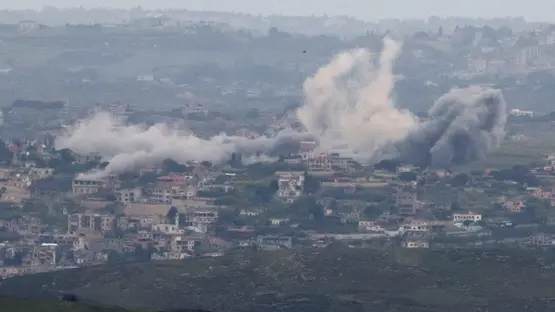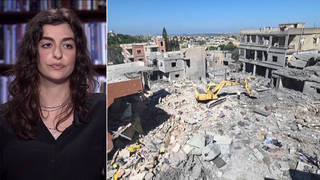
The Israeli military issued new evacuation orders on Wednesday for 12 towns and villages across southern Lebanon, triggering new displacements and prompting airstrikes in the region. These recent orders specifically targeted areas situated north of the Litani River, marking a significant expansion in the scope of operations and the number of communities affected. Airstrikes were reported in southern Lebanon following these evacuation orders, further intensifying the volatile situation. This development follows two exoduses from southern Lebanon since the conflict began, indicating a recurring pattern of mass displacement in the border region. Over the weekend, the destructive impact of the ongoing escalation was tragically evident, with a mosque and a school being destroyed. Further exacerbating the cultural and social toll, the Israeli military also destroyed a 100-year-old community center in the town of Dweir, a loss that resonates deeply within the local population and erases a piece of its historical and social fabric.
Escalating Conflict and Destruction
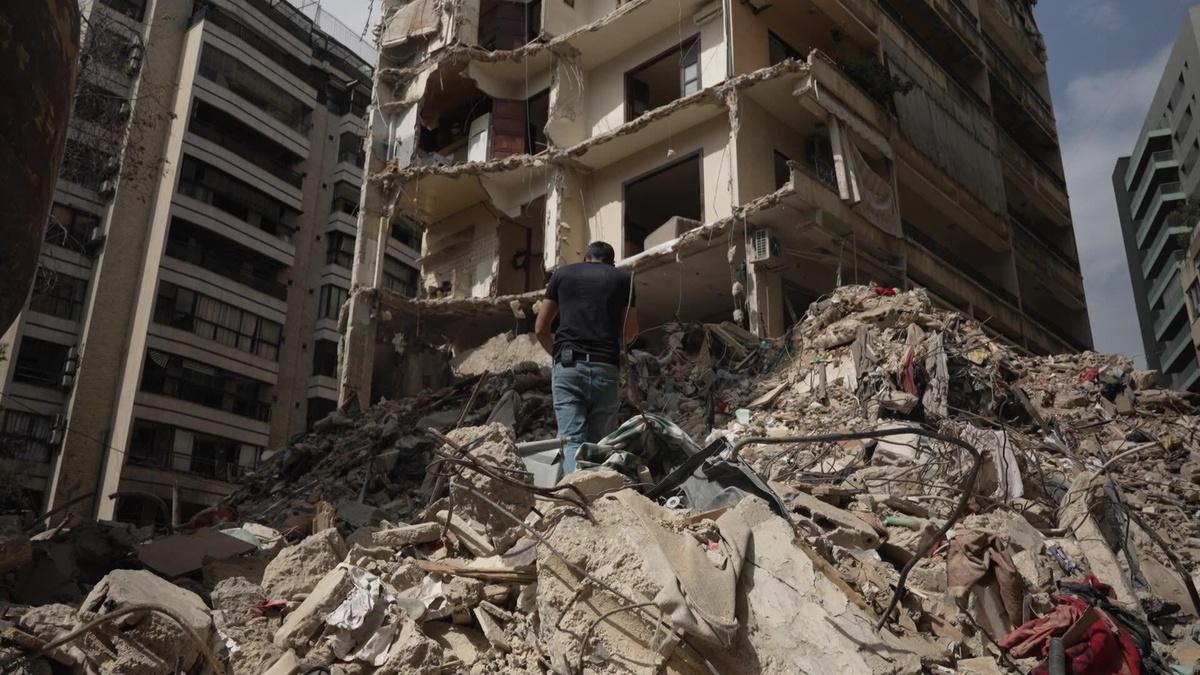
The evacuation orders issued by the Israeli military, particularly those targeting areas north of the Litani River, have significantly expanded the scope of displacement operations, compelling thousands more residents to abandon their homes. Reports from residents and local officials paint a grim picture, describing how entire villages in southern Lebanon have been reduced to "moonscapes" as a direct consequence of the relentless military actions. This term shows the extensive damage and desolation left in the wake of the conflict, with infrastructure and homes obliterated across the affected territories. The scale of destruction notes the severe impact on civilian life and the environment.
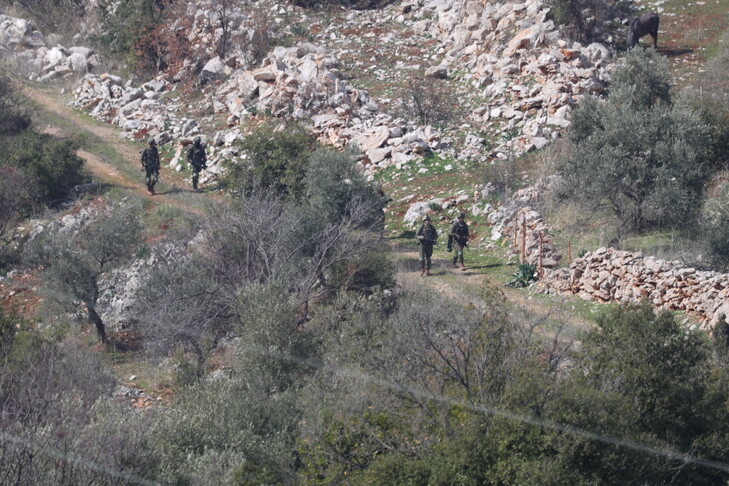
Further compounding the challenges for civilians, a new "yellow line" zone has been declared in southern Lebanon. This zone, extending approximately 6 miles (10 kilometers) into Lebanese territory, drastically restricts civilian movement and access. The establishment of this "yellow line" has rendered dozens of villages technically inaccessible, isolating communities and complicating humanitarian efforts. This strategic demarcation effectively creates a buffer area, but at a severe cost to the civilian population living within or near its boundaries, effectively cutting off essential services and lifelines.
The escalation of the conflict has not been confined solely to the immediate border region, with civilian casualties reported in areas further afield. In a particularly tragic incident, the home of the mayor in Zelaya, located in the western Beqaa Valley, was bombed. This attack resulted in the death of the mayor and four of his relatives, including women and children, according to harrowing reports from the area. Such incidents highlight the widespread and indiscriminate nature of the violence, reaching beyond the primary conflict zones. The Lebanese Health Ministry has reported a stark increase in the death toll, stating that over 2,600 people have been killed since March 2nd, a figure that shows the severe human cost of the ongoing hostilities and the devastating impact on communities across the country.
Humanitarian Crisis and Displacement
The current conflict has triggered a profound humanitarian crisis, leading to the displacement of more than 1 million Lebanese from their homes. This staggering number represents nearly one-fifth of Lebanon’s total population, illustrating the immense scale of the crisis and the widespread disruption to daily life. The rate of displacement accelerated dramatically after March 2nd, with 1.2 million people forced from their residences since that date alone, indicating a concentrated period of intense military activity and subsequent civilian flight. This rapid exodus has placed immense strain on resources and infrastructure in areas hosting the displaced.
The establishment of the new "yellow line" zone in southern Lebanon has exacerbated the humanitarian situation by rendering dozens of villages technically inaccessible. This zone, which extends approximately 6 miles (10 kilometers) into Lebanese territory, severely restricts movement and access not only for residents attempting to return or flee but also for key aid organizations seeking to provide assistance. The inaccessibility of these areas complicates relief efforts and leaves vulnerable populations without adequate support, raising concerns about their well-being and access to basic necessities.
The dangers of reporting on the conflict have also been tragically showed. Amal Khalil, a dedicated journalist, was killed near Bint Jbeil while bravely reporting on demolition operations in the area. Her death serves as a stark reminder of the extreme risks faced by those attempting to document the realities of the conflict and bring information to the world, noting the perils journalists encounter in conflict zones.
The humanitarian situation is further compounded by reports that the Red Cross has been barred from reaching victims of Israeli violence. This restriction on access for a neutral humanitarian organization raises serious concerns about the welfare of those injured or trapped in conflict zones, potentially hindering life-saving aid and medical attention and violating principles of humanitarian access.
Geopolitical Standoff and Context
A fragile temporary ceasefire between Israel and Hezbollah was initially agreed upon in mid-April. While this ceasefire has since been extended, fighting has regrettably continued in the region, albeit at a reduced scale. The persistence of hostilities, even under a ceasefire, notes the deep-seated tensions and the challenges of achieving lasting peace and stability in the border region.
The geopolitical dimensions of the conflict are complex, with Iran playing a significant role. Tehran insists that Lebanon must be included in any deal to end the wider conflict, a condition that the United States firmly rejects. This disagreement shows the broader regional power dynamics at play and the difficulty in isolating the Lebanese-Israeli conflict from other regional flashpoints, indicating a wider struggle for influence.
The ongoing conflict and the establishment of restricted areas like the "yellow line" zone are not entirely unprecedented in the region. A similar situation exists in the Gaza Strip, where sixty percent of the territory is currently enveloped in a "yellow line" zone, mirroring the restrictive measures recently declared in southern Lebanon. This parallel illustrates a troubling pattern of territorial control and civilian restriction in areas of conflict, impacting large civilian populations.
Historically, the region has been marked by prolonged periods of occupation and conflict. Israel occupied southern Lebanon for 18 years, with liberation from this occupation occurring in 2000. This historical context deeply influences current perceptions and actions, shaping the narrative of resistance and sovereignty. Lebanon was declared an enemy state by Israel after 2000, and Lebanese law strictly prohibits speaking to Israelis, reflecting enduring animosity and a lack of official relations that continues to define their interactions. According to regional observers, Lebanon is currently negotiating under fire and from an extremely weak position, a testament to the immense pressures it faces on multiple fronts, both internally and externally.
Official Statements and Reactions
The intensity of the conflict has been punctuated by periods of severe violence, even within the framework of the extended ceasefire. Israeli strikes killed 17 people on Monday, marking one of the deadliest days since the ceasefire began. This followed a weekend in which 60 people were killed in separate incidents, indicating a significant escalation in casualties over a short period. A particularly devastating sequence of events unfolded after Iran announced its insistence on Lebanon's inclusion in a ceasefire deal. Following this announcement, Israel reportedly bombed over 100 locations across Lebanon within a mere 10 minutes, resulting in the deaths of over 350 people, a staggering loss of life that profoundly impacted the nation and drew international condemnation.
Amidst the ongoing violence, the Lebanese government is signaling a commitment to disarming Hezbollah, a move that could significantly alter the internal political landscape and its relationship with regional powers. This commitment comes as Israel reports its own casualties from Hezbollah actions, stating that 2 civilians and 17 soldiers have been killed by the group. These figures highlight the reciprocal nature of the violence and the human cost borne by both sides of the conflict, demonstrating the continuous cycle of attacks and retaliations. The complex interplay of internal Lebanese politics, regional demands, and ongoing military engagements continues to shape the volatile reality in southern Lebanon, with broad implications for its future stability.