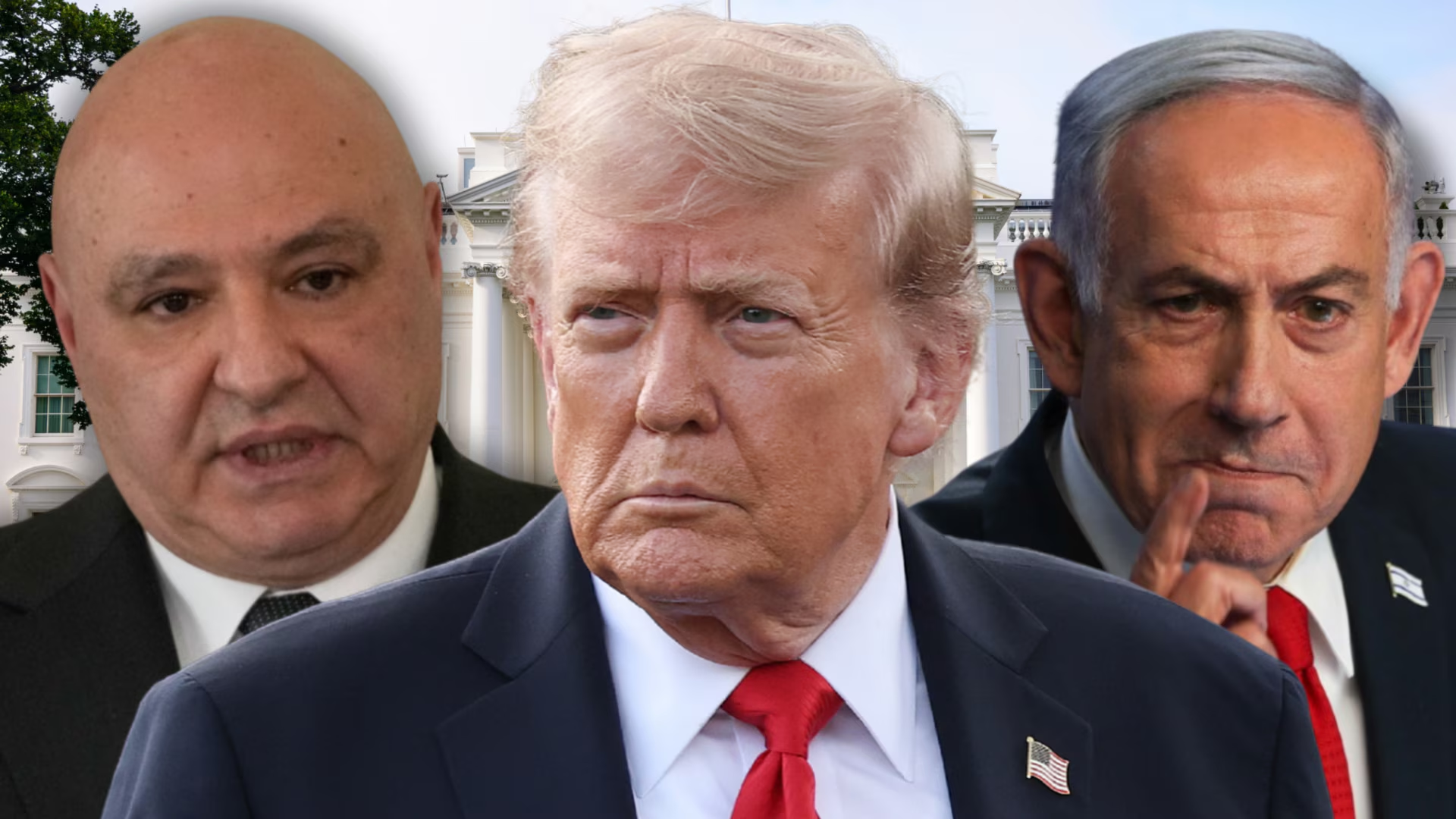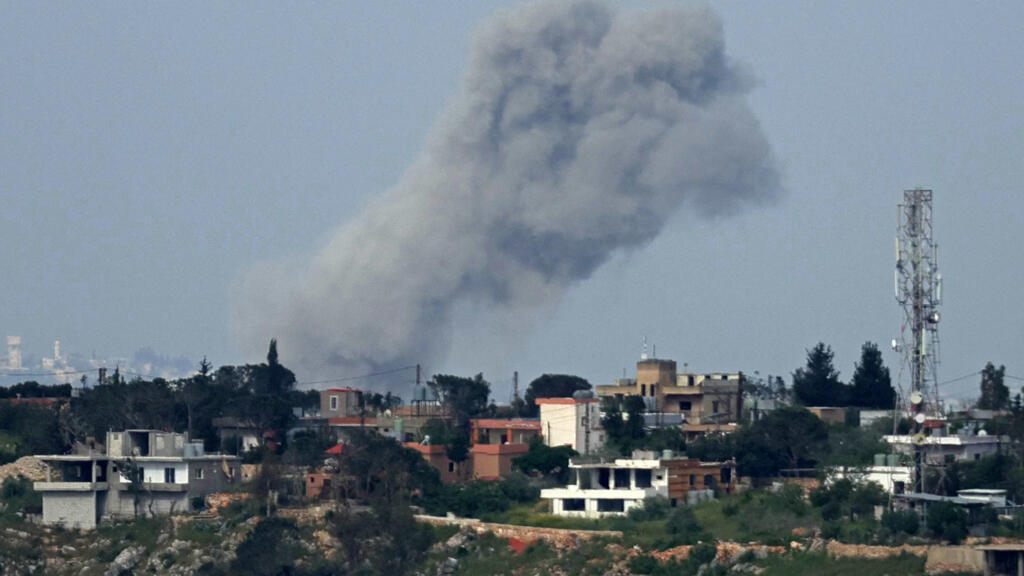
U.S. President Donald Trump reportedly seeks decisive, full agreements to resolve conflicts, a principle that may guide discussions when Lebanese President Joseph Aoun visits Washington. According to Hussain Abdul-Hussain, a Research Fellow, President Aoun should be presented with a detailed Lebanon-Israel peace plan during his visit. Abdul-Hussain stated, "U.S. President Donald Trump operates on the opposite principle. The author of _The Art of the Deal_ seeks decisive, full agreements that resolve conflicts once and for all. That is why, when Lebanese President Joseph Aoun visits Washington, he should be presented with a detailed Lebanon-Israel peace plan." This approach contrasts sharply with previous, more incremental diplomatic efforts.
Abdul-Hussain emphasized that clarity must be critical in sponsoring potential peace between Lebanon and Israel. He added, "Whatever path Lebanon chooses, its people and leaders will bear the consequences. History will record that, like the Palestinians before them, the Lebanese were offered a chance to escape misery and build a prosperous, sovereign nation. If Lebanon lacks the courage to seize the opportunity, the responsibility for failure will rest on its shoulders." The Research Fellow showed that the gravity of this decision necessitates a clear and unambiguous presentation of the proposed terms.
The Proposed Peace Framework
Hussain Abdul-Hussain, a Research Fellow, stated that a potential "Deal of the Century for Lebanon" would encompass more than just security arrangements. This full proposal, he explained, must include not only security arrangements but also concrete economic incentives. Abdul-Hussain indicated that it must also include "concrete economic incentives: realistic projections of post-treaty foreign investment, a roster of committed international donors, and a clear roadmap for national revival." He emphasized that each component—security, sovereignty, economic incentives, and infrastructure—should be presented as an all-or-nothing offer. This integrated approach ensures that all critical aspects for national stability and prosperity are addressed simultaneously, leaving no room for partial acceptance or future renegotiation of individual elements. Each element—security, sovereignty, economic incentives, and infrastructure—must be packaged together as an all-or-nothing offer to prevent the piecemeal dismantling of the agreement.
Under this proposed grand bargain, the United States would assist Lebanon in the full disarmament of Hezbollah. Abdul-Hussain explained, "In return, Israel would return occupied territory and end its aerial policing of Lebanon." This reciprocal action would be a cornerstone of the agreement, addressing key security concerns for both nations. He added that if Israel suspected any threat from Lebanon, its military would be expected to contact its Lebanese counterpart to resolve the issue jointly, fostering a new era of cooperation and trust. This mechanism would replace unilateral actions with coordinated responses, ensuring stability along the border. Following the permanent demarcation of the border and the cessation of Israeli operations, Washington would then oversee a transparent economic reconstruction program. This oversight would be key to ensure funds are used effectively and to build international confidence in Lebanon's future.
The Research Fellow outlined that Lebanon’s revival would necessitate the privatization of failing state monopolies, specifically mentioning Electricité du Liban and regional water authorities. These reforms are critical for fostering economic efficiency and attracting much-needed investment. Abdul-Hussain also stated, "It should also attract investment to rebuild the country’s crumbling infrastructure, replacing dilapidated roads with a modern network and developing revenue-generating projects such as a world-class airport capable of handling tens of millions of passengers annually." Such infrastructure development is essential for Lebanon to re-establish itself as a regional hub for trade and tourism. He further noted that "Peace with Israel would also restore lucrative direct flights between Lebanon and North America." This east–west air corridor is currently dominated by carriers from the UAE, Qatar, and Turkey, noting a significant economic opportunity for Lebanon to reclaim its historical position as a gateway.
Historical Precedents and Lessons
Hussain Abdul-Hussain, a Research Fellow, stated that historical patterns suggest certain actors do not seek definitive resolutions. "Iran, Hezbollah, and Hamas do not end wars; they only pause them," Abdul-Hussain said. He added, "They make limited concessions to secure a ceasefire, only to exploit the fragile status quo to rearm and prepare for the next round. This is why they shun direct negotiations, whether between Lebanon and Israel or the U.S. And Iran, preferring instead to haggle over irrelevant details while buying time." This historical observation underlines the necessity of a full, all-or-nothing approach rather than incremental steps. Abdul-Hussain emphasized that for Lebanon, clarity and public disclosure are key for any future peace efforts. "The lesson for Lebanon is clear: the details of any peace plan must be made fully public from the outset," he explained. Transparency, he noted, would ensure accountability, stating, "Transparency places the burden of success or failure squarely on Beirut. If Israel approaches in good faith and America offers its full backing to restore Lebanese land, sovereignty, and past glory, only Lebanon’s refusal would explain continued conflict."
Previous attempts at incremental approaches have consistently failed, according to Abdul-Hussain. He noted that scenarios where Israel ceased operations and returned land in exchange for a truce and unspecified future Hezbollah disarmament, along with vague reforms, have been tried repeatedly without success. Incremental approaches, where Israel halts operations and returns land in exchange for a truce and mere promises of future Hezbollah disarmament and vague reforms, have been tried repeatedly and have always failed. These past failures show the need for a decisive and full solution. Abdul-Hussain also observed that segments of Lebanon’s intellectual and political elite frequently align with Western anti-Israel ideology and Third World internationalism. This ideological alignment has historically complicated efforts to achieve lasting peace. Historically, significant peace proposals have faced rejection. Israeli prime ministers Ehud Barak and Ehud Olmert previously offered the Palestinians a state encompassing 98 percent of the West Bank and Gaza, supplemented by land swaps for the remaining territory. However, both Yasser Arafat and Mahmoud Abbas refused to accept these offers from Barak and Olmert, illustrating a pattern of rejecting full peace proposals.
Lebanon's Defining Choice
U.S. President Donald Trump would present Lebanese President Joseph Aoun with a defining choice by extending a "Deal of the Century" during his visit, according to Hussain Abdul-Hussain, a Research Fellow. Abdul-Hussain stated, "By extending such a Deal of the Century to Aoun, Trump would present him with a defining choice." He explained that Lebanon would then have two primary paths. One option involves Lebanon accepting the full package, which could lead to a historic handshake between President Aoun and Israeli Prime Minister Benjamin Netanyahu. This acceptance would pave the way for a new era of stability, economic prosperity, and national revival for Lebanon. A historic handshake between Aoun and Israeli Prime Minister Benjamin Netanyahu would symbolize a profound shift in regional dynamics and open doors to unprecedented opportunities for cooperation and development.
Alternatively, Lebanon could reject the proposed offer. In this scenario, Abdul-Hussain said, "Alternatively, Lebanon could reject the offer, making any future Israeli military action against Hezbollah—and the resulting Lebanese suffering—the responsibility of Beirut, rather than Washington or Jerusalem." The Research Fellow also asserted that if Israel approaches in good faith and America offers its full backing to restore Lebanese land, sovereignty, and past glory, only Lebanon’s refusal would explain continued conflict. Abdul-Hussain emphasized that whatever path Lebanon chooses, its people and leaders will bear the consequences, and the choice will determine the nation's trajectory for generations to come. The decision would be a stark one, with profound implications for the Lebanese people and their future security and prosperity.