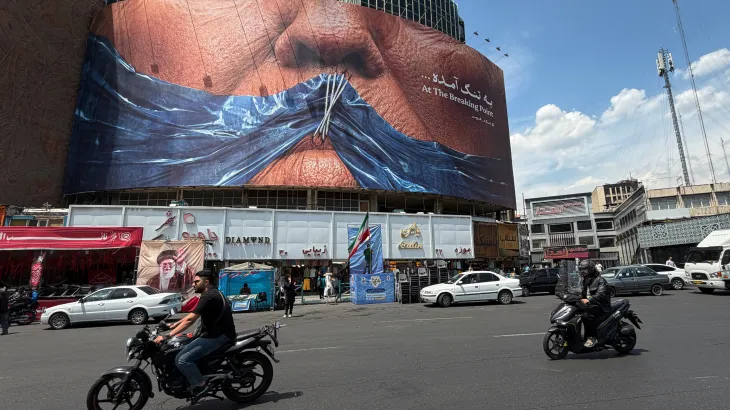
US President Donald Trump stated he would "soon be reviewing the plan Iran has just sent to us," though he expressed skepticism about reaching an agreement, explicitly noting that he does not think he can make a deal. Trump did not elaborate further on the contents of the Iranian proposal or the timeline for his review, leaving many details undisclosed. Meanwhile, the death toll in Lebanon has increased to 2,659 people since March 2, amidst ongoing conflict in the region that has seen sustained military operations and heightened tensions. This significant rise in casualties shows the severe impact of the protracted hostilities on the civilian population.
Iran's Diplomatic Overture
Iran has forwarded a full 14-point plan to the United States, which includes key calls for specific guarantees of non-aggression from the US. The proposal also advocates strongly for the lifting of a naval blockade that has impacted the region, and demands an end to the war "on all fronts," explicitly mentioning the conflict in Lebanon as a key area of concern. The detailed plan outlines Iran's conditions for de-escalation, focusing on security assurances and the cessation of hostilities across the region, aiming to establish a more stable environment. This diplomatic initiative from Tehran comes as the broader regional conflict continues to escalate, prompting international attention. The US President Donald Trump has acknowledged receipt of the plan, stating he will review it while expressing initial skepticism about its potential for success in leading to a lasting agreement.
Lebanon Conflict Intensifies
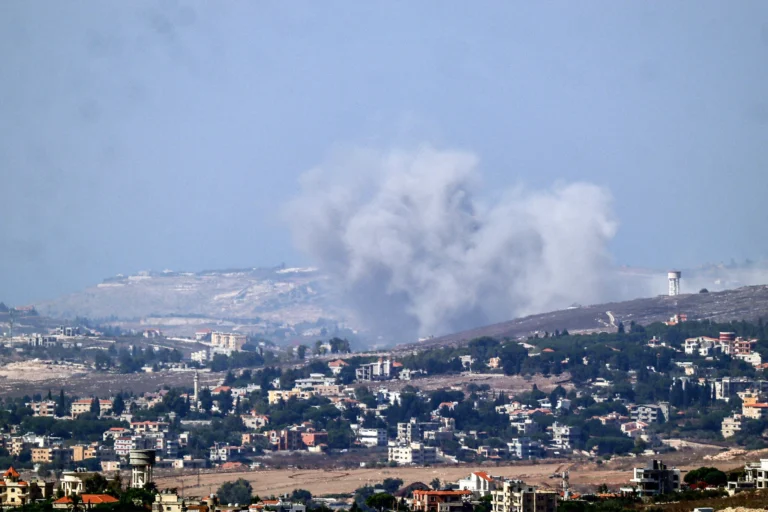
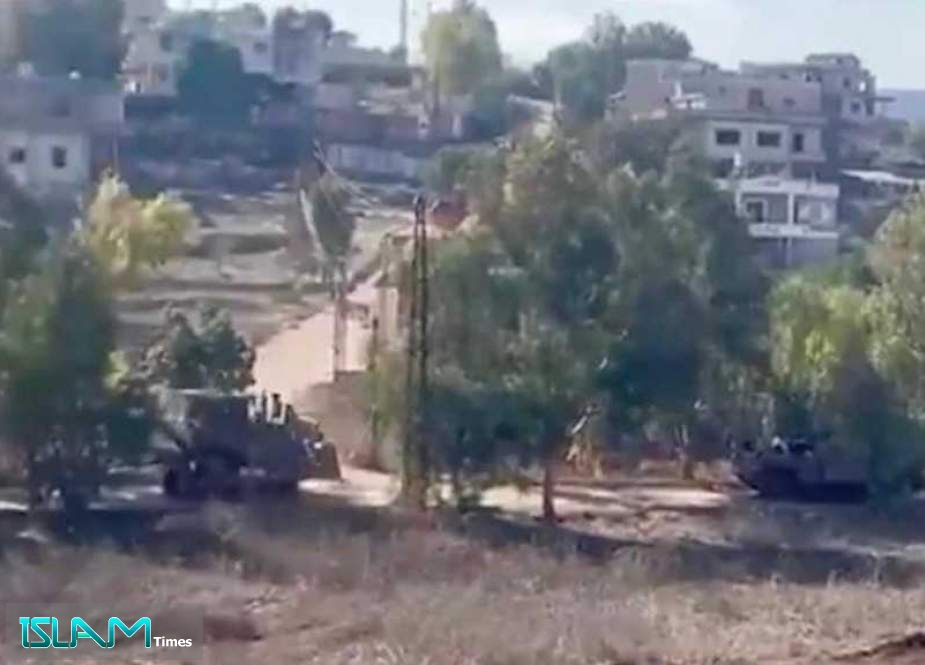
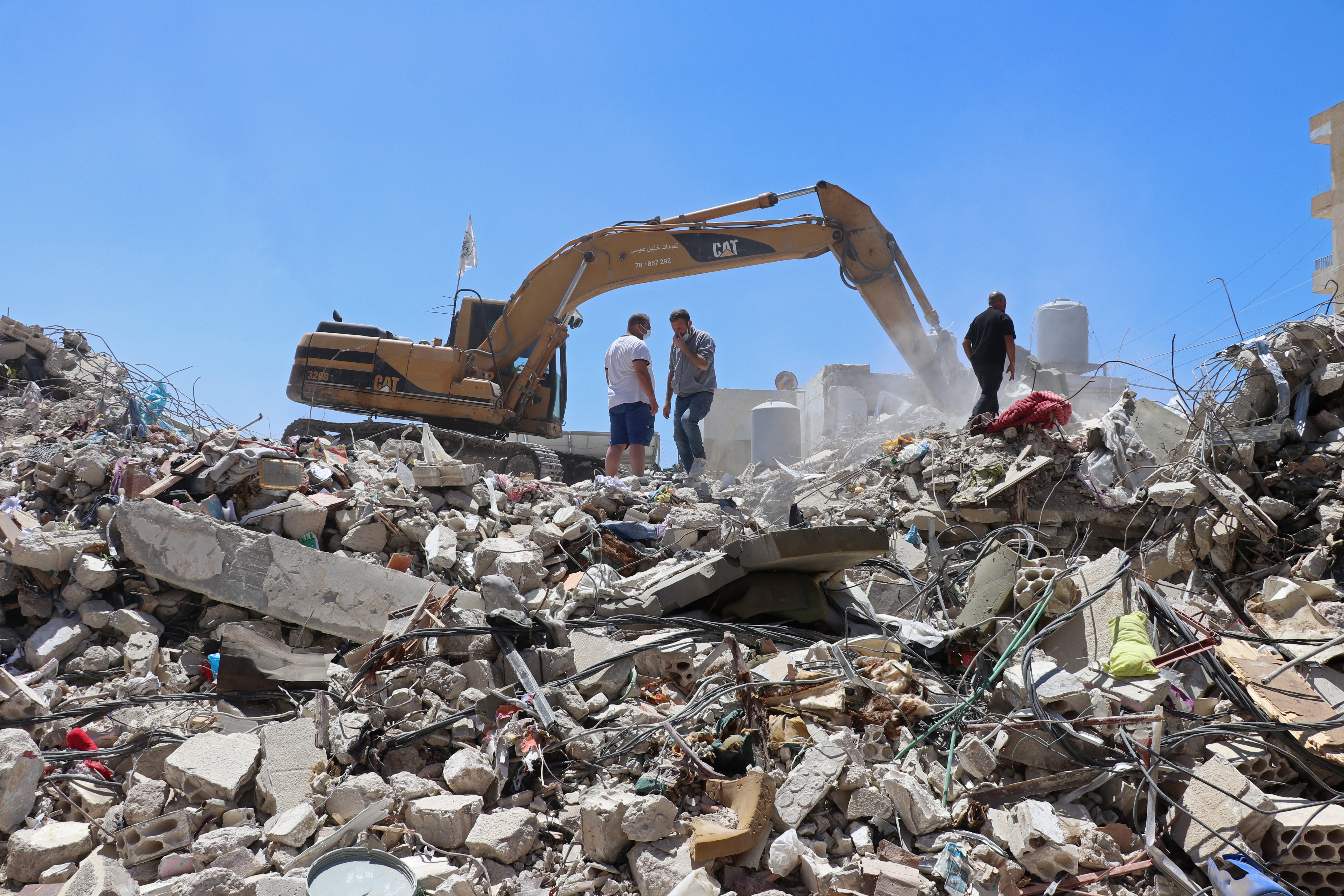
Israeli forces have continued their bombardment of Lebanon, resulting in the deaths of at least three people in the Tyre district. This latest incident adds to the growing casualty count and further exacerbates the humanitarian situation in the affected areas. The ongoing military operations have significantly escalated tensions in the southern part of the country, leading to widespread displacement and destruction. The relentless shelling has drawn international condemnation and calls for de-escalation from various global bodies.
Separately, Israel’s military acknowledged striking and damaging a Catholic "religious building" in southern Lebanon on Saturday. The admission by Israel's military referred to the structure simply as a "religious building," without providing further details on the nature of the damage or the specific location beyond southern Lebanon. This incident occurred amidst sustained military actions in the region and has raised concerns about the protection of civilian and cultural sites during the conflict. The strike shows the widespread impact of military operations beyond direct combat zones.
Iran's Military Readiness
Iran’s Islamic Revolutionary Guard Corps (IRGC) has declared it is on standby for a return to conflict with the United States. The IRGC stated that a resumption of hostilities is "likely," citing its belief that the U.S. Demonstrates a lack of commitment to international accords. A spokesperson for the IRGC asserted, "evidence shows that [US] is not committed to any agreements or treaties," indicating their assessment of the geopolitical landscape and the reliability of US commitments. This declaration from the IRGC shows Iran's perceived readiness for potential military engagement amidst ongoing regional tensions and the diplomatic initiatives currently underway. The statement reflects a heightened state of alert within Iran's military apparatus and signals a strong posture in response to perceived threats.
Broader Geopolitical Tensions
Iran's foreign ministry stated that United States President Donald Trump describing the US's seizure of Iranian vessels as "piracy" represents a "direct and damning admission of the criminal nature of their actions" against Tehran. The ministry's remarks came in response to Trump's characterization of the seizures, noting a deep-seated dispute over maritime activities and international law. This development was published on May 3, 2026, and reflects ongoing diplomatic tensions between the two nations, further complicated by conflicting interpretations of international legal frameworks. The Iranian foreign ministry's statement directly linked Trump's use of the term "piracy" to what it perceives as unlawful actions carried out against Iranian assets, intensifying the war of words. The ongoing dispute over maritime activities contributes significantly to the broader geopolitical friction, creating a complex and volatile international environment.