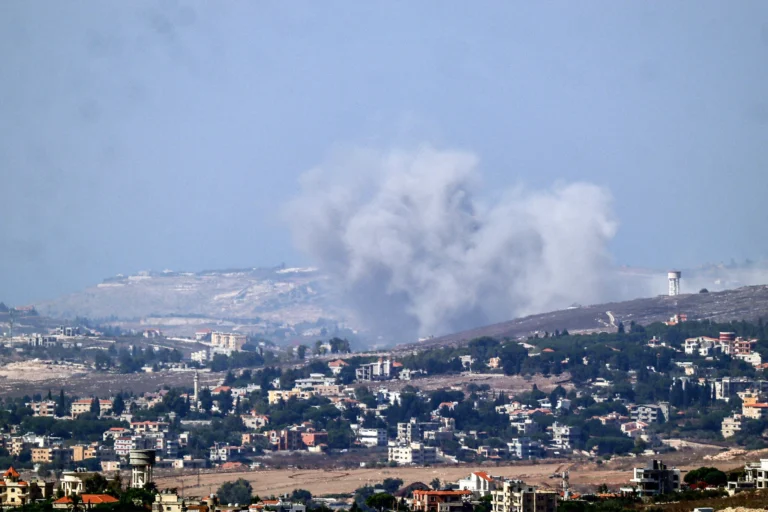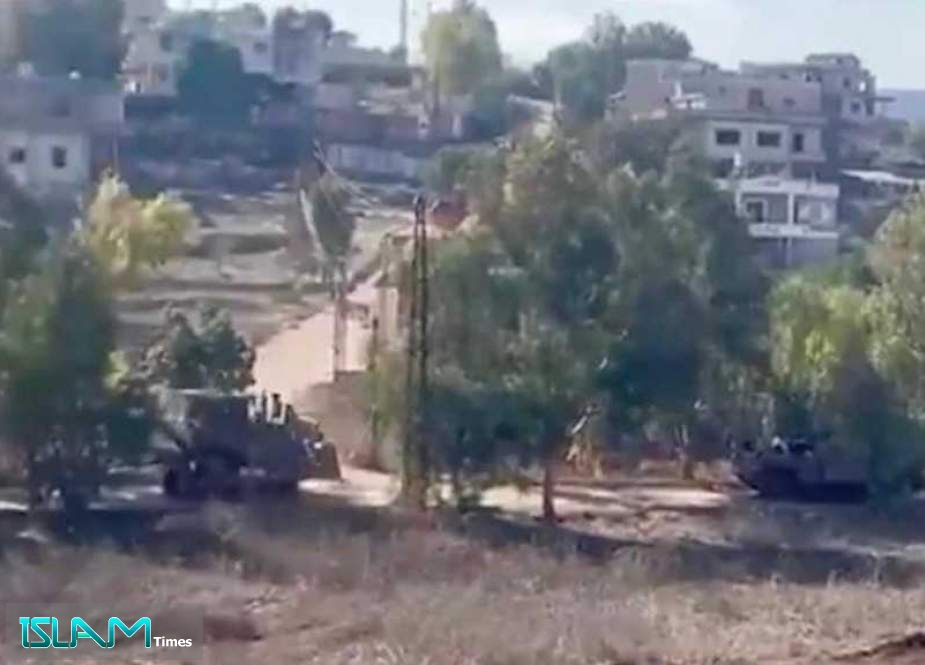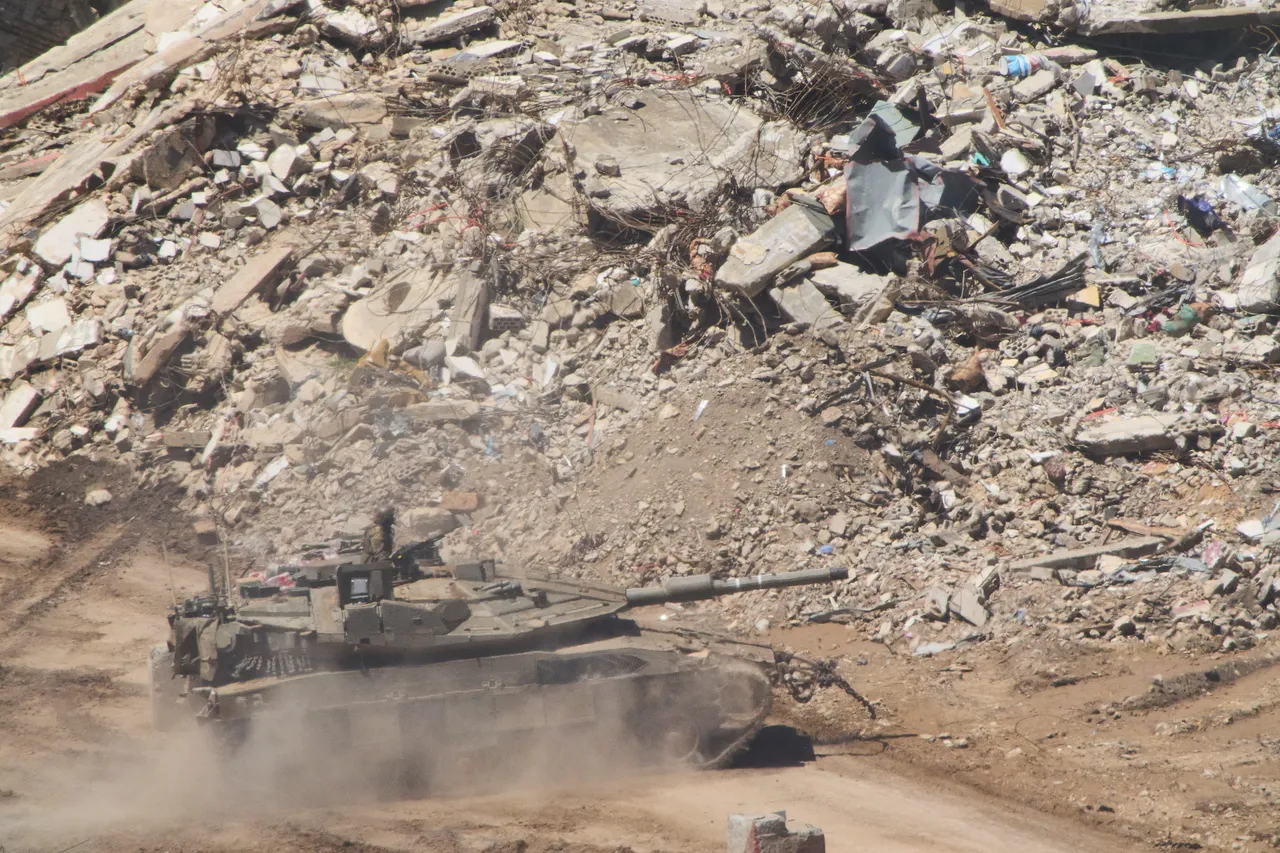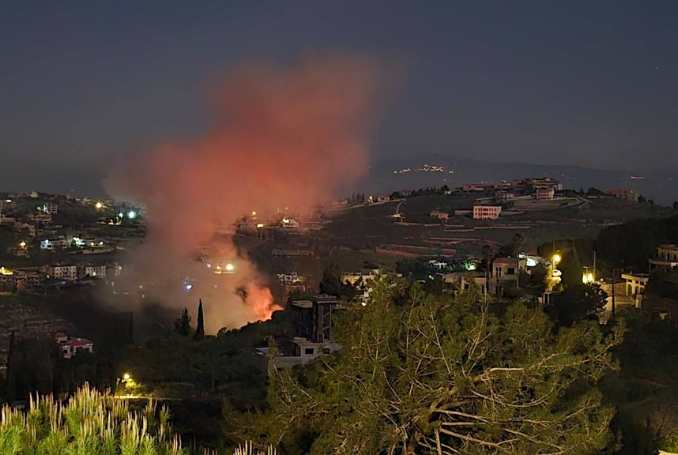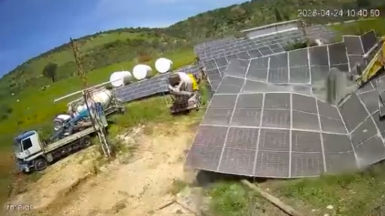
Footage circulating online on Monday appeared to show Israeli military equipment being used to wreck solar panels in a Christian village in southern Lebanon. The widely shared video clips depicted diggers actively damaging solar installations and an industrial vehicle operating on the outskirts of the community of Debel, a village located near the Israeli border. The Israel Defense Forces (IDF) promptly stated it was investigating the incident, acknowledging the gravity of the allegations. The footage specifically noted what appeared to be military machinery systematically dismantling the solar infrastructure, raising immediate concerns about the nature of the operation and the potential for widespread damage to civilian assets in the area. This incident has reignited scrutiny regarding military conduct in southern Lebanon, particularly given the sensitive nature of the region.
Damage and Civilian Impact
Local reports allege that essential infrastructure within the village was significantly affected during the operation carried out by Israel Defense Forces (IDF) soldiers. Beyond the solar panels, these reports indicate that critical community assets, including vital water systems, residential homes, local roads, and agricultural olive groves, sustained damage. The destruction of these varied elements of the village's infrastructure suggests a broader impact than just the energy supply. The solar panels that were damaged have been explicitly described as civilian infrastructure, serving a vital role for hundreds of residents of Debel. These residents were reportedly utilizing these solar installations for their daily energy needs, which are often critical in areas with unreliable public utilities. Crucially, these reports emphasize that the hundreds of residents had not been evacuated from their homes and were present in the village with the IDF's permission at the time of the incident, further showing the direct impact on the civilian population. The village of Debel is strategically situated in southern Lebanon, lying between the Israeli border and the Litani River, a geographical position that often places it at the forefront of regional tensions and makes its civilian infrastructure particularly vulnerable. The destruction of civilian infrastructure, particularly energy sources, has drawn widespread condemnation and calls for thorough accountability from international bodies and local communities alike.
Previous Incident and IDF Response
This latest controversy in Debel follows a separate, highly publicized incident in the same village, which also involved an Israel Defense Forces (IDF) soldier. In that earlier event, a soldier was filmed striking a statue of Jesus with a sledgehammer, an act that caused significant outrage. Reports definitively indicated that Debel was the same village where an IDF soldier was photographed smashing a statue of Jesus just last week. The soldiers involved in the earlier incident of desecrating the religious symbol have since been detained, showing the IDF's stated commitment to addressing such misconduct and maintaining discipline within its ranks. Following a swift internal investigation, the soldier specifically involved in the statue desecration received a 30-day prison sentence and was removed from combat service, reflecting the severity with which the military viewed the act and the need for a clear deterrent against similar behavior. In a gesture of goodwill and to address the damage to the religious artifact, forces from Italy, who are serving with the United Nations Interim Force in Lebanon (UNIFIL) mission, later provided a replacement for the damaged religious symbol, according to reports. This act by UNIFIL forces helped to mitigate some of the local anger caused by the desecration. This prior incident had already brought significant attention to military conduct in the area, setting a precedent for the IDF's response to alleged transgressions and raising expectations for their handling of the current situation.
Accountability and Investigation
The incident involving the solar panels reportedly took place in the village of Debel, further intensifying scrutiny on military activities in the area. The Israel Defense Forces (IDF) announced it has launched a formal investigation into the video showing Israeli soldiers destroying solar panels in the Lebanese village. This investigation aims to ascertain the full circumstances surrounding the damage to the civilian infrastructure and identify all personnel involved. Such an inquiry is key for transparency and to ensure that appropriate measures are taken. In addition to the direct perpetrators, reports indicated that six other soldiers who were present at the scene have been summoned for 'clarification discussions'. These soldiers reportedly 'did not act to stop the incident or report it', according to the reports, suggesting a potential failure in command responsibility or adherence to military protocol, which could lead to further disciplinary actions. The IDF's investigation seeks to determine the chain of command, the orders given, and the extent of any negligence or deliberate action that led to the destruction of the solar panels, which are key for the local population's well-being and daily life. The military's internal inquiry is expected to examine all available evidence, including the circulating video footage and testimonies from the soldiers involved, to ensure a full understanding of the events that transpired in Debel and to hold those responsible accountable for their actions.