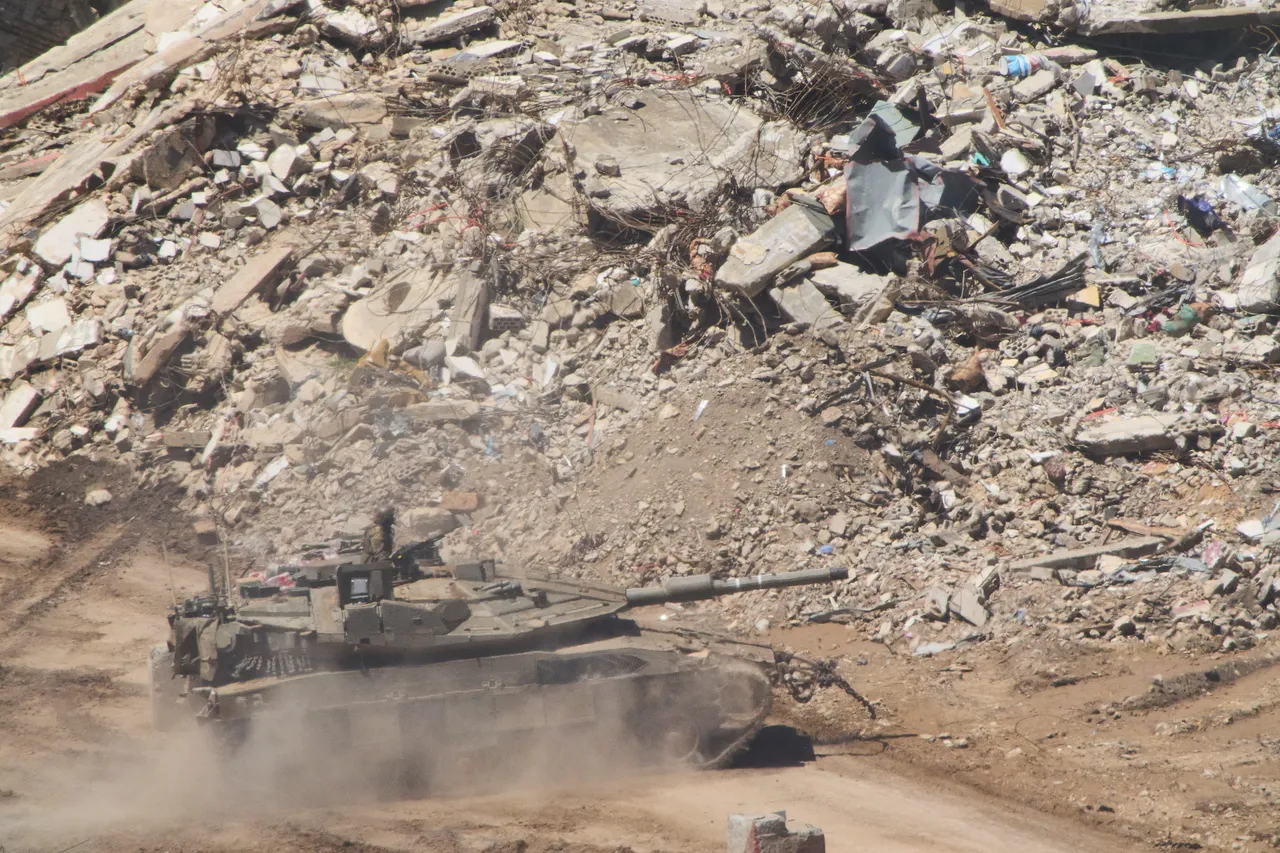
Israel killed at least 29 people and wounded 42 others in southern Lebanon on Thursday, with reports indicating attacks on multiple towns. These actions by Israel involved indiscriminate attacks on several towns in southern Lebanon, resulting in a significant loss of life and widespread damage. Among the casualties were four members of a family, noting the devastating impact on civilians. The attacks occurred despite an ongoing ceasefire, raising serious concerns about the stability of the region and the efficacy of diplomatic efforts.
An Israeli attack on Jibchit killed four people, including a family of four, and wounded nine others, destroying a residential building. This strike contributed to the overall casualty count and showed the destructive nature of the operations. In the town of Toul, Israel killed four people and wounded 11 others in one attack, while a separate strike killed one person and critically wounded a girl, with residential buildings destroyed in both incidents. The Lebanese Health Ministry confirmed that five women and two children were among the victims in three Israeli attacks, with 23 others wounded, including seven women and six children. These tragic events occurred during what was intended to be a ceasefire; a 10-day US-brokered ceasefire that began April 17 was later extended until May 17, making the timing of these strikes particularly contentious.
Deadly Attacks Across Towns
Beyond the initial reports, the scope of the attacks extended to numerous other locations. Two additional people were killed in the town of Harouf after an Israeli aircraft struck a house, according to reports. This strike added to the growing list of civilian casualties and property destruction. Israeli jets also bombed the town of Zebdine, resulting in the deaths of at least six individuals. The intensity of the bombardment in Zebdine further illustrated the widespread nature of the military operations. An Israeli strike on the town of Shaabiyeh, located in the Tyre district, killed two people and wounded one, adding to the regional impact. Separately, Ahmed al-Husseini, the deputy mayor of Jannata, was killed in an Israeli strike between Maaroub and Hmairi, also in the Tyre area. His death marked a significant loss for the local community and noted the targeting of individuals beyond direct combatants.
A father and his daughter were killed in an Israeli air strike that targeted the town of Alhenniya, further demonstrating the tragic toll on families. The Lebanese army reported that one of its soldiers and members of their family were killed in an Israeli air strike on their home in the town of Kfarreman, situated in Nabatieh. This incident showed the danger faced by military personnel and their families even in their residences. Israeli warplanes carried out an additional strike on the town of Sultaniyeh, while artillery shelling targeted the outskirts of Zawtar al-Sharqiya and Mifadoun, indicating a broad range of military actions. Israel reportedly used white phosphorus during an attack in southern Lebanon, a detail that could raise international scrutiny regarding the types of munitions employed.
Targeting of Medics and Health Facilities
The conflict also saw the direct targeting of medical personnel and infrastructure, drawing strong condemnation from humanitarian organizations. On Wednesday, two ambulances dispatched by the Islamic Health Committee and the Risala Scout Association were destroyed less than six minutes after arriving in Mayfadoun, with four paramedics killed and six of their eight crew members wounded. These first two teams of paramedics attacked on Wednesday were specifically dispatched by the Islamic Health Committee and the Risala Scout Association, noting the risks faced by these dedicated organizations. Reports indicated an Israeli drone struck the vehicles' windows and hit 30-year-old Mahdi Abu Zaid, who was later pronounced dead upon arrival at al-Najda Hospital. The precise targeting of the ambulance and its occupants raised serious questions about adherence to international humanitarian law. Humanitarian agencies reported that an average of two health workers had been killed daily in the conflict before a truce took effect on Friday, painting a grim picture of the dangers faced by medical professionals. The Israeli army stated it was aware of reports concerning the ambulance attacks and confirmed the incident was "under review," a common response to such allegations. The United Nations' human rights office warned that intentionally targeting medics constitutes a war crime, emphasizing the gravity of these incidents.
The Lebanese Health Ministry has recorded at least 100 medical workers killed since Israel began its bombing campaign and ground invasion in Lebanon on March 2. This alarming figure demonstrates the systemic risks faced by those providing essential care in the conflict zone. Mohammed Suleiman's 16-year-old son, Joud, was killed with a fellow paramedic in an Israeli strike on their motorcycle on March 24. Mohammed Suleiman stated, "I always had my fears, but I believed that as a neutral organization with no connection to politics, we would be safe, off-limits," expressing the profound betrayal felt by those who assumed protection under humanitarian principles. The World Health Organization reported that 59 primary health care centers have been shuttered due to Israeli attacks, severely impacting access to medical services for the civilian population. This week, Israeli strikes twice hit Lebanon's Tebnine Government Hospital, wounding 11 medical workers and further incapacitating key medical infrastructure.
Broader Conflict Context
The military actions on Thursday were part of a larger pattern of hostilities. The Israeli army conducted 73 airstrikes and artillery shelling operations in Lebanon on Thursday, according to a tally by Anadolu, demonstrating the extensive nature of the day's military engagement. These attacks became a contentious issue during the 2024 Israel-Hezbollah war, contributing to the escalating tensions and cycles of violence. Since March 2, Israel has killed nearly 2,600 people, wounded over 8,000, and displaced more than 1.6 million individuals within Lebanon, according to various reports. These figures show the severe humanitarian crisis unfolding in the region as a direct consequence of the ongoing conflict.
Israel has accused Hezbollah of utilizing Lebanese hospitals as cover for fighter activities, a claim that has been used to justify certain military actions. Last month, an Israeli airstrike destroyed the main Islamic Health Committee clinic in the village of Jibsheet, an organization that also had paramedics targeted in the recent ambulance attacks. This destruction of medical facilities, coupled with the high number of medical worker casualties, has drawn sharp criticism from international bodies concerned with the protection of civilians and humanitarian aid workers in conflict zones. The ongoing conflict continues to exact a heavy toll on both human lives and critical infrastructure in southern Lebanon.