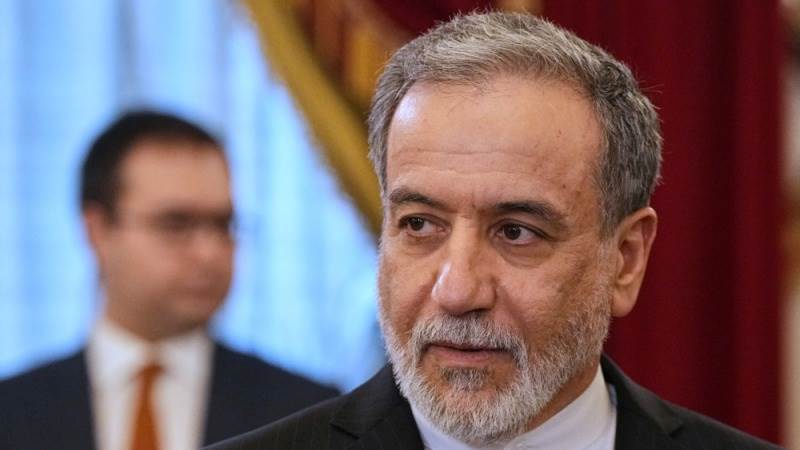
Iran's Foreign Minister Abbas Aaraghchi and Lebanese Parliament Speaker Nabih Berri jointly condemned Israel's actions in Lebanon on Thursday, describing them as "aggressive." During a phone call, Mr. Aaraghchi and Mr. Berri called for international action to stop the violence affecting "the people of Lebanon" in southern Lebanon. They emphasized the necessity of global intervention to address the situation, urging the international community to take decisive steps. The phone conversation served as a platform for both officials to voice their strong objections to the ongoing military operations and their impact on the civilian population.
Officials Detail Concerns
Iranian Foreign Minister Abbas Aaraghchi affirmed Iran's unwavering support for "the people of Lebanon." Aaraghchi also stated that the cessation of Israeli military operations in Lebanon is an integral component of the ongoing US-Iran ceasefire agreement. He showed that any continuation of these operations would be a direct violation of the established accord, which aims to de-escalate regional tensions. The Iranian Foreign Minister stressed the importance of adhering to these agreements to ensure stability and prevent further conflict.
Lebanese Parliament Speaker Nabih Berri, in turn, noted recurring violations of the truce. Berri urged for increased international pressure to ensure Israel is held accountable for its actions. His remarks showed the Lebanese perspective on the persistent instability in the region, emphasizing that these violations undermine efforts toward lasting peace. Berri called upon international bodies to exert their influence and hold all parties responsible for upholding the ceasefire terms. He stressed that without accountability, the cycle of violence is likely to continue, further destabilizing the already fragile region.
Lebanon Seeks US Intervention
Lebanon's President Joseph Aoun has urged the United States to intervene regarding Israel's actions, stating they represent a "continuous violation of the ceasefire agreement." President Aoun's appeal to the U.S. Notes Beirut's profound concerns over the ongoing security situation and the implications for regional stability. His statement shows a call for Washington to exert significant diplomatic pressure on Israel, aiming to uphold the terms of existing agreements and prevent further escalation. The Lebanese presidency's direct engagement with the U.S. Reflects a critical diplomatic effort to address the perceived breaches of the truce. This move signals Lebanon's reliance on influential international actors to mediate and enforce stability in the region, seeking a strong response to what it views as consistent infractions. President Aoun's message to the U.S. Government noted the urgency of the matter, emphasizing the need for immediate and effective intervention to protect civilian lives and infrastructure.
Diplomatic Coordination Continues
Iranian Foreign Minister Abbas Aaraghchi and Lebanese Parliament Speaker Nabih Berri discussed regional developments and the progress of talks in Pakistan's capital, Islamabad. Both officials affirmed their commitment to continuing coordination as negotiations, which are being mediated by Pakistan, move forward. This ongoing diplomatic engagement aims to address the broader security concerns and maintain open communication channels between the two countries. The discussions in Islamabad represent a key avenue for de-escalation and the pursuit of a more permanent resolution to the regional challenges. Both sides agreed to continue their close coordination, recognizing the importance of a united front in addressing the complex geopolitical landscape.
Context of Regional Tensions
Both officials strongly condemned what they described as "aggressive" Israeli attacks. Iran's Foreign Minister Abbas Aaraghchi and Lebanese Parliament Speaker Nabih Berri cited civilian casualties and extensive damage to infrastructure as primary reasons for their condemnation. They emphasized that such actions contribute to an escalating cycle of violence in the region, making a peaceful resolution increasingly difficult. Mr. Aaraghchi and Mr. Berri stressed the importance of international bodies intervening to prevent further instability, calling for a strong and coordinated global response. They noted that the impact on innocent civilians and essential services cannot be overlooked, and these actions serve to exacerbate an already tense environment. The officials reiterated their call for immediate cessation of hostilities and a commitment from all parties to respect international law and existing ceasefire agreements.