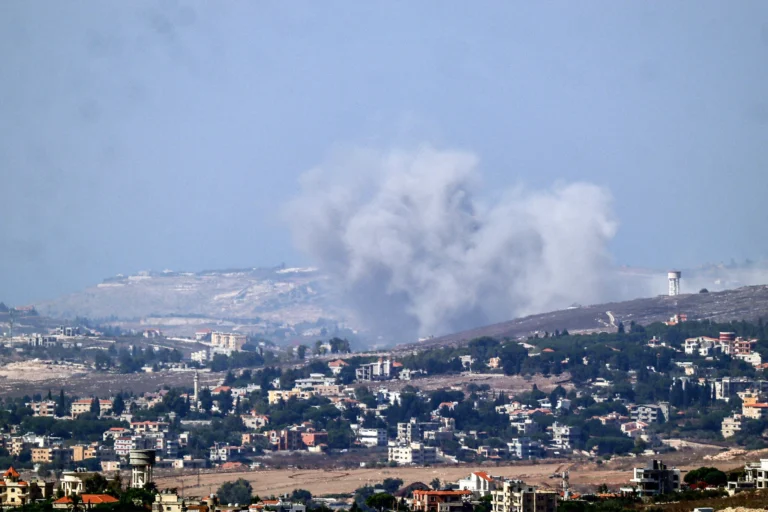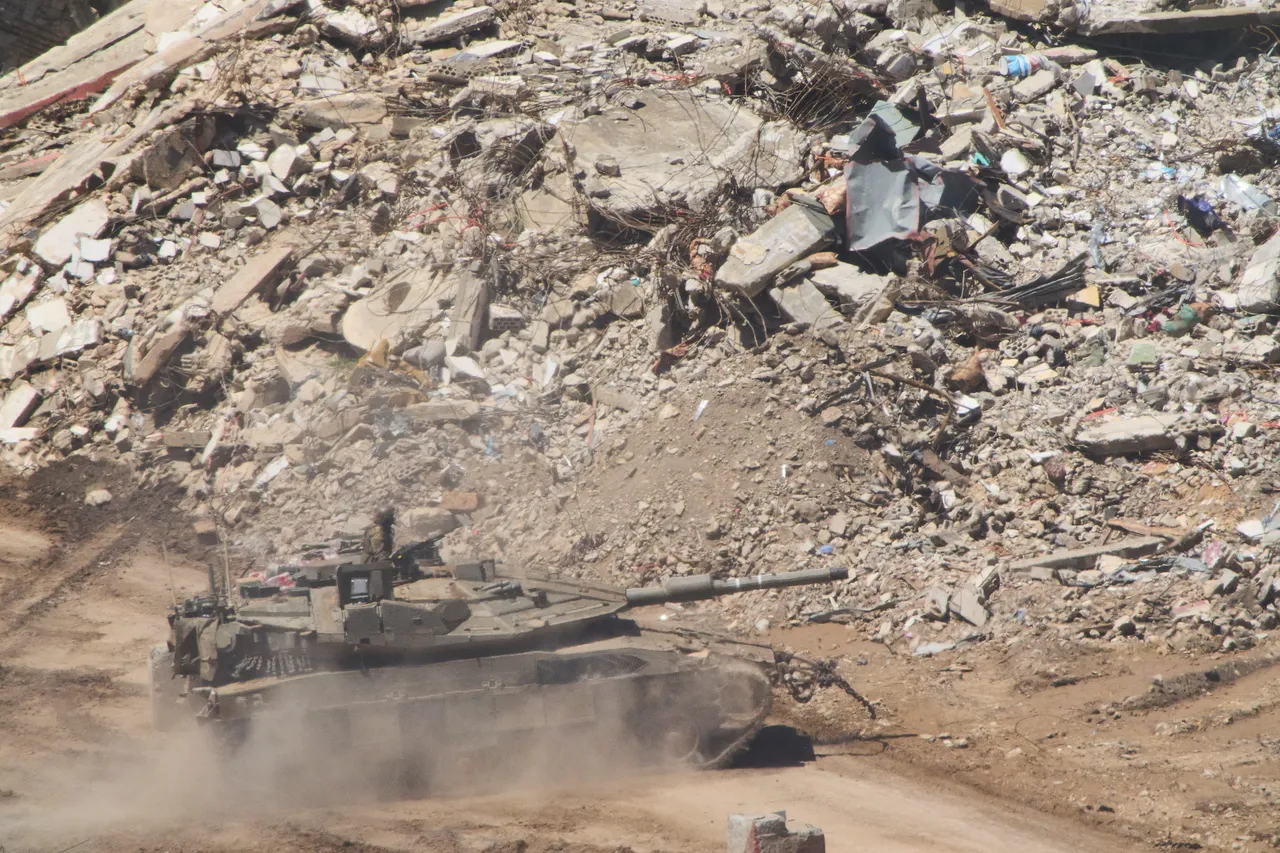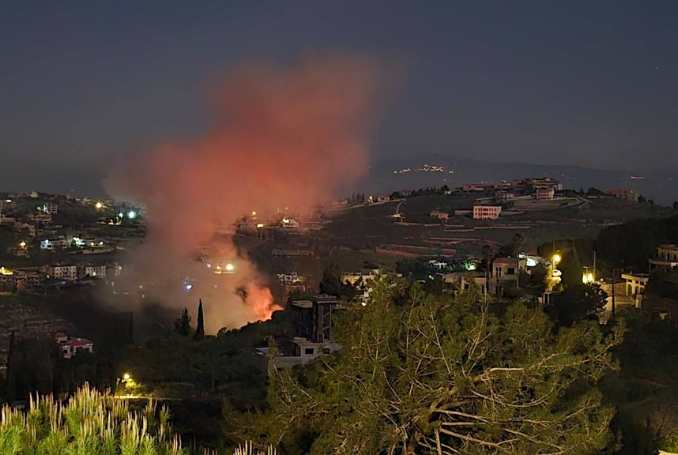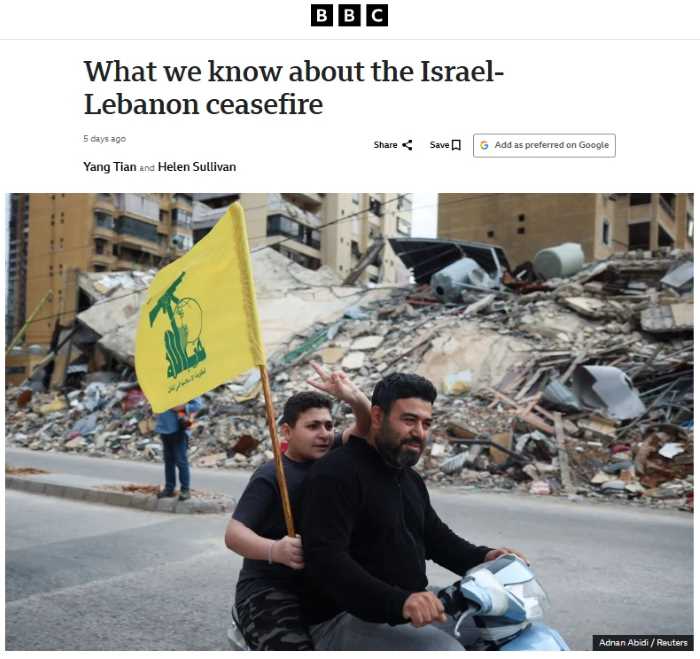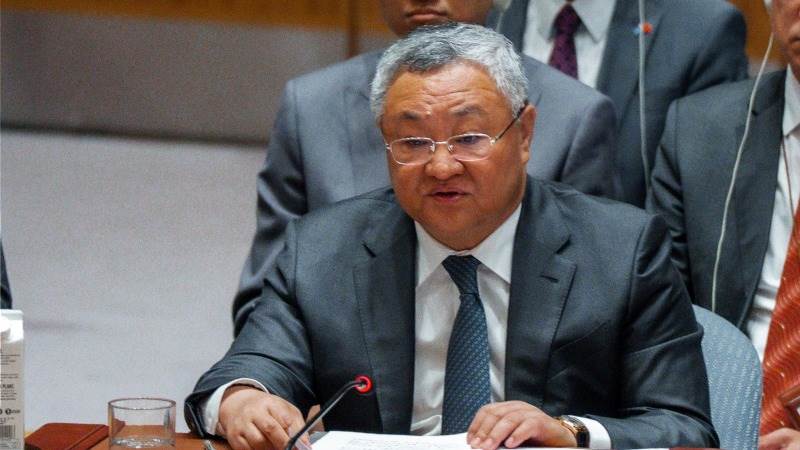
China's Permanent Representative to the United Nations Fu Cong called on Israel to halt attacks on Lebanon, warning that there is no true ceasefire in place between the two countries. Fu Cong described the current situation between Israel and Lebanon as "lesser fire," indicating a volatile and unstable environment despite claims of de-escalation. China's Foreign Ministry expressed high concern on February 28, 2026, regarding U.S. And Israeli military strikes against Iran, urging an immediate cessation of military actions and a return to dialogue. The ministry emphasized the importance of diplomatic solutions to prevent further regional destabilization. Separately, Russia and China condemned the attack and killing of Iran's Supreme Leader Ali Khamenei on March 1, 2026, viewing it as a grave violation of Iran's sovereignty and international law. This condemnation noted a shared stance against actions perceived to undermine national integrity and international legal frameworks.
Escalating Regional Tensions
Hezbollah continued launching strikes against Israeli forces, indicating that the cessation of hostilities did not extend to the militant group, thereby maintaining a state of active conflict. The United States urged leaders of both nations to engage in direct talks, emphasizing diplomacy as a key pathway to de-escalation. U.S. And Israeli military operations against Iran commenced in February 2026, marking a significant escalation in regional tensions. On February 28, 2026, the Russian Foreign Ministry stated, "On the morning of February 28, US and Israeli armed forces carried out airstrikes on the territory of Iran. The scope and character of the military, political, and propaganda preparations that preceded this reckless step, including the deployment of substantial US military forces to the region, leave no doubt that this is a deliberate, premeditated, and unprovoked act of armed aggression against a sovereign and independent UN member state, in direct violation of the fundamental principles and norms of international law." This strong statement showed Russia's view of the military actions as a violation of international norms and sovereignty. This report was published three hours ago, providing immediate context to the unfolding events.
International Condemnation and Diplomatic Maneuvers
Russia's Foreign Ministry decried "propaganda preparations that preceded this reckless step" on the day fighting began, according to reports, suggesting a deliberate campaign to justify military action. Russia also criticized "actions taken by Washington and West Jerusalem" at the United Nations, signaling its intent to challenge these operations on the international stage. On March 1, 2026, China condemned the killing of Ayatollah Ali Khamenei as a violation of international law, warning of a return to 'the law of the jungle.' China stated that large-scale military operations without UN Security Council authorization undermine peace and stability, advocating for adherence to established international protocols. China has regularly condemned and denied accusations that it is providing military support to Iran, calling such claims "fabricated" and unfounded. The article detailing these events is a 1-minute read, offering a concise overview of the critical developments.
Strategic Balancing Act Amidst Crisis
Russia's Foreign Minister Sergey Lavrov reportedly engaged in calls with his counterparts in Iran and Qatar on February 28, 2026, as the conflict escalated, demonstrating immediate diplomatic engagement from Moscow. Beijing, however, did not publicly disclose any similar calls with regional officials until three days into the military operations, when Chinese Foreign Minister Wang Yi spoke with his counterparts in Iran and Oman. This delay suggests a more cautious approach to public diplomacy in the initial stages of the crisis. China has reportedly sought to maintain a delicate balance, criticizing the United States while simultaneously emphasizing the importance of stability in the Middle East, particularly concerning the critical Strait of Hormuz, a vital global shipping lane. Both Russia and China share a strategic objective to leverage the Iran crisis as an opportunity to criticize and potentially undermine the United States and the U.S.-led international order, according to reports, aligning their geopolitical interests in challenging Western influence.