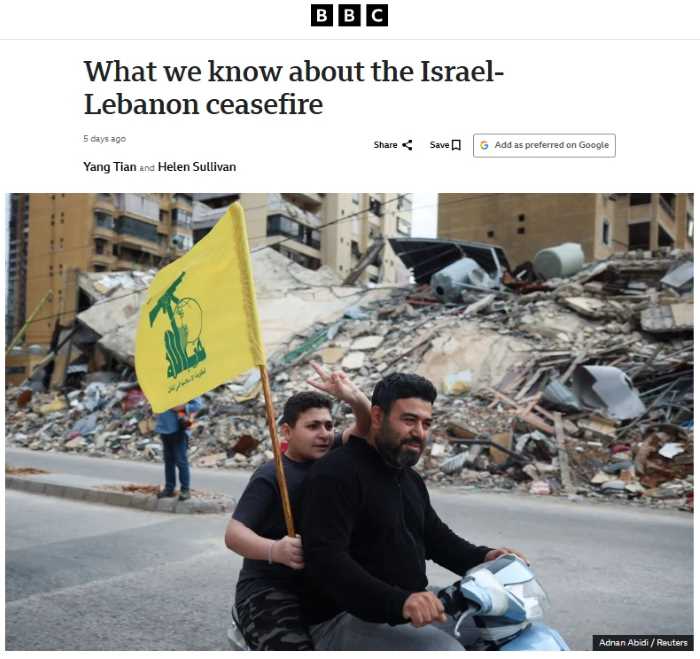
Ahead of diplomatic talks in Washington, BBC News reported conflicting accounts regarding Hizballah's position on a potential Israel-Lebanon ceasefire and negotiations. On the evening ahead of these key talks in Washington, a BBC News report stated that Hizballah had already rejected them. On April 14, 2026, a BBC News article stated that a senior member of Hizballah informed the AP news agency that the group would not adhere to any agreement reached in Washington. Yet, by April 17, 2026, BBC reports indicated that Hizballah "appeared willing to participate" in a ceasefire, creating a complex and shifting narrative around the group's intentions. These reports emerged as the Lebanese health ministry confirmed the death toll from Wednesday's extensive bombardment had risen to 357, with 1,223 people injured, stating, "The toll is still not final, due to the ongoing removal of rubble and the presence of a large amount of human remains requiring DNA testing." The Israeli military countered that its wave of attacks across the country had killed "at least 180 Hezbollah terrorists." The significant human cost showed the urgency of the diplomatic efforts.
Israel's ambassador to Washington confirmed that 'formal peace negotiations' would commence with Lebanon. Israeli Prime Minister Benjamin Netanyahu had authorised direct talks after 'repeated requests from the Lebanese government', though he maintained there was "no ceasefire in Lebanon." This authorization marked a notable shift in diplomatic approach. On Friday at 21:00 Beirut time (19:00 BST), the Israeli and Lebanese ambassadors to Washington held an initial call with the US ambassador to Beirut. During this call, they agreed to a meeting at the US State Department, setting the stage for direct engagement. Delegations are set to convene on Tuesday to discuss ceasefire conditions. Reports indicated that if ceasefire conditions are agreed upon, negotiations will proceed at a later date and time, suggesting a phased approach to de-escalation and potential resolution.
Shifting Narratives on Engagement
A BBC report on April 17, 2026, stated that Hizballah "insists it will not be disarmed," a declaration that adds another layer of complexity to any potential peace agreement. Meanwhile, in the period between the start of the latest ceasefire and the morning of April 27, 2026, Hizballah conducted 31 attacks. Seven of Hizballah's attacks were directed toward Israeli territory, with the remaining attacks by Hizballah targeting IDF forces operating in Lebanon. This continued military activity notes the ongoing tensions despite diplomatic overtures. A subsequent BBC News report on April 26, 2026, indicated that Israeli strikes against a terrorist organization constituted violations of the agreement, further complicating the narrative of adherence to any established protocols. The ceasefire agreement stipulates that from April 16, 2026, at 17:00 EST, the Government of Lebanon would take meaningful steps to prevent Hizballah and all other rogue non-state armed groups from carrying out any attacks against Israeli targets, outlining clear expectations for Lebanese governmental action.
Lebanon and Israel's ambassadors to the US agreed to meet in Washington on Tuesday, an announcement made by the Lebanese presidency. A senior Lebanese presidency official told the BBC that negotiations could only proceed with a ceasefire in place, emphasizing Lebanon's primary condition for engagement. Such direct talks between Lebanon and Israel are considered highly unusual, showing the gravity of the current situation and the potential for a significant diplomatic breakthrough. Historically, US envoys had previously mediated indirect discussions between the two sides, making the current direct engagement a notable departure from past practices.
Commentary on a Lebanese outlet affiliated with Hizballah outlined two potential scenarios regarding a ceasefire. One scenario involved acceptance, which the outlet suggested could leave Hizballah in a weakened strategic position. The other scenario, rejection, risked derailing negotiations and potentially escalating the conflict across Lebanon, including Beirut. This internal analysis from a Hizballah-affiliated source provides insight into the strategic calculations being made within the group. If the Israeli side rejects the proposed terms, no further rounds of talks are expected to take place, noting the fragility of the current diplomatic window and the critical importance of the initial discussions.
Context of the Conflict and Talks
Between the start of the latest ceasefire and the morning of April 27, 2026, Hizballah conducted 31 attacks, demonstrating continued operational capacity and intent. Israel has refused to discuss a ceasefire directly with Hizballah while Israeli air strikes on Lebanon are continuing, maintaining a firm stance against direct engagement with the group it considers a terrorist organization. Efforts to establish negotiations have been ongoing since a ceasefire agreement was initially reached in November 2024, indicating a prolonged period of diplomatic attempts amidst continued hostilities. Regarding the scope of this ceasefire, Pakistan and Iran maintained that Lebanon was included in the US-Iran ceasefire agreement, though the United States and Israel stated it was not, revealing a significant divergence in interpretation of regional agreements.
The human toll of the conflict continued to mount. Lebanon's President Joseph Aoun reported that 13 state security personnel were killed by strikes on the southern city of Nabatieh, painting a grim picture of the impact on official forces. Lebanese authorities also reported that seven members of the same family were killed in Abbassieh, and 11 people died in Zrarieh due to strikes, illustrating the devastating impact on civilian populations. A medical centre in Burj Qalaway was hit, resulting in the deaths of two individuals, noting the vulnerability of critical infrastructure and healthcare facilities. Additionally, a drone strike targeted an ambulance in Toul, though no casualties were reported from that incident, showing the widespread threat of aerial attacks. The Israel Defense Forces (IDF) stated it struck approximately 10 rocket launchers on Thursday night, which it claimed had fired on northern Israel, indicating retaliatory actions and the ongoing cycle of violence.
Humanitarian Impact and Diplomatic Efforts
Hezbollah has reportedly fired rockets at several locations in Israel, including Ashdod, demonstrating its reach and capability to target Israeli population centers. The group itself stated it launched rockets at Kiryat Shmona and Misgav Am on Friday, claiming responsibility for specific attacks. Amidst these ongoing hostilities, UN aid agencies have warned of a growing humanitarian crisis in Lebanon, where more than a million people are displaced, a staggering figure that shows the severe disruption to civilian life. The World Food Programme (WFP) is actively supporting thousands of families in Lebanon, providing key assistance in a challenging environment. However, convoys delivering supplies are experiencing significant delays, sometimes taking 15 hours to cover short distances, which severely hampers the effectiveness and speed of humanitarian aid delivery to those most in need.
Preparatory talks ahead of potential direct negotiations between Lebanon and Israel are scheduled to commence in Washington at 6 p.m. Israel time on Tuesday. The meeting was rescheduled at Washington’s request to allow U.S. Secretary of State Marco Rubio to participate, according to reports in Arab media, signaling the high-level engagement and importance placed on these discussions by the United States. A ministerial source informed Asharq Al-Awsat that Lebanon agreed to the meeting after receiving assurances from the U.S. That it would pressure Israeli Prime Minister Benjamin Netanyahu to agree to a ceasefire in southern Lebanon. The United States reportedly promised to exert this pressure on Prime Minister Netanyahu, who previously stated there was "no ceasefire in Lebanon," indicating a potential shift in the U.S. Diplomatic strategy. The source further indicated that the talks will focus on a single issue: reaching a ceasefire, without which negotiations would not proceed to a second stage. According to the reports, Lebanon intends to present a ceasefire as its sole condition for the discussions, making the immediate cessation of hostilities the critical objective for the Lebanese delegation.