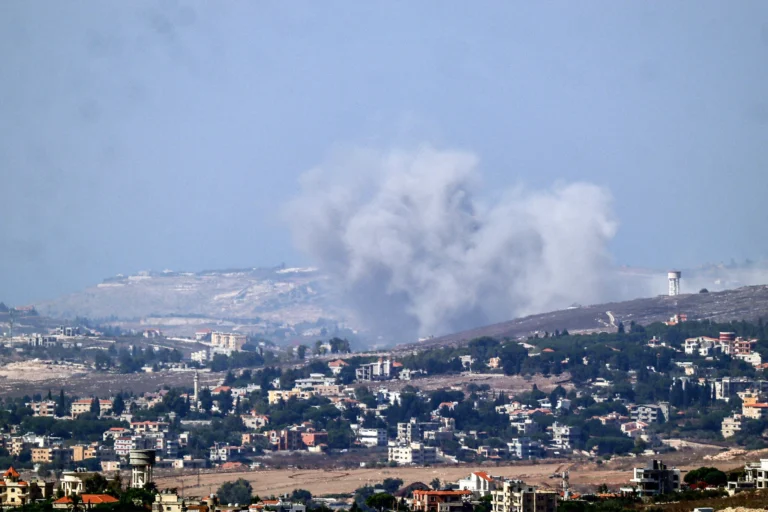
Israel carried out several airstrikes Friday on southern Lebanon that killed at least 10 people, fueling an escalating conflict in the region. The state-run National News Agency reported that four individuals were killed in strikes targeting three other southern villages. In response, Hezbollah issued six statements by Friday afternoon, claiming it had launched drones and rockets at various Israeli military positions. A ceasefire, which had been in place, was subsequently extended by three weeks. This continuation of hostilities occurred despite a ceasefire that had been in effect since April 17, with both Israel’s military and Hezbollah maintaining their attacks.
Hezbollah's Drone Offensive
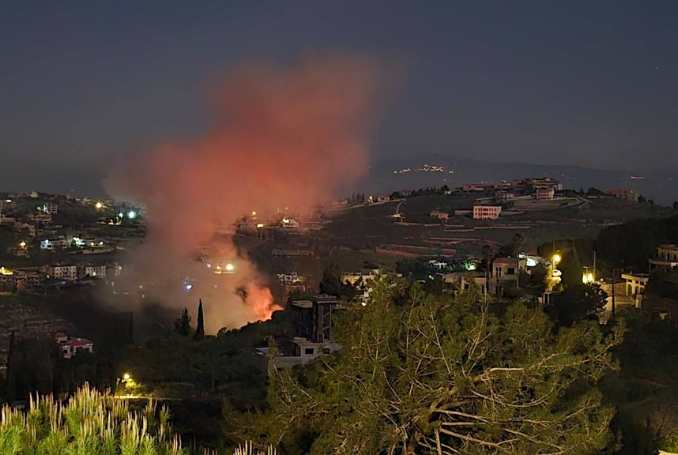
Hezbollah launched an explosive drone that fell in northern Israel near the border with Lebanon, the Israeli military confirmed. The militant group also fired rockets and drones at northern Israel, wounding two soldiers. One drone impact caused a fire near Margaliot, and two soldiers sustained light injuries in a separate Hezbollah drone impact in the area. Hezbollah announced a series of "suicide drone" operations targeting Israeli Defense Forces (IDF) gatherings, according to reports. The Israeli military admitted its forces were targeted by booby-trapped drones, confirming that an officer and a soldier were seriously injured in these attacks. Reports indicated Hezbollah is concentrating its strikes on the towns of Mais al-Jabal, Taybeh, and Qantara in south Lebanon. Two days after the United States and Israel launched a war on Iran, Hezbollah fired rockets into northern Israel, officials said. The war's death toll has reached 2,618, with 8,094 individuals wounded. The latest war between Israel and Hezbollah initially began on March 2.
The Israeli military has provided further details regarding the drone and rocket attacks. The confirmation of an explosive drone falling in northern Israel near the border with Lebanon shows the direct threat posed by Hezbollah's capabilities. The incident near Margaliot, where a drone impact caused a fire and two soldiers were lightly wounded, notes the immediate physical dangers faced by Israeli forces and border communities. The use of "booby-trapped drones" represents a significant tactical development, as evidenced by the serious injuries sustained by an officer and a soldier. These operations, as described by Hezbollah, specifically target Israeli Defense Forces (IDF) gatherings, indicating a strategic intent to inflict casualties and disrupt military operations. The focus of these strikes on specific towns in south Lebanon—Mais al-Jabal, Taybeh, and Qantara—suggests a concentrated effort to control or contest particular areas along the border. The broader context of Hezbollah firing rockets into northern Israel two days after the United States and Israel launched a war on Iran links these regional hostilities to larger geopolitical tensions. The overall human cost of the conflict is stark, with the war’s death toll reaching 2,618 and 8,094 individuals wounded, reflecting the severe impact on both sides.
Israeli Retaliation and Casualties
Israel’s military instructed residents of the Lebanese village of Habboush, located near the southern city of Nabatiyeh, to evacuate. An subsequent airstrike on Habboush killed six people, among them a woman and a child, and wounded eight others. The Lebanese army confirmed that a soldier, Ali Jaber, was killed in the Habboush strike. Additionally, the Israeli Defense Forces (IDF) acknowledged the death of a 19-year-old soldier during field clashes.
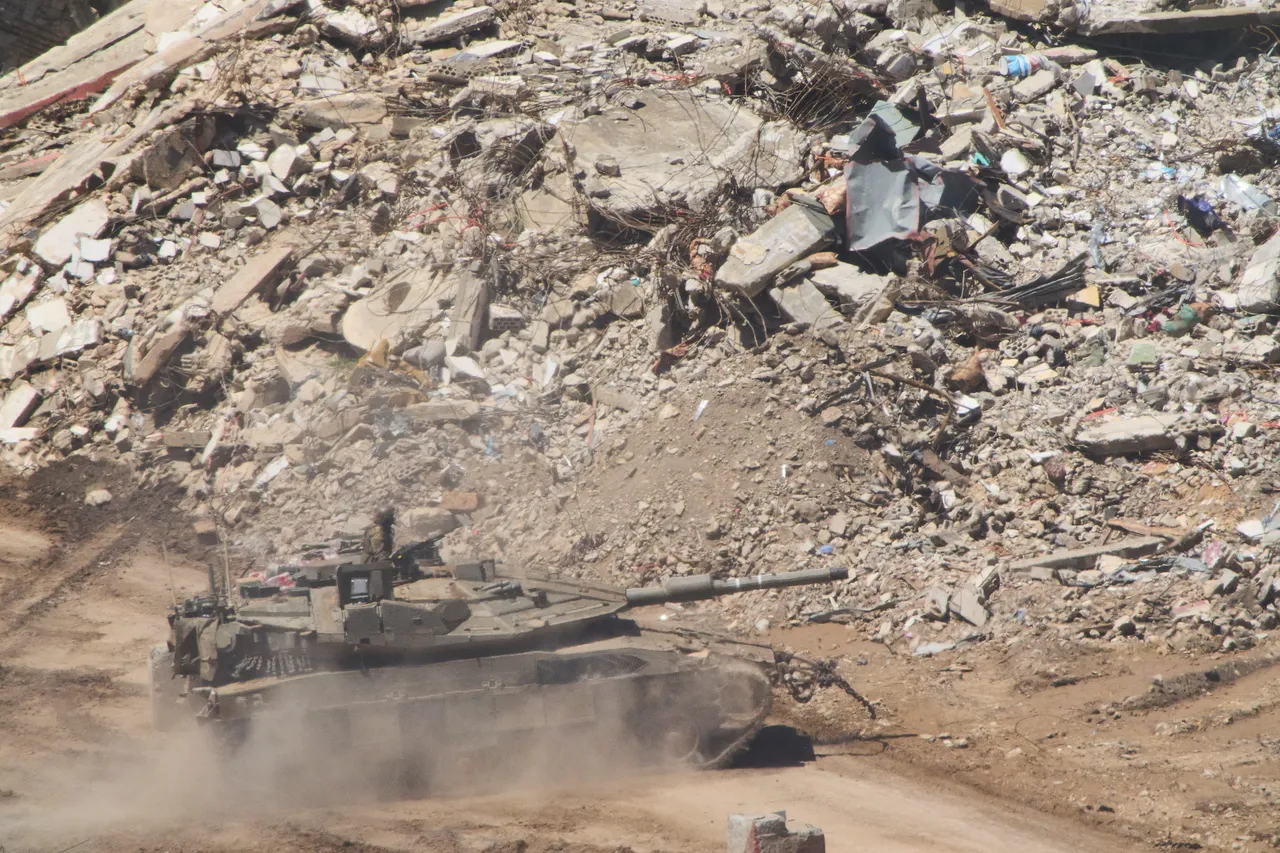
Reports indicated the Israeli death toll in South Lebanon has reached 17 soldiers since operations began last March. Since the latest ceasefire went into effect, four Israeli soldiers have been killed, according to reports. Amidst these events, two chemical plants identified as key facilities for the Iranian Red Crescent Society were struck and destroyed. These plants were primary providers of raw materials used in the production of plastic syringes and dialysis components. The Israeli military’s actions in southern Lebanon have been extensive, including hundreds of airstrikes and a ground invasion that has led to the capture of dozens of towns and villages along the border.
The evacuation order for Habboush residents shows the Israeli military's operational intent and the immediate danger faced by civilian populations in the conflict zone. The tragic outcome of the airstrike on Habboush, which resulted in the deaths of six people, including a woman and a child, and injuries to eight others, notes the severe civilian toll of the ongoing hostilities. The confirmation of Lebanese soldier Ali Jaber's death in the Habboush strike further illustrates the direct engagement and casualties sustained by Lebanese forces. The IDF's acknowledgement of a 19-year-old soldier's death during field clashes points to the intense ground engagements occurring in the region. The cumulative Israeli death toll of 17 soldiers in South Lebanon since operations commenced last March, with four of those deaths occurring since the latest ceasefire, demonstrates the persistent and lethal nature of the conflict for Israeli forces. The destruction of two chemical plants identified as key facilities for the Iranian Red Crescent Society, which supplied raw materials for plastic syringes and dialysis components, indicates a broader targeting strategy that extends beyond immediate military installations, potentially impacting humanitarian infrastructure. These actions are part of a larger pattern of Israeli military operations, which have included hundreds of airstrikes and a ground invasion that has resulted in the capture of numerous towns and villages along the border.
Humanitarian Impact and Civilian Toll
An airstrike late Thursday in Kfar Rumman killed five people, including Malek Hamza and his sons Ali, Fadel, and Hamza, according to reports. The same strike also killed Lebanese soldier Ali Jaber. Separately, an Israeli airstrike targeted the town of Majdal Selm in South Lebanon.
The conflict has taken a significant toll on aid workers, with two Lebanese Red Cross volunteers killed and 18 others wounded by Israeli strikes. Lebanon's health ministry has reported that more than 100 health workers have been killed across the country during the war. Israel has denied that it deliberately targets health facilities and emergency workers.
The civilian population has also faced displacement and damage to property. Umm Ali Khodor, a resident of Tyre, described returning to her apartment, which had sustained damage in 2024 and again during the current conflict. "We were displaced, we rented a house, but as you know the situation is very difficult," Khodor stated, adding, "We could not continue so we returned to our home."
At Jabal Aamel hospital in Tyre, director Wael Mroueh noted that many of the wounded are individuals who had previously fled but later returned. Mroueh described the current situation as "different from all the previous wars," stating that while some found refuge, "a large number did not find places and came back." In a separate incident, a strike hit near a Red Crescent rehabilitation center in Tehran, which serves children, elderly people, and people with disabilities, causing damage to the facility.
The airstrike in Kfar Rumman, claiming the lives of Malek Hamza and his three sons—Ali, Fadel, and Hamza—along with Lebanese soldier Ali Jaber, illustrates the devastating impact on families and military personnel alike. The targeting of Majdal Selm in South Lebanon by another Israeli airstrike further points to the widespread nature of the aerial campaign. The humanitarian cost is particularly stark for aid organizations: two Lebanese Red Cross volunteers have been killed and 18 others wounded by Israeli strikes, directly impacting their ability to provide critical assistance. This is part of a broader crisis for healthcare providers, with Lebanon’s health ministry reporting that more than 100 health workers in total have been killed across the country during the war, despite Israel's denial of deliberately targeting health facilities and emergency workers.
The displacement of civilians is a critical consequence, exemplified by Umm Ali Khodor's experience in Tyre. Her apartment, damaged in 2024 and again in the current conflict, forced her family into temporary housing before financial constraints compelled their return to a damaged home. This narrative notes the economic hardship and lack of safe alternatives faced by many. Wael Mroueh, director of Jabal Aamel hospital in Tyre, has observed a troubling trend: many of the wounded are individuals who initially fled the fighting but subsequently returned due to limited options for refuge. Mroueh's assessment that the current situation is "different from all the previous wars" shows the unprecedented challenges and scale of displacement. The damage caused by a strike near a Red Crescent rehabilitation center in Tehran, a facility serving vulnerable populations including children, the elderly, and people with disabilities, raises concerns about the broader impact of military actions on civilian infrastructure and humanitarian services, even beyond the immediate conflict zone.
Broader Context and Ceasefire Breakdown
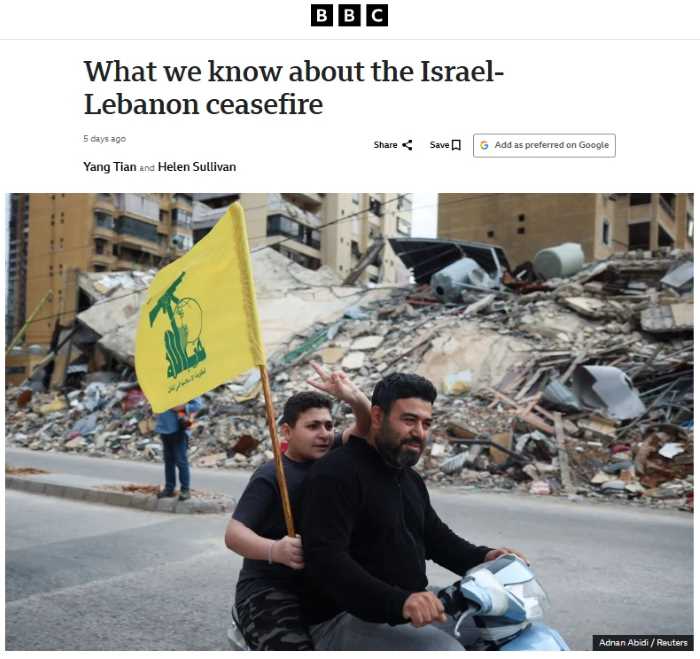
Israel’s military and Hezbollah continued their attacks despite a ceasefire that had been in place since April 17. The current conflict between Israel and Hezbollah initially began on March 2. A 10-day ceasefire, declared in Washington, had taken effect on April 17. Reports indicated that the border region has transformed into an open combat zone, with South Lebanon remaining a "powder keg" that threatens a full-scale explosion.
Israel has since carried out hundreds of airstrikes and launched a ground invasion of southern Lebanon, capturing dozens of towns and villages along the border, according to reports. Lebanon and Israel have held their first direct talks in more than three decades, despite the two countries formally being in a state of war since the founding of the state of Israel in 1948. Israel has denied that it deliberately targets health facilities and emergency workers. The ceasefire, which went into effect on April 17 following a declaration in Washington, was later extended by three weeks, yet hostilities persisted.
The persistent attacks by both Israel’s military and Hezbollah, despite the ceasefire in place since April 17, show the fragility of any temporary cessation of hostilities. The conflict, which commenced on March 2, has seen the border region unequivocally transform into an open combat zone, a claim supported by the continuous exchanges of fire. This volatile situation has led to the characterization of South Lebanon as a "powder keg," with a constant threat of a full-scale explosion. The initial 10-day ceasefire, brokered in Washington and effective from April 17, offered a brief respite, but its subsequent three-week extension failed to prevent renewed and intensified fighting.
The scale of Israel's military response, encompassing hundreds of airstrikes and a ground invasion that has resulted in the capture of dozens of towns and villages along the border, indicates a full military campaign. This extensive operation has significantly altered the landscape of southern Lebanon. The fact that Lebanon and Israel have engaged in their first direct talks in over three decades, despite formally being in a state of war since Israel's founding in 1948, suggests a complex diplomatic landscape alongside the military conflict. However, these talks have not yet translated into a lasting peace or a full cessation of hostilities. Israel's consistent denial of deliberately targeting health facilities and emergency workers, while important, often contrasts with the on-the-ground reports of casualties among aid workers and damage to medical infrastructure, noting a persistent point of contention and concern for humanitarian organizations.