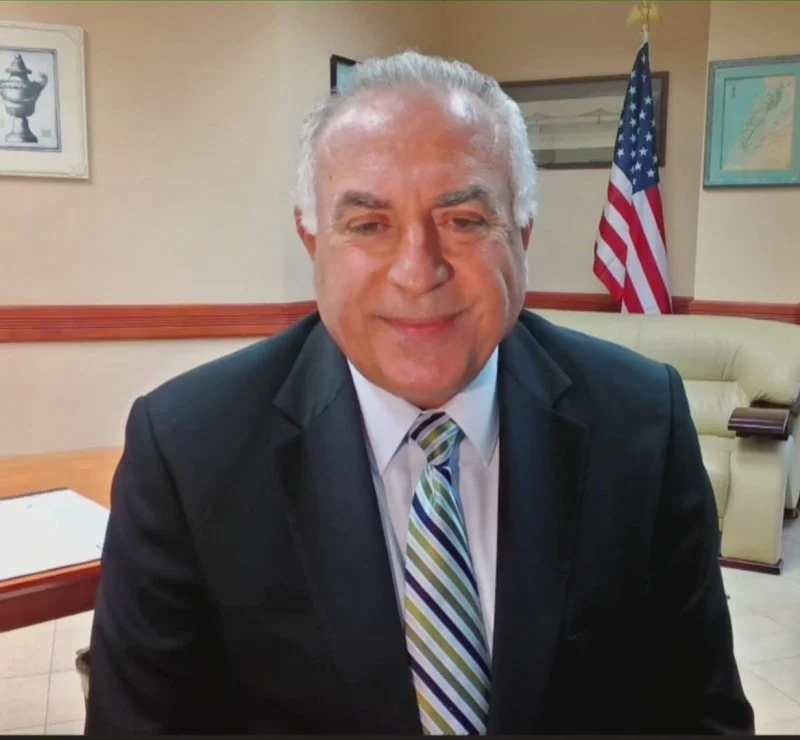
American political analyst Tom War recently published a message, attributed to the Trump administration, outlining a stark choice for Lebanon's future. War stated that "ترامب قدّم للبنان فرصة تاريخية، وعلى لبنان أن يختار الآن بين السيادة والسلام" (Trump has presented Lebanon with a historic opportunity, and Lebanon must choose now between sovereignty and peace). This declaration shows a critical juncture for the nation, emphasizing that the path forward requires a definitive decision on its geopolitical alignment and internal governance. According to War, President Joseph Aoun is required to resign if he is not ready to achieve peace with Israel and restore full Lebanese sovereignty. War asserted that "الرئيس جوزاف عون مطالب بالاستقالة إذا لم يكن مستعدًا لتحقيق السلام مع إسرائيل واستعادة السيادة اللبنانية الكاملة" (President Joseph Aoun is required to resign if he is not ready to achieve peace with Israel and restore full Lebanese sovereignty). The message presents Lebanon with choices between "full sovereignty" or the continuation of the current situation, which War implies is detrimental to the nation's long-term stability and independence. War added that "إذا لم يتمكن عون من اتخاذ قرار فك الارتباط مع المجموعات المسلحة واغتنام هذه الفرصة، فعليه التنحي وفسح المجال أمام قيادة جديدة" (If Aoun cannot decide to disengage from armed groups and seize this opportunity, he must step aside and make way for new leadership). This ultimatum notes the perceived urgency of the situation from the perspective of the Trump administration's message.
US Support for Sovereignty
War believes the Trump administration "opened the door for Lebanon to reclaim its state from Hezbollah and Iranian influence," according to his analysis. This framing suggests a strategic opening created by the previous US administration for Lebanon to reassert its national control. The United States is prepared to support initiatives for border security, reconstruction efforts, and the extension of state authority across all Lebanese territories. This full support package is designed to bolster the Lebanese government's capacity and legitimacy, enabling it to govern effectively throughout the country. The offer of assistance extends to critical areas such as establishing strong control along its borders, undertaking necessary rebuilding projects, and ensuring that the central government's writ runs unchallenged in all regions. This proposal aligns with broader US pressure campaigns implemented in recent years, which have included sanctions and various political initiatives. These concerted efforts have consistently aimed to encourage Lebanon to reorder its sovereign priorities, especially concerning border control and preventing its territory from being utilized as an arena for regional conflict. Washington frequently proposes an approach that links economic stability to the rebuilding of state institutions and the enhancement of transparency. This approach is often presented alongside measures to limit the influence of armed groups operating outside official legitimacy, thereby promoting a unified and stronger state. The US views these steps as key for Lebanon to achieve lasting peace and economic recovery, free from external interference and internal fragmentation.
Presidential Hesitation and Demands
American political analyst Tom War claims that a majority of Lebanese citizens desire peace and independence. This assertion suggests a disconnect between the public's aspirations and the current political trajectory. However, War asserts that President Joseph Aoun has shown hesitation and has not succeeded in severing ties with Hezbollah, which is presented as a primary obstacle to achieving these goals. War stated that "the time for excuses and postponement has ended," indicating a demand for immediate and decisive action from the Lebanese leadership. He believes that if President Aoun cannot decide to break ties with armed groups and seize the current opportunity, he should step down to allow new leadership to emerge. This call for resignation shows the gravity of the decision facing President Aoun, placing the onus on him to either enact significant policy changes or relinquish his position.
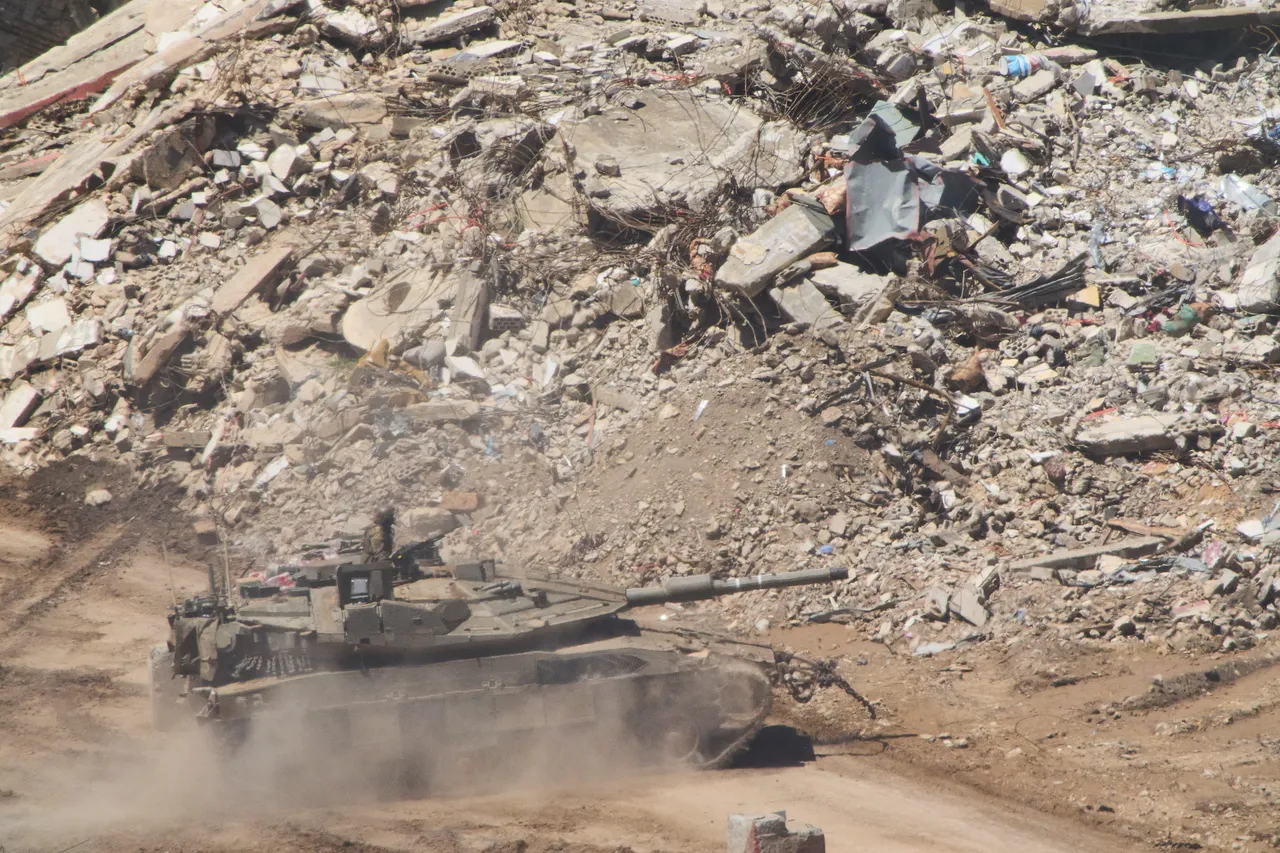
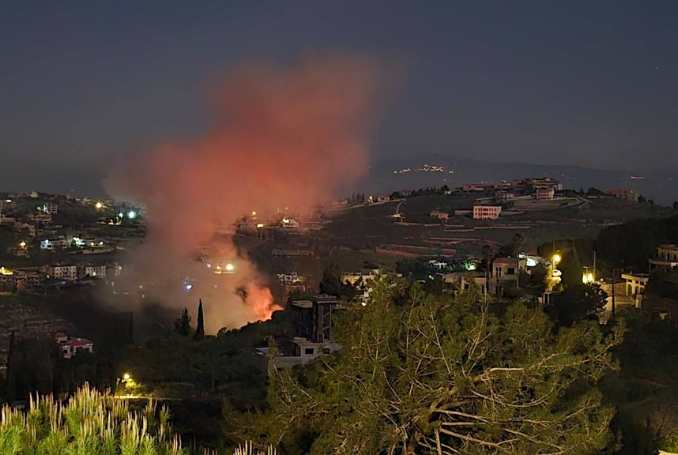
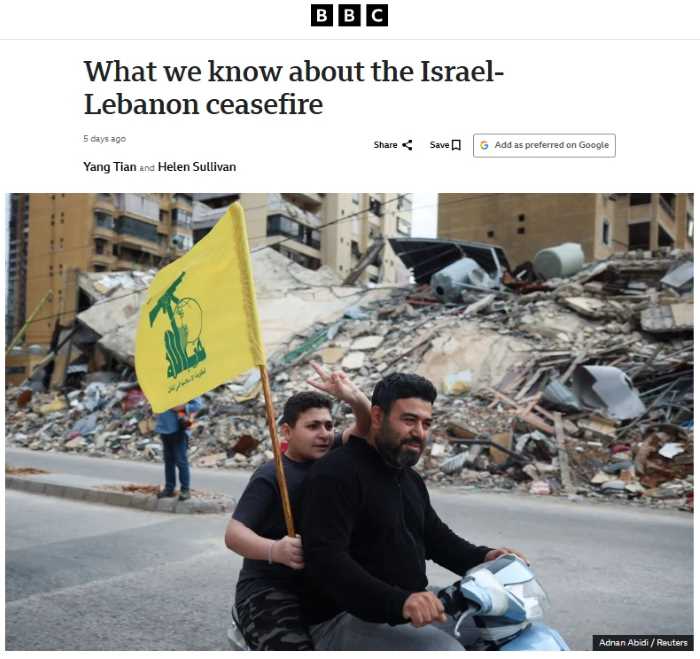
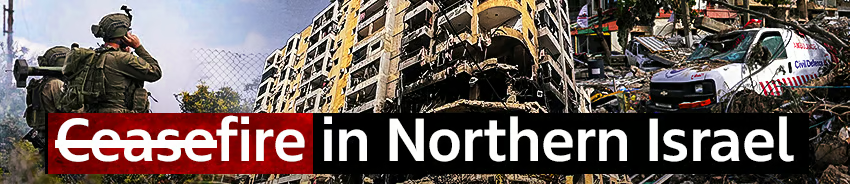
This proposal faces significant internal complexities within Lebanon. Key political forces in the country view Hezbollah's arms file as inherently linked to broader regional factors and the ongoing conflict with Israel. This perspective complicates any attempt to disarm or marginalize the group, as it is seen by some as a necessary defense mechanism in a volatile region. Consequently, any attempt to impose a new political equation is likely to cause sharp divisions among the various factions and communities within Lebanon. This stance from War comes amid escalating political and media pressure concerning Hezbollah's arms and its role in the Lebanese political landscape, particularly given the ongoing tensions on the southern front with Israel. The heightened regional instability amplifies the internal debate, making the issue of armed groups even more contentious and difficult to resolve. The intricate web of political alliances, historical grievances, and security concerns means that any push for a radical shift in the status quo is met with considerable resistance and the potential for increased internal strife.
International Conditions for Aid
Many Western countries condition their financial and political support for Lebanon on the implementation of significant reform measures. These measures typically include initiatives aimed at strengthening state authority across all Lebanese territories. The international community views a strong, centralized government as essential for Lebanon's stability and its ability to address its myriad challenges. They also emphasize the centralization of security and military decisions under the official government's purview, moving away from a system where various armed groups operate independently. International partners often view such reforms as essential for Lebanon's long-term stability and economic recovery. The consistent message from these countries suggests that external aid is intrinsically linked to the government's capacity to assert its sovereignty and control over all armed entities within its borders. This approach reflects a broader international consensus that a unified and strong state is fundamental to addressing Lebanon's multifaceted crises, including economic collapse, political paralysis, and security vulnerabilities. Without these reforms, the international community's willingness to provide substantial assistance remains constrained, reinforcing the pressure on Lebanese leadership to make difficult but necessary decisions regarding its internal security and governance. The emphasis on state control over security apparatuses is a recurring theme in international discussions concerning Lebanon's path to recovery and self-sufficiency.