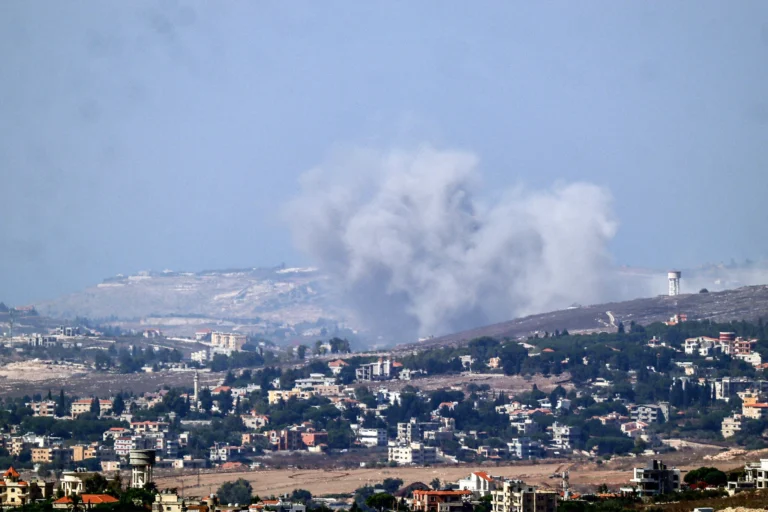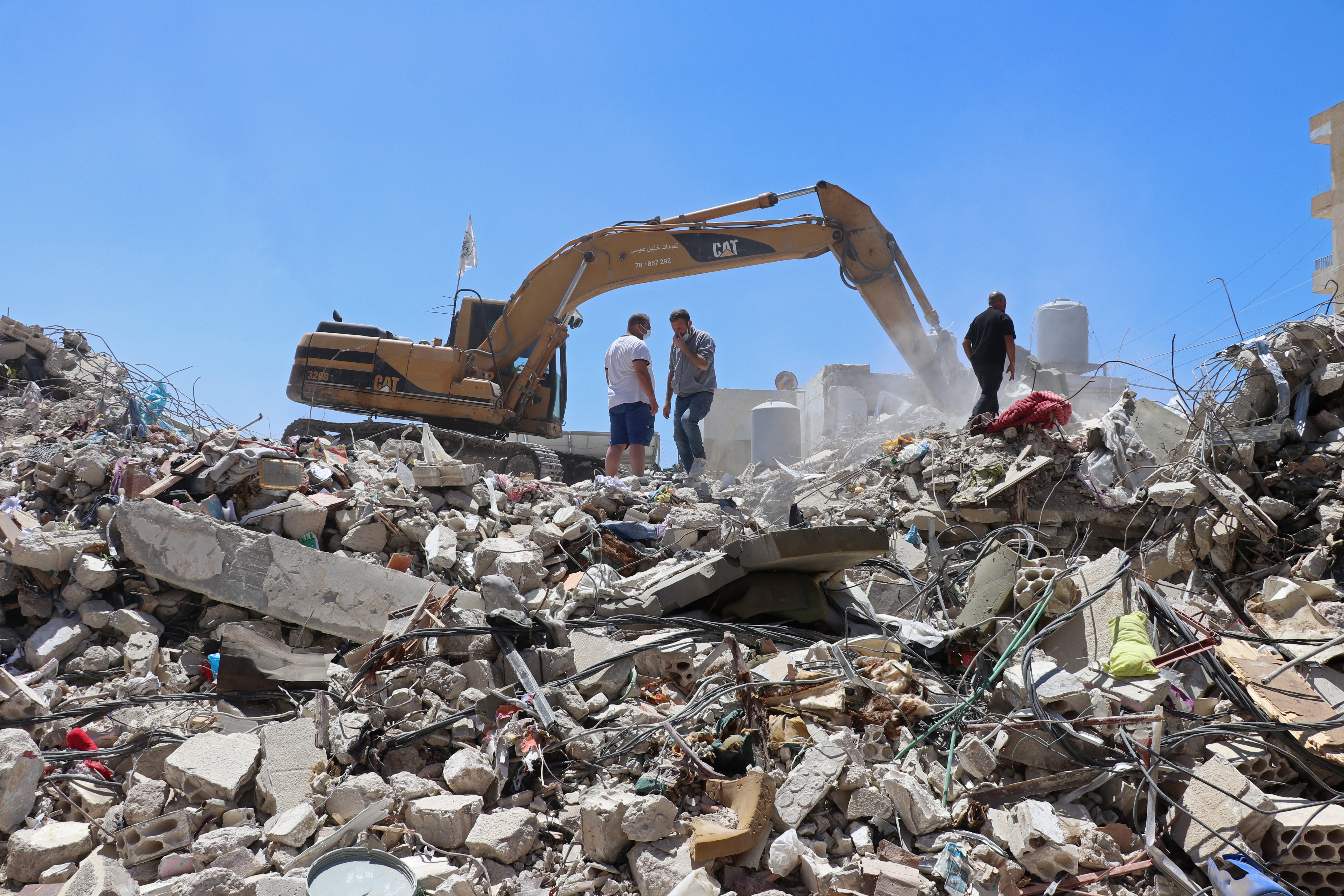
Lebanon is facing a humanitarian catastrophe two months after Israel’s war on the country began, aid agencies have warned. The conflict has severely impacted the nation, with Lebanon’s health ministry reporting that at least 17 people were killed in airstrikes on Thursday alone. The economic fallout has been drastic, pushing a significant portion of the population into extreme poverty. Currently, one-in-ten people in the country are surviving on less than US$1 per day, noting the severe humanitarian crisis. This dire situation shows the urgent need for international attention and humanitarian assistance as the conflict continues to escalate and its devastating consequences become increasingly apparent across the nation.
Escalating Conflict and Destruction
The latest phase of the conflict began on March 2. Officials reported that an additional 10 people were killed on Friday, following the 17 fatalities recorded on Thursday. These casualties contribute to a rapidly rising death toll and widespread destruction. Israel states its military operations in Lebanon are intended to establish security for its residents in northern Israel. The stated aim is to neutralize threats emanating from Lebanese territory, which Israeli officials claim are endangering Israeli communities along the border.
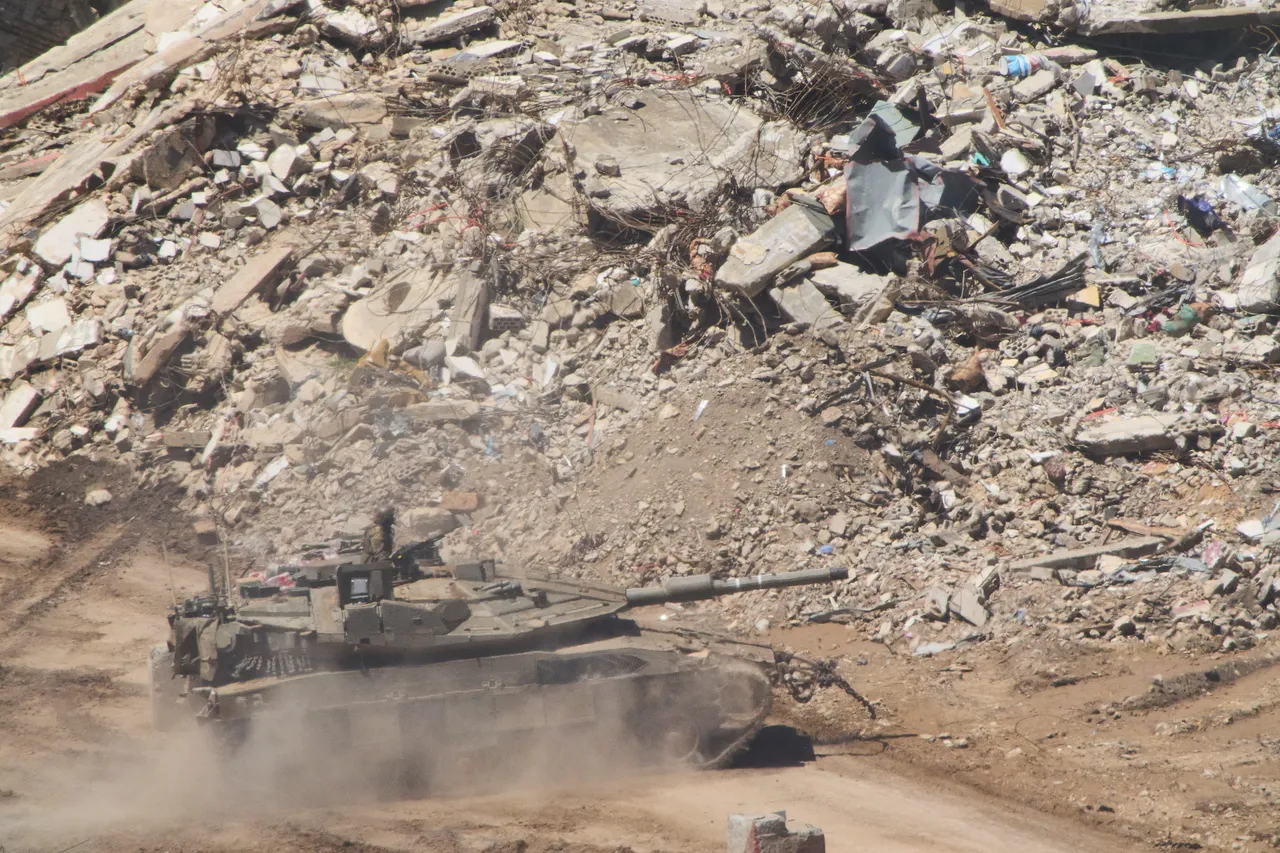
Defence Minister Israel Katz articulated this objective on March 22. Katz said, "accelerate the destruction of Lebanese homes in the border villages in order to thwart threats to the Israeli settlements - in accordance with the Beit Hanoun and Rafah model in Gaza." This statement indicates a strategy that involves extensive demolition in border areas, drawing a comparison to military operations in other densely populated regions. The impact of such operations on civilian infrastructure and populations is a growing concern for humanitarian organizations operating in the region. The scale of destruction in Lebanon is being compared by some observers to that seen in Gaza, indicating the severity and widespread nature of the damage inflicted. This comparison notes the extensive impact on residential areas, public services, and the overall living conditions for Lebanese citizens.
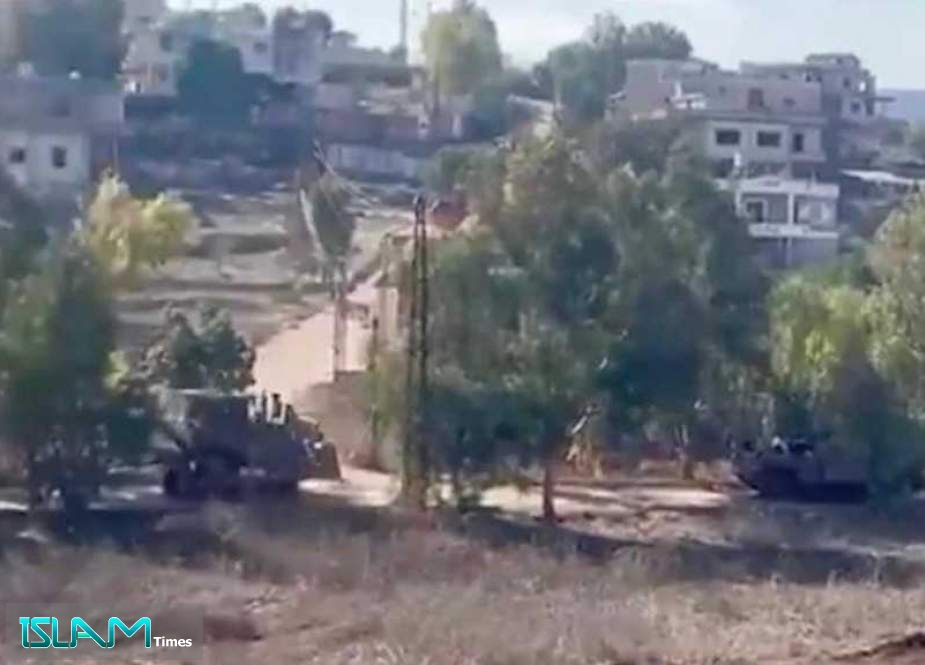
The ongoing military actions have resulted in significant damage to infrastructure, including homes, roads, and essential services. Reports from various sources indicate that entire villages along the border have suffered extensive damage, rendering many areas uninhabitable. This destruction not only leads to immediate displacement but also poses long-term challenges for reconstruction and recovery, further exacerbating the humanitarian crisis. The continuous bombardment and military incursions have created an environment of fear and instability, deeply affecting the daily lives and livelihoods of Lebanese citizens, particularly those residing in the southern regions of the country.
Humanitarian Crisis Deepens
More than one million people are now internally displaced within Lebanon due to the ongoing conflict. This massive displacement places immense pressure on host communities and already strained resources, leading to overcrowding and a lack of adequate shelter for many. This displacement exacerbates an already dire situation where approximately one-fifth of the nation's population struggles to meet its basic food needs. Food insecurity has become a critical issue, with many families unable to access or afford sufficient nutritious food, leading to concerns about malnutrition, especially among vulnerable groups like children and the elderly.
The World Central Kitchen (WCK) is actively addressing this crisis, with its crews on the ground serving 25,000 hot meals daily to Lebanon’s most vulnerable populations. This vital assistance provides a lifeline for thousands who have lost their homes and sources of income, offering a consistent source of sustenance amidst widespread scarcity. However, the scale of the crisis means that even significant efforts like those of WCK can only partially meet the overwhelming demand for food aid. The disruption to agricultural activities and supply chains further complicates efforts to ensure food security across the country.
The conflict has led to nearly 14 percent of the country’s territory being placed under evacuation warnings and displacement orders. This widespread disruption further strains resources and infrastructure, impacting access to food and essential services for a significant portion of the Lebanese population. These orders have forced hundreds of thousands to abandon their homes and livelihoods, creating a massive influx of displaced persons into safer, albeit often unprepared, areas. The sudden need for shelter, food, water, and medical care in these receiving areas has pushed local capacities to their limits.
The sustained displacement and food insecurity highlight the severe humanitarian challenges facing the country as the conflict continues. The long-term implications of this crisis include potential public health emergencies due to inadequate sanitation and healthcare access, as well as significant psychological trauma for those affected by violence and displacement. The economic impact of the conflict, coupled with pre-existing financial difficulties, has pushed many families into extreme poverty, making recovery a distant prospect without substantial international support.
Aid Agencies' Urgent Warnings
Lebanon's health ministry reports that at least 2,500 people have been killed by the Israeli military in the country since March 2. This grim statistic shows the devastating human cost of the ongoing conflict, with civilian casualties a major concern for international human rights organizations. The continuous loss of life, including women and children, has prompted urgent calls for a cessation of hostilities to prevent further suffering. The scale of destruction in Lebanon is being compared by some observers to that seen in Gaza, indicating the extensive damage to infrastructure and the severe impact on civilian life. This comparison notes the widespread nature of the conflict's effects, extending beyond direct casualties to the widespread devastation of homes, public services, and the overall environment.
Meanwhile, Israeli authorities state that three Israeli civilians and 16 soldiers have been killed by Hezbollah. These casualties on the Israeli side reflect the reciprocal nature of the conflict, with both sides experiencing significant losses. The ongoing exchanges of fire across the border contribute to a cycle of violence that humanitarian agencies warn is pushing Lebanon to the brink. The warnings from aid agencies emphasize that the current situation is unsustainable and that a humanitarian catastrophe is not merely a possibility but an unfolding reality. They stress the critical need for safe corridors for aid delivery and protection for civilians caught in the crossfire. The international community is being urged to intervene diplomatically to de-escalate the conflict and provide immediate, substantial humanitarian assistance to address the deepening crisis in Lebanon. The long-term stability and recovery of the country depend heavily on a sustained peace and full reconstruction efforts.