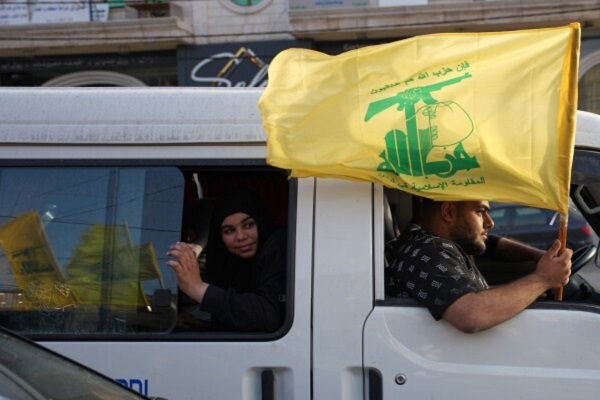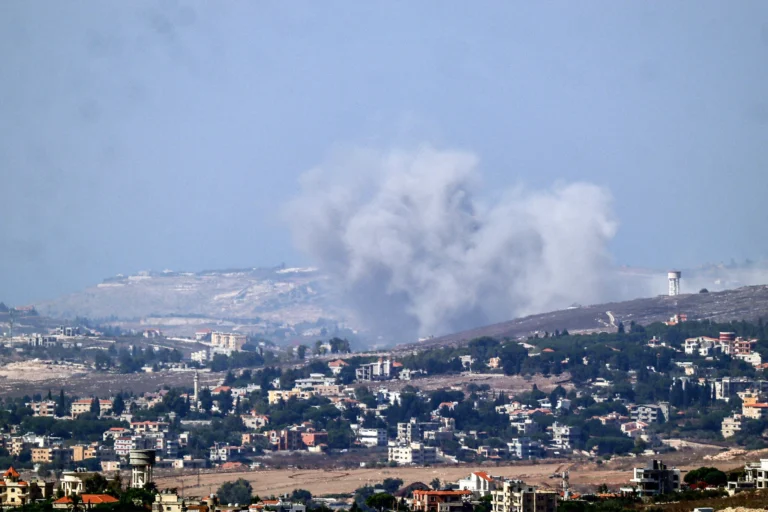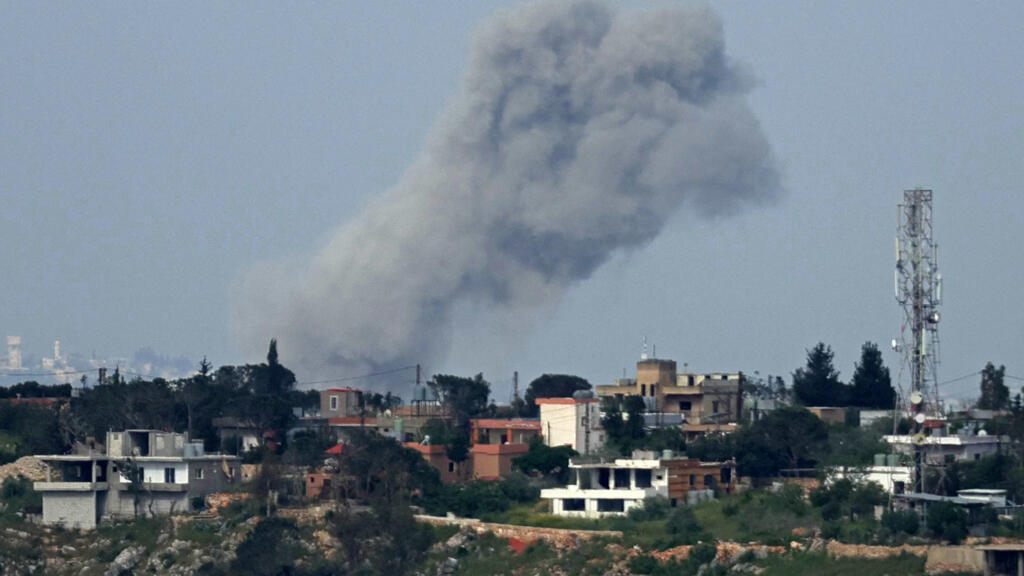
Israel conducted air strikes in southern Lebanon on Sunday, killing at least one person and wounding eight others, including four rescue workers. The Israeli strikes on southern Lebanon killed at least one person and wounded four rescuers. One strike on Arabsalim killed at least one individual and wounded three others, among them a child. Another Israeli strike targeted Srifa, wounding five people. Four of those injured in the Srifa incident were rescuers from the Hezbollah-affiliated Islamic Health Committee. This incident marks a significant escalation in the ongoing regional tensions.
Escalation Beyond Security Zone
The recent Israeli attack occurred outside the area designated by Israel as a "security zone." This particular attack took place beyond the Israel-controlled area designated as a “security zone,” indicating a potential expansion of military operations. In addition to the strikes, Israel's military issued new evacuation warnings targeting villages in southern Lebanon. These warnings specifically apply to areas situated beyond the territory currently occupied by Israel. The warning covers more than 10 villages and towns, including several in the district of Nabatieh. The evacuation warnings encompass more than 10 villages and towns. Several of these locations are within the district of Nabatieh, according to reports.
The broader regional context includes a ceasefire agreement between Israel and Hezbollah, which has remained in effect since April 17. Despite this ceasefire, the recent Israeli actions suggest a volatile security situation. Germany's Chancellor Friedrich Merz affirmed the fundamental role of the United States within the NATO alliance. Chancellor Merz stated that the United States is central to the NATO alliance, a statement that shows the importance of international partnerships amidst these regional challenges. This statement comes amidst ongoing regional tensions and discussions among international partners, noting the interconnectedness of global security concerns.
Broader Iran-US Standoff
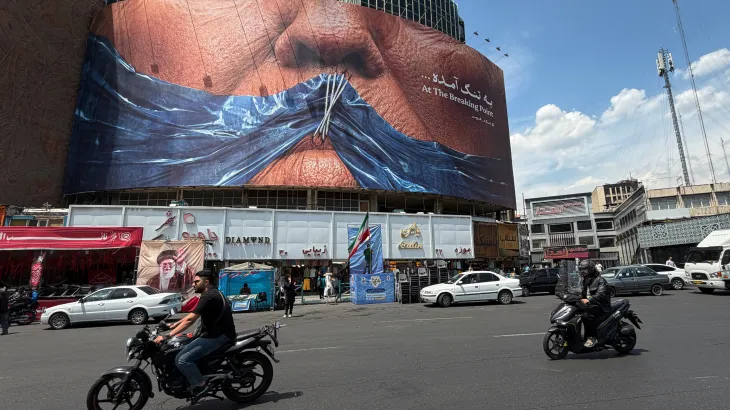
Negotiations between Iran and the United States have remained deadlocked since a ceasefire agreement came into effect on April 8. Iran's foreign ministry stated that Tehran had presented a 14-point plan "focused on ending the war." The ministry also claimed the United States was "suffocating" Iran's leadership through an "economic blockade," which it said was launched in conjunction with the US military offensive. This financial measure, known as the US Treasury's "Operation Epic Fury," supplements the Pentagon's "Operation Epic Fury," according to reports. The Iranian foreign ministry further elaborated that Tehran had submitted a 14-point plan "focused on ending the war," signaling its intent to de-escalate the conflict through diplomatic channels. However, the deadlock in negotiations suggests significant hurdles remain in achieving a lasting resolution.
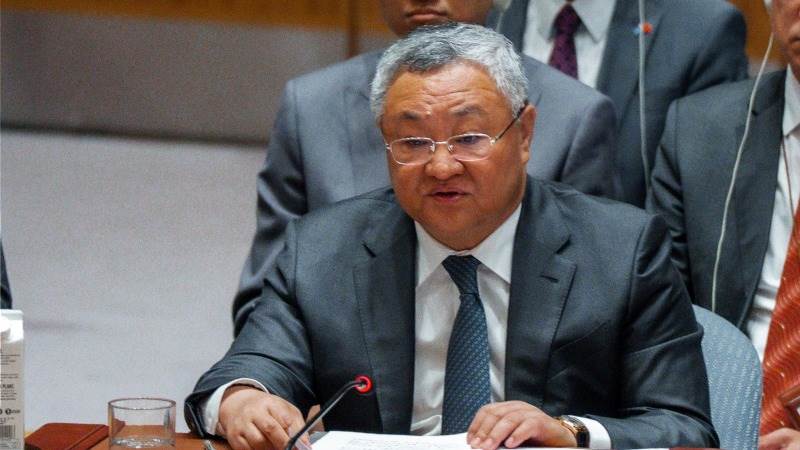
Amid these tensions, German Foreign Minister Johann Wadephul demanded that Iran reopen the Strait of Hormuz and abandon its nuclear weapons program. Wadephul emphasized Germany's stance, stating, "I emphasised that Germany supports a negotiated solution." He further clarified Germany's alignment with the United States on the issue, explaining, "As a close US ally, we share the same goal: Iran must completely and verifiably renounce nuclear weapons and immediately open the Strait of Hormuz, as also demanded by" US Secretary of State Marco Rubio. US Secretary of State Marco Rubio had also demanded that Iran open the Strait of Hormuz, reiterating a key international concern regarding the critical shipping lane. The consistent demand from both German and US officials notes the international community's unified stance on these critical issues. The Strait of Hormuz is a strategically vital chokepoint, accounting for 20 percent of global oil and gas supplies, which shows the international community's concerns about its free passage. The demands for its reopening reflect the significant economic and geopolitical implications of any disruption to this key waterway.
In a separate incident, a bulk carrier reported being attacked by multiple small craft while transiting north approximately 11 nautical miles west of Iran's Sirik. All crew members on the bulk carrier were reported safe, and no environmental impact from the incident was reported. All crew on the bulk carrier were safe and no environmental impact was reported, averting a potentially larger crisis in the sensitive maritime region.
France's President Emmanuel Macron engaged in discussions with Iraq’s new Prime Minister, Ali al-Zaidi. Following their conversation, President Macron showed the importance of Iraq's stability, stating, "A stable, sovereign Iraq that is fully in control of its own destiny is essential for the security of both the Middle East and Europe." These diplomatic exchanges occur against a backdrop of escalating regional complexities and international efforts to manage the broader standoff, reflecting the widespread concern among global leaders about the stability of the Middle East.
Regional Economic and Political Fallout
Ongoing conflict with Iran carries risks of higher inflation and economic damage, potentially limiting central bank guidance on rate policy, according to an unnamed claim. The longer the Iran war goes on, the greater the risks of higher inflation and economic damage, which limit how much guidance the central bank should provide on rate policy. This economic uncertainty adds another layer of complexity to the regional crisis. The Strait of Hormuz, a critical chokepoint, accounts for 20 percent of global oil and gas supplies. This makes the waterway strategically vital for global energy markets. US Treasury Secretary Scott Bessent stated that energy prices are expected to decline later in the year. Bessent also asserted, "We are suffocating the regime, and they are not able to pay their soldiers. This is a real economic blockade, and it is in all parts of government – all hands on deck." His comments show the US strategy of economic pressure against Iran.
Kuwait's oil production is projected to reach 2.628 million barrels per day in June. This projection provides insight into regional oil output amidst global energy concerns. Concurrently, seven major OPEC+ countries collectively increased their oil production quota for June by 188,000 barrels per day. This collective increase from the seven major OPEC+ countries aims to stabilize global oil markets. The United Arab Emirates withdrew from the OPEC+ body this week, a significant development in global oil politics. While the United Arab Emirates quit the OPEC+ body this week, the Abu Dhabi National Oil Company (ADNOC) pledged to invest $55 billion in new projects for the period of 2026-2028. This substantial investment by ADNOC signals long-term commitment to energy production and infrastructure. Inflation in Iran is currently surging past 50%. This surging inflation past 50% in Iran indicates severe economic strain within the country, likely exacerbated by international sanctions and regional instability. Separately, a French soldier was killed in Iraq on March 12, noting the ongoing security challenges in neighboring countries.
International and Human Rights Concerns
Jailed Nobel Peace Prize laureate Narges Mohammadi was in critical condition in a cardiac care unit in northwestern Iran. Mohammadi was transferred from prison to a hospital in Zanjan on Friday following a "catastrophic deterioration" of her health. Narges Mohammadi was transferred from prison to hospital in Zanjan on Friday following a "catastrophic deterioration" of her health, raising serious concerns about her well-being. She won the Nobel Peace Prize for her campaign to advance women's rights and abolish the death penalty in Iran. Mohammadi won the Nobel Peace Prize for a campaign to advance women's rights and abolish the death penalty in Iran, making her a prominent figure in human rights advocacy. Spain's foreign ministry called for the "immediate release" of a Spanish-Palestinian activist after an Israeli court extended his detention by two days. The ministry stated that Saif Abu Keshek is being "illegally detained." This call from Spain's foreign ministry notes international concerns over detention practices in the region. US Secretary of State Marco Rubio is expected to travel to Italy this week to meet with Pope Leo on Thursday. This upcoming diplomatic engagement shows the continued efforts by international actors to address multifaceted global and regional issues, including humanitarian concerns and diplomatic efforts to de-escalate conflicts.