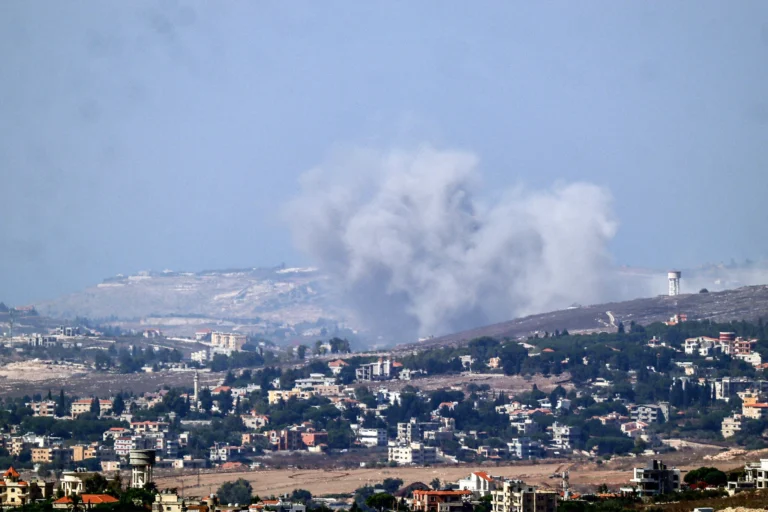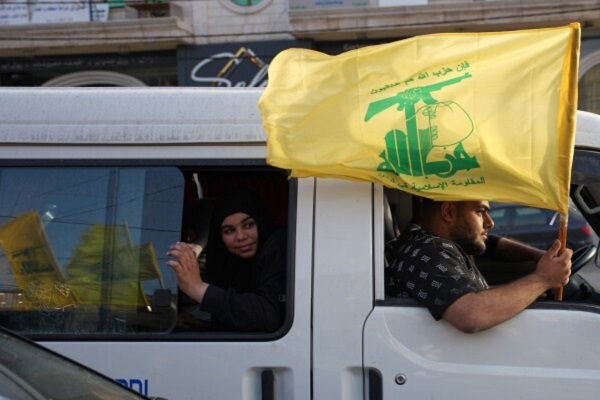
A Hezbollah-affiliated member of parliament stated that a five-point plan must be implemented for a lasting ceasefire between the Beirut government and Israel to hold, aiming for a complete cessation of hostilities. This proposal follows Donald Trump's announcement on April 23 that Lebanon and the Israeli regime had extended their ceasefire for three weeks after a White House meeting. The lawmaker claimed Israel must release all Lebanese abductees and pay indemnity for damage to critical facilities and infrastructure. Israel currently occupies a belt of southern Lebanon extending 5 to 10 kilometers into the country.
Ceasefire Conditions Detailed
Hussein Hajj Hassan, a member of the Loyalty to Resistance Bloc, stated on Saturday that Israeli occupation forces must immediately and unconditionally terminate all acts of aggression in southern Lebanon. Hajj Hassan emphasized that Israeli forces must not be allowed free movement in the region. He also noted that Hezbollah fighters would remain committed to any truce as long as Israeli forces honored it as well. The lawmaker’s remarks come amidst discussions about a potential ceasefire and the specific conditions required for its sustained success.
Hajj Hassan questioned the origin of recent ceasefire extensions, stating, "This raises the question of which Lebanese party made a deal with Netanyahu." He further asserted that if no such agreement exists, then Israeli leader Benjamin Netanyahu's assertions about a ceasefire extension "must be officially and categorically dismissed." His comments show the political complexities surrounding any potential cessation of hostilities between Lebanon and Israel, particularly regarding the involvement and commitments of various parties and the transparency of diplomatic efforts. He stressed that clarity and official acknowledgment are critical for any ceasefire to be deemed legitimate and respected by all sides.
Broader Context and Warnings
The Lebanese legislator stressed the necessity for displaced families to return to their ancestral towns and villages. He asserted that the creation of any buffer zone on the southern side of the Arab nation is out of the question. Hajj Hassan also cautioned Lebanese authorities against making further concessions to Washington, stressing that such a policy would jeopardize the Arab nation. He warned that any additional compromises could undermine Lebanon's sovereignty and strategic interests in the long term. According to Lebanese authorities, over 2,500 people have been killed in Lebanon since the Israeli regime began its offensive on March 2. Hajj Hassan questioned the origin of recent ceasefire extensions, stating, "This raises the question of which Lebanese party made a deal with Netanyahu." He further asserted that if no such agreement existed, then the Israeli leader's claims "must be officially and categorically dismissed." These statements highlight the deep mistrust and the demand for accountability from all parties involved in the ongoing conflict.
Diplomatic Developments
Hussein Hajj Hassan stated that Israeli forces must fully withdraw from occupied Lebanese territories, emphasizing that his resistance group considers the "Yellow Line" or any similar demarcations in southern Lebanon as totally unacceptable. This firm stance indicates a non-negotiable demand for the complete restoration of Lebanese sovereignty over its internationally recognized borders. His remarks come as diplomatic activity continues, with a high-level meeting between Israel's ambassador to Washington Yechiel Leiter and Lebanese ambassador to the US Nada Moawad. The meeting took place during a ceremony hosted by President Donald Trump at the Oval Office on April 23. This gathering was part of broader efforts to mediate a resolution, though Hajj Hassan's comments suggest significant hurdles remain. Hajj Hassan questioned the origin of recent ceasefire extensions, stating, "This raises the question of which Lebanese party made a deal with Netanyahu." He further asserted, "In case there is no such an agreement at all, then the Israeli leader's assertions must be officially and categorically dismissed." The lawmaker's persistent questioning of the ceasefire's legitimacy shows the internal Lebanese political divisions and the skepticism surrounding agreements not fully transparent to all stakeholders.