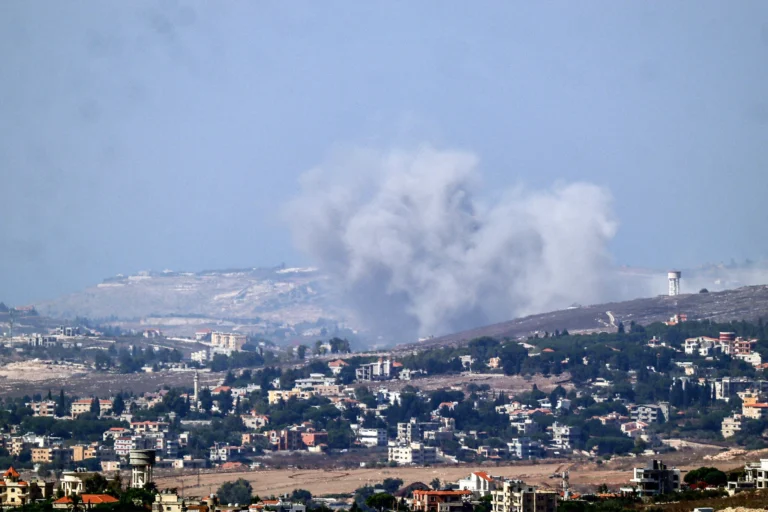
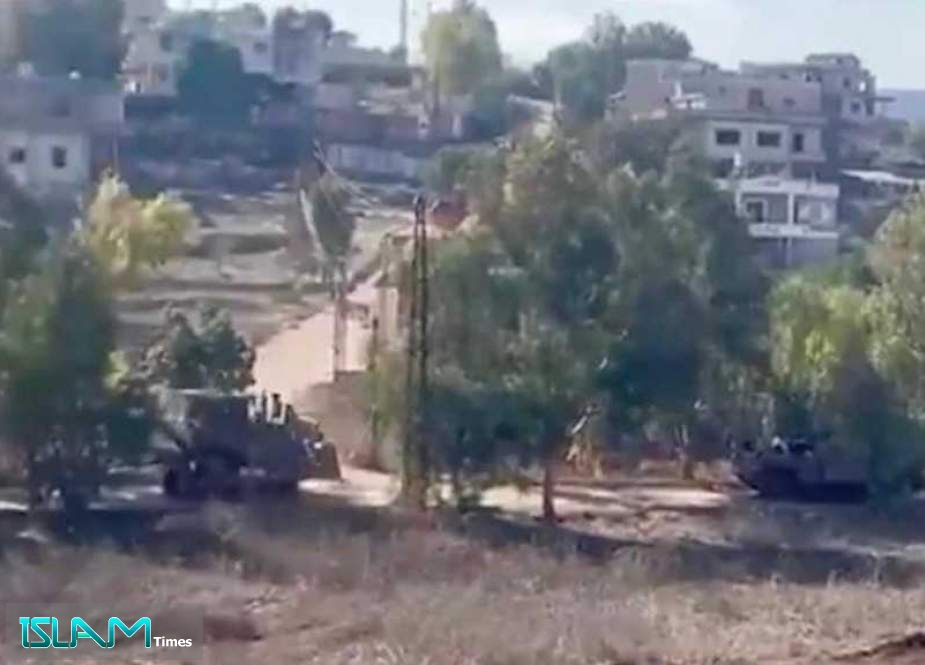
The Israeli military has ordered immediate evacuations for residents in 11 towns and villages across southern Lebanon, instructing them to move at least 1,000 meters away to open land. Some warnings extended to seven towns beyond a 'buffer zone' previously occupied by Israel. This comes as a U.S.-mediated ceasefire, in place since April 16, has been extended to mid-May. The Israeli military stated, "Hezbollah has violated the ceasefire agreement and we will act forcefully against it." Lebanon's health ministry reports that Israeli strikes have killed over 2,500 people since March 2, including 277 women, 177 children, and 100 medics. Hezbollah asserted that "it would not wait for diplomacy that has 'proven ineffective' or rely on Lebanese authorities that had 'failed to protect the country.'" Israel has confirmed one soldier killed and six wounded, with a total of 16 Israeli soldiers having died in Lebanon since March 2.
Evacuation Orders Issued
Residents in the towns of Al-Duwayr, Arab Salim, Al-Sharqiyah Al-Nabatiyya, Jebchit, Raashit, Sarifa, Dounin, Bariqah, Qaqaiyat Al-Jisr, Al-Qasiba Al-Nabatiyya, and Kfar Sir have been named for evacuation. Warnings to flee have been delivered suddenly via texts, automated calls, and social media maps from an Israeli military spokesperson. Some Israeli maps cover broad swaths of Lebanon, while others show specific buildings. Since April 17, seven Israeli alerts have covered over 50 towns in southern Lebanon. Lieutenant Colonel Avichay Adraee posted urgent warnings on 26 occasions between 10:30 p.m. And 6:30 a.m. On April 4. Mohammad Shahadat returned to his hometown of Shaqra after a week into the ceasefire, only to flee again days later after another Israeli warning, stating, "We didn’t know where to go." The military reported striking Hezbollah fighters, rocket launchers, and a weapons depot. Hezbollah stated it "would not wait for diplomacy that has 'proven ineffective' or rely on Lebanese authorities that had 'failed to protect the country.'"
Escalating Cross-Border Conflict
The Israeli military stated that "Hezbollah has violated the ceasefire agreement and we will act forcefully against it." Al Jazeera Arabic reported that Israeli artillery shelling targeted the outskirts of Zawtar al-Sharqiya and Mayfadoun following these warnings. Lebanon's health ministry reported that Israeli strikes killed 14 people and wounded 37 on Sunday, a toll that included two children and two women. Israel confirmed one of its soldiers was also killed. Earlier on Sunday, Hezbollah stated it had attacked Israeli troops inside Lebanon, as well as the rescue force that came to evacuate them. The Israeli military said it had intercepted three drones before they crossed into Israeli territory on Sunday. Hezbollah attacks have killed two civilians in Israel. The latest war erupted on March 2, when Hezbollah launched a surprise barrage of missiles into northern Israel. Sometimes there is no warning at all before strikes, according to reports. Hezbollah asserted that "it would not wait for diplomacy that has 'proven ineffective' or rely on Lebanese authorities that had 'failed to protect the country.'"
Concerns Over Civilian Safety
The towns subject to evacuation orders are situated north of the Litani River and the zone in southern Lebanon occupied by Israeli troops. Hezbollah stated it would not cease attacks on Israeli troops inside Lebanon and on towns in northern Israel as long as Israel continued its 'ceasefire violations.' Lebanon, however, lacks air raid sirens, missile defenses, or designated bomb shelters, raising concerns for its civilian population. Israel maintains that Hezbollah has positioned fighters, tunnels, and weapons in civilian areas across southern Lebanon. International law experts have noted that Israel's warnings are often inconsistent, overly broad, and open-ended. Israel has announced plans to occupy a six-mile wide buffer zone along the border. On April 8, Israel struck a hundred targets in rapid succession, killing more than 350 people, including in downtown Beirut, with no warning. Over 100 of those killed were women and children. One target hit without warning was a neighboring Shiite mosque where displaced individuals were taking showers. Roland Abi Najem suggests the Israeli military benefits from the chaos, which contributes to a mass exodus.
Broader Context and History
Israel has posted 132 online alerts since March 2, contributing to a pattern of warnings. Earlier this month, Israel warned it would attack the main border crossing between Lebanon and Syria, forcing it to close for several days, though the strike ultimately did not occur.