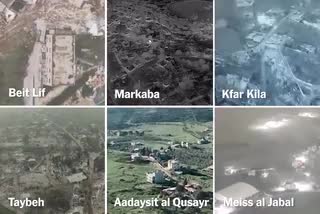
Israel has applied tactics in Lebanon that mirror those previously used in Gaza, according to reports. The war between Israel and Hezbollah reignited in early March, with Israel relaunching its ground offensive in southern Lebanon nearly two months later. The Israeli military stated its troops were operating “in accordance with international law.” This assertion comes amidst growing international scrutiny of the methods employed in the ongoing conflict. The application of tactics in Lebanon modeled on those used in Gaza has drawn particular attention from observers and human rights organizations.
Widespread Destruction and Displacement
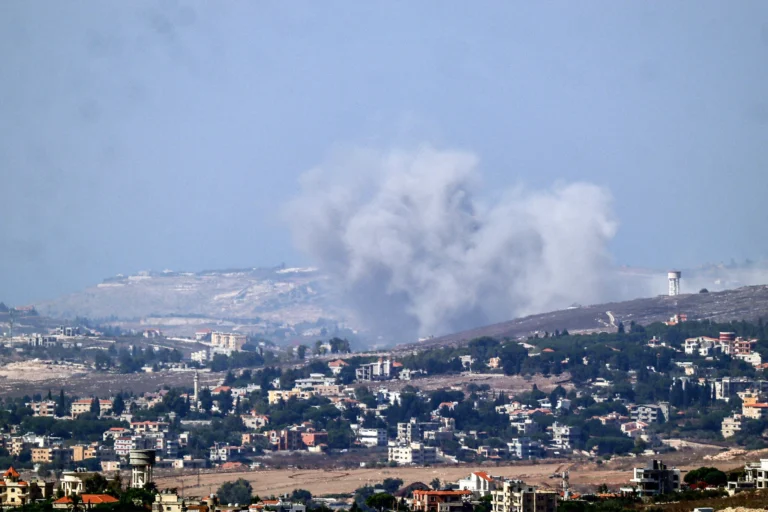
Widespread demolitions have flattened expanses of at least two dozen towns and villages near the border in southern Lebanon. The town of Bint Jbeil, a known Hezbollah stronghold, has been heavily destroyed, with significant damage observed across its infrastructure. This destruction extends beyond residential areas, encompassing government offices, schools, hospitals, and mosques, according to reports. The scale of damage to essential public services and community facilities in places like Bint Jbeil notes the extensive impact on civilian life. Visual evidence, including videos and photographs, documents extensive demolitions carried out by bulldozers and excavators in many of the heavily damaged areas near the border, providing concrete proof of the widespread destruction. These images reveal a systematic approach to demolition, contributing to concerns about the long-term habitability of these regions.
Since the beginning of the conflict, Israeli strikes have resulted in the deaths of more than 2,600 people in Lebanon. This significant casualty count shows the intensity and devastating impact of the hostilities on the civilian population. The scale of the violence has also led to a significant humanitarian crisis, with more than a million individuals displaced from their homes across the country. The displacement of such a large population creates immense challenges for humanitarian aid efforts and places severe strain on Lebanon's resources. Many of those displaced have sought refuge in other parts of Lebanon, often in already overburdened areas, exacerbating existing social and economic pressures.
Further reports indicate that Israel has communicated to some Christian and Druze residents in southern towns that they may remain if they expel their Shiite Muslim neighbors. This reported directive has raised serious concerns about potential sectarian divisions and ethnic cleansing, drawing condemnation from human rights groups. Such actions, if confirmed, would represent a profound violation of international humanitarian law, which prohibits discrimination and forced displacement based on religious or ethnic identity. The implications of such a policy for social cohesion and future stability in southern Lebanon are substantial, potentially leading to long-term community fragmentation.
Military Justifications and Legal Scrutiny
The Israeli military stated it is targeting infrastructure and positions belonging to Hezbollah. Israel further asserted its operations are aimed at dismantling Hezbollah’s military infrastructure, which it claims is embedded in civilian areas. The Israeli military clarified that its directives permit the demolition of structures used for Hezbollah’s military purposes or when deemed operationally necessary. This operational necessity, according to the military, can include clearing areas for troop movement or securing strategic positions. The Israeli military has maintained that its actions are in accordance with international law, focusing on what it describes as legitimate military targets. This claim is central to Israel's defense of its operations, emphasizing adherence to legal frameworks governing armed conflict.
Hezbollah has consistently denied placing military assets among civilians. The group's long-standing position is that its military infrastructure is separate from civilian populations, directly contradicting Israeli claims. Despite these claims and counter-claims, the fighting has continued. A U.S.-mediated cease-fire, which was extended through mid-May, has not halted the hostilities. Reports from the region indicate ongoing military actions from both sides, even with diplomatic efforts to de-escalate the conflict. The persistent fighting, despite diplomatic interventions, notes the deep-seated nature of the conflict and the challenges in achieving a lasting cessation of hostilities.
This operational approach has drawn scrutiny from various international bodies and human rights organizations, particularly given the extensive damage and displacement reported in southern Lebanon. The continued destruction of infrastructure and residential areas raises questions about proportionality and the distinction between military and civilian targets. The protracted nature of the conflict, coupled with the Israeli military's stated objectives and rules of engagement, shows the ongoing legal debate surrounding the offensive. Legal experts and human rights activists assert that the deliberate targeting or destruction of civilian infrastructure without a clear and valid military justification constitutes a war crime under international law. This legal interpretation places a heavy burden on Israel to demonstrate the military necessity behind each demolition and act of destruction. The justifications provided by Israel for its actions are being weighed against the civilian impact and the scale of destruction observed on the ground, creating a significant point of contention in international discourse.
Humanitarian Impact and Expert Warnings
The destruction observed in southern Lebanon reportedly mirrors tactics employed in Gaza, leaving extensive areas uninhabitable and preventing displaced populations from returning home. This pattern of destruction, which has been widely documented in Gaza, raises concerns that entire communities in southern Lebanon could face similar long-term displacement and loss of livelihood. The mirroring of these tactics suggests a deliberate strategy aimed at creating uninhabitable zones, which has severe humanitarian consequences.
An incident near the town of Debl noted concerns regarding civilian infrastructure. Solar panels in the area, which had provided the town with electricity and powered its water station, were reportedly damaged. The damage to these essential facilities directly impacts the daily lives of residents, affecting access to basic services like power and clean water. Following this event, the Israeli military stated that command measures were taken against reserve soldiers involved in the incident. This acknowledgment of disciplinary action suggests an internal recognition of potential misconduct or deviation from operational guidelines, even if the full extent of the incident's legality remains under debate.
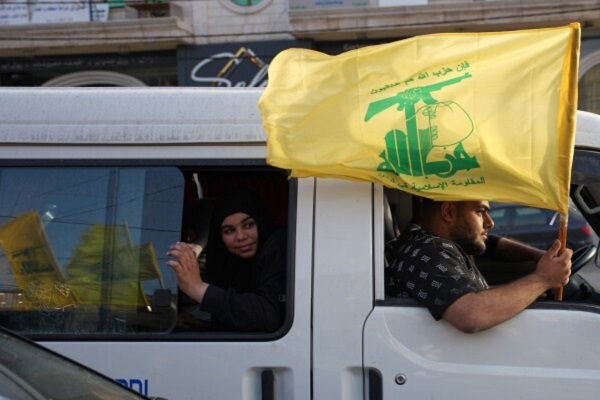
Hezbollah's actions have also contributed to the ongoing hostilities, with reports indicating the group attacked Israel in solidarity with Iran. This solidarity attack shows the broader regional implications of the conflict and the interconnectedness of various actors in the Middle East. Since early March, Hezbollah has launched hundreds of drones, rockets, and anti-tank missiles targeting Israeli territory. These attacks represent a significant and sustained threat to Israeli communities near the border. These actions have resulted in the deaths of at least 17 Israeli soldiers during the same period, noting the dangers faced by Israeli military personnel. The constant barrage of projectiles from Hezbollah has also led to significant disruption and displacement for Israeli civilians in border areas.
In response to the conflict, Israel has established a several-mile-deep "buffer zone" within southern Lebanon. This zone, created through military operations, aims to push Hezbollah forces further away from the Israeli border, but it has significant implications for Lebanese sovereignty and civilian populations. This buffer zone has further complicated humanitarian efforts and displacement issues, as access to and from these areas becomes severely restricted. The extensive damage to infrastructure and homes, coupled with ongoing military operations, has exacerbated the humanitarian crisis, raising questions about the long-term viability of communities in the affected border regions. The creation of such a zone, often involving the destruction of existing structures and preventing return, raises further concerns about the legality and proportionality of Israel's actions under international law. The pattern of destruction and displacement has drawn scrutiny from international bodies monitoring adherence to the laws of armed conflict. The implications for civilians remain a central concern as the conflict continues, with the long-term prospects for recovery and return appearing increasingly bleak for those affected.