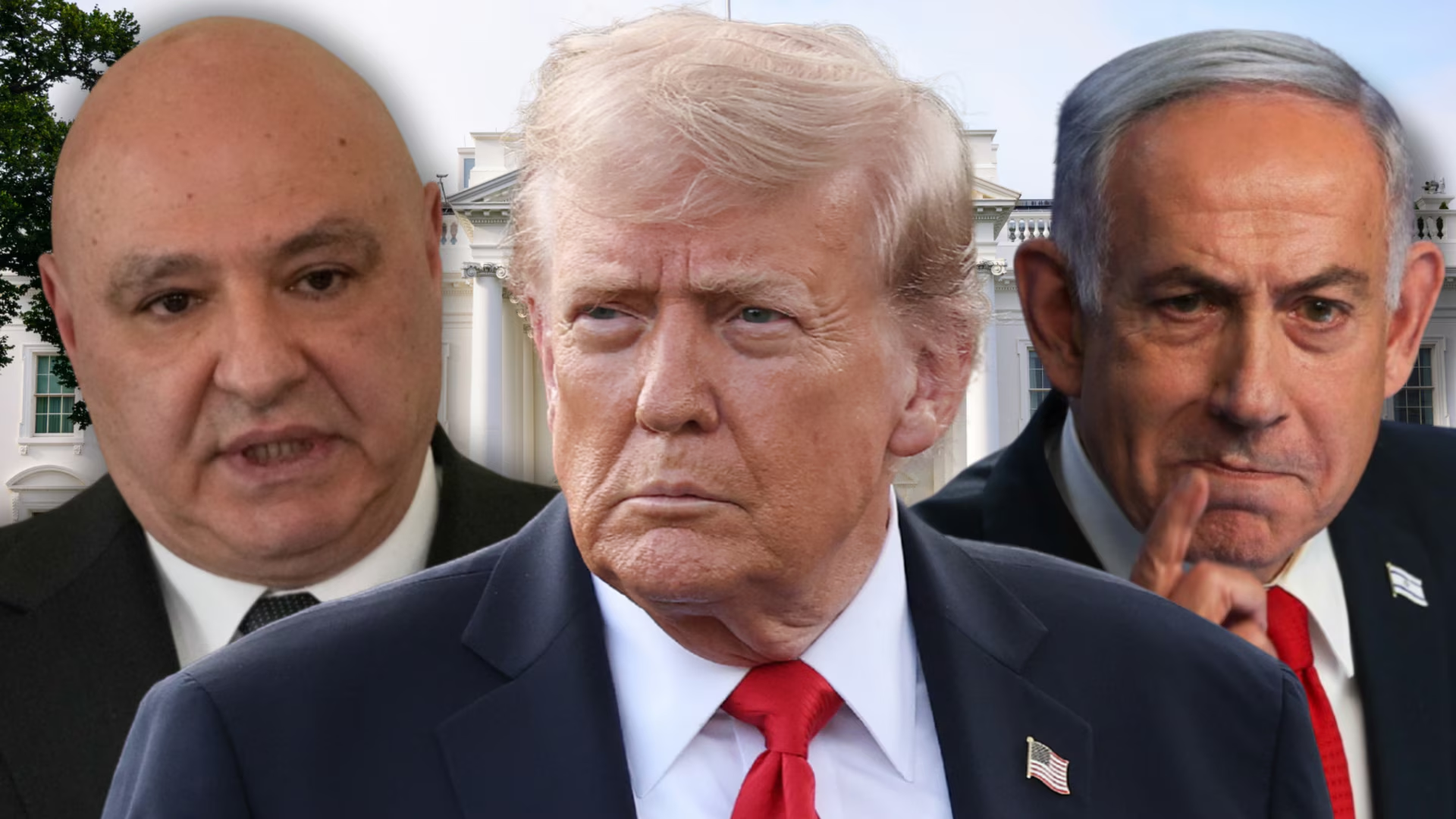
The United States has urged Lebanese President Joseph Aoun on Thursday to meet directly with Israeli Prime Minister Benjamin Netanyahu, with the US Embassy in Beirut and the Trump administration actively working to advance a diplomatic track between Israel and Lebanon. It has been suggested that a potential landmark summit hosted by US President Donald Trump could benefit all involved parties, offering a unique opportunity for progress. Washington is pressing Beirut and Jerusalem to transition from a fragile ceasefire with Hezbollah toward a more durable security arrangement, according to the US Embassy in Lebanon. Such a meeting, the embassy further stated, could help secure Lebanon’s territorial integrity, including a potential withdrawal of Israeli forces. This diplomatic initiative shows a concerted effort by the Trump administration to foster stability and address long-standing tensions in the region.
The US Embassy in Beirut stated, "A direct meeting between President Aoun and Prime Minister Netanyahu, facilitated by US President Donald Trump, would give Lebanon the chance to secure concrete guarantees on full sovereignty, territorial integrity, secure borders, humanitarian and reconstruction support, and the complete restoration of Lebanese state authority over every inch of its territory - guaranteed by the United States." The embassy added that Lebanon stood "at a crossroads," and direct engagement with Israel "can mark the beginning of a national revival." This strong endorsement from the US notes the perceived urgency and potential benefits of such high-level discussions. The full nature of the guarantees offered aims to address many of Lebanon's core concerns regarding its national security and economic future.
Lebanon at a Crossroads
The US Embassy in Beirut stated that Lebanon stood "at a crossroads," emphasizing that direct engagement with Israel "can mark the beginning of a national revival." This sentiment reflects the significant challenges and opportunities facing Lebanon. For Lebanon, key demands in any potential negotiations include an Israeli pullout from Lebanese territory, the release of Lebanese prisoners, significant reconstruction aid, and the restoration of full state control over South Lebanon, displacing Hezbollah's influence. These demands represent critical aspirations for Lebanon to reassert its sovereignty and rebuild its infrastructure. Lebanese President Joseph Aoun and Prime Minister Nawaf Salam have both expressed interest in negotiations aimed at stabilizing the border region and re-establishing state authority. Such discussions are seen as key for addressing long-standing issues and securing Lebanon's sovereignty, potentially leading to a more peaceful and prosperous future for the nation. The prospect of reconstruction aid, in particular, could be a powerful incentive for a country grappling with economic difficulties.
Complex Geopolitical Landscape
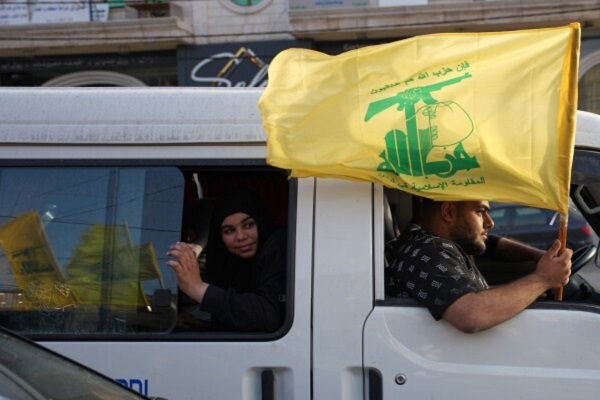
Lebanon and Israel have maintained no formal diplomatic relations for decades and remain technically at war, according to reports. This state of technical belligerence has deeply shaped the security dynamics of the region. A 1949 armistice agreement has historically governed the framework for their shared border, but its provisions have often been tested and challenged. Hezbollah’s military presence in southern Lebanon has consistently been a source of conflict with Israel, leading to repeated escalations. Israel has stated that its operations in Lebanon are intended to prevent Hezbollah from rebuilding positions near the border and threatening northern Israeli communities, citing national security imperatives. US officials have described Lebanon’s disarmament of Hezbollah as a central component to any lasting deal between the two nations, viewing it as essential for long-term stability. The presence of Hezbollah's armed wing complicates any peace efforts, as it operates as a powerful non-state actor with significant influence in Lebanese politics and security. Any full agreement would likely need to address this complex issue to achieve lasting peace.
Internal Divisions and Hurdles
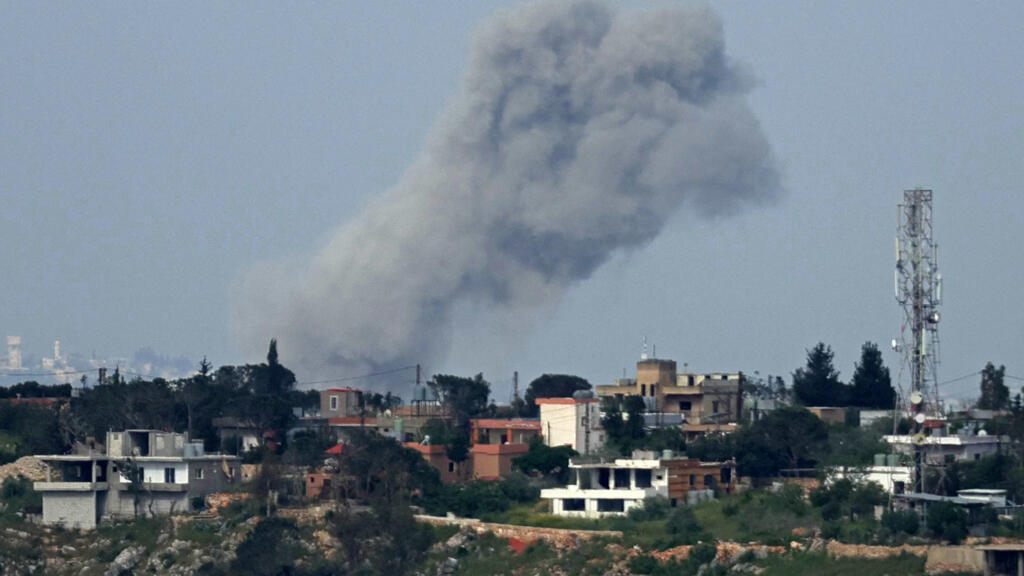
Lebanon's leadership remains divided over the prospect of talks with Israel. It is also uncertain whether President Aoun would attend a potential summit amid continued Israeli strikes, which present a significant political and security challenge. Parliament Speaker Nabih Berri, a Hezbollah ally, has opposed full normalization with Israel. Instead, Mr. Berri has pushed for a narrower nonaggression arrangement between the two countries, indicating a preference for a more limited de-escalation rather than a full diplomatic breakthrough. It remains uncertain whether Hezbollah would agree to and uphold a ceasefire even if Israel were to withdraw forces following such a meeting, raising concerns about the practical implementation and durability of any agreement. These internal divisions within Lebanon present significant hurdles to the United States' diplomatic push for a breakthrough, as a unified Lebanese front is essential for credible negotiations. The differing stances among key Lebanese political figures complicate efforts to achieve a unified approach to negotiations with Israel, potentially impacting the feasibility and longevity of any proposed agreement. Overcoming these domestic political obstacles will be a critical factor in determining the success of the US-led diplomatic initiative.