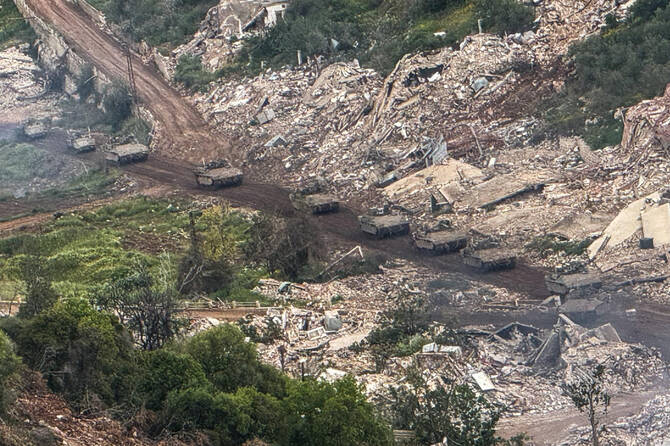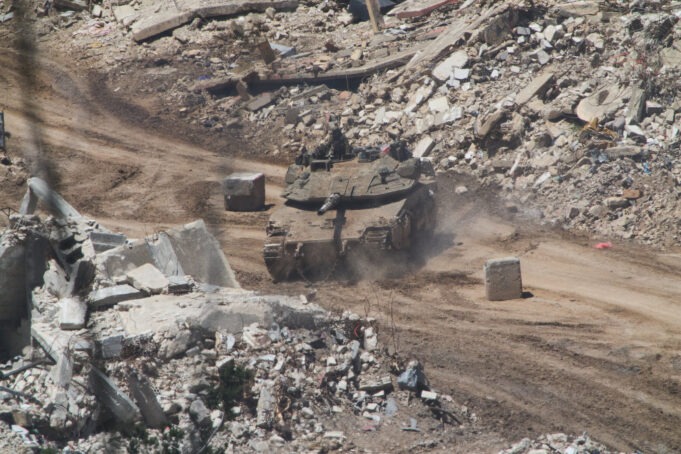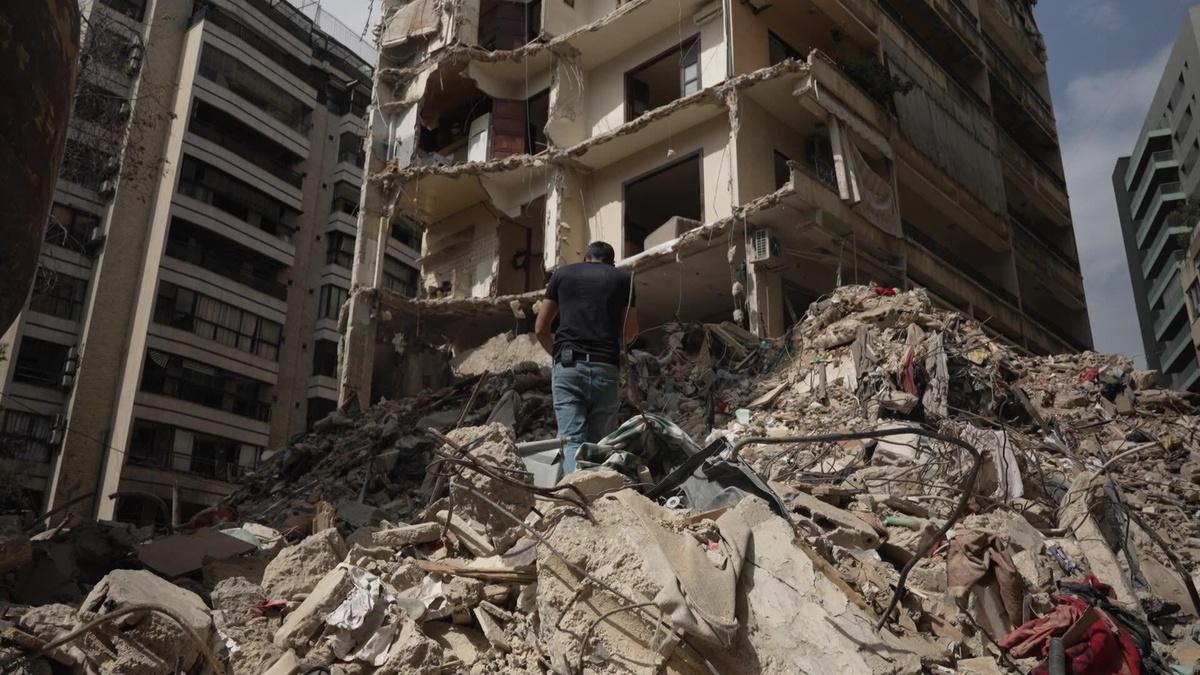
Four weeks ago, Lebanon experienced its deadliest day in the ongoing Israel-Hezbollah war, a series of Israeli strikes dubbed "Black Wednesday." Tomorrow marks four weeks since that devastating day, known in Lebanon as 'Black Wednesday.' The aerial campaign killed more than 350 people in a matter of minutes, with Lebanon reporting at least 182 killed and hundreds wounded. Reports indicated that a ceasefire had been announced just hours before the strikes commenced. This marked the deadliest day in the latest Israel-Hezbollah war. Israel's military described the attack as its largest coordinated strike in the current conflict, targeting over 100 Hezbollah sites within 10 minutes across Beirut, southern Lebanon, and the eastern Bekaa Valley. Israel’s military called it its largest coordinated strike in the current war, hitting more than 100 Hezbollah targets within 10 minutes in Beirut, southern Lebanon and the eastern Bekaa Valley.
Unprecedented Assault on Beirut
Associated Press journalists reported observing charred bodies in vehicles and on the ground at one of Beirut’s busiest intersections in the central Corniche al Mazraa neighborhood following the Israeli strikes. Associated Press journalists saw charred bodies in vehicles and on the ground at one of Beirut’s busiest intersections in the central Corniche al Mazraa neighborhood. Central Beirut has been targeted previously in the conflict, but not with such a high volume of strikes simultaneously and during daylight hours. Central Beirut has been targeted before, but not by so many strikes at once and in the middle of the day. Israel had rarely launched strikes into central Beirut since the commencement of the latest Israel-Hezbollah war on March 2. Israel had rarely struck central Beirut since the outbreak of the latest Israel-Hezbollah war on March 2. The Israeli military stated its intent was to target Hezbollah militants during the assault. The Israeli military claimed to be targeting Hezbollah militants. This recent operation follows a 2024 Israeli airstrike that killed Hezbollah’s previous leader, Hassan Nasrallah.
Ceasefire Shattered, War Escalates
Israel had previously stated that a broader agreement did not extend to its conflict with the Iran-backed Hezbollah. Israel had said the agreement does not extend to its war with the Iran-backed Hezbollah. Days after the United States and Israel attacked Iran on February 28, Hezbollah had fired missiles across the border. Hezbollah had fired missiles across the border days after the United States and Israel attacked Iran on Feb. 28. U.S. President Donald Trump indicated to PBS News Hour that Lebanon was not included in the deal due to the Lebanese militant Hezbollah group. U.S. President Donald Trump told PBS News Hour that Lebanon was not included in the deal because of the Lebanese militant Hezbollah group. Donald Trump called the strikes 'That’s a separate skirmish.' Trump described the strikes as "That’s a separate skirmish." In response to the assaults on Lebanon, Iran announced later on Wednesday that it was again halting the movement of oil tankers in the Strait of Hormuz. In response to the attacks on Lebanon, Iran later Wednesday said it was again halting the movement of oil tankers in the Strait of Hormuz.
Israel Katz, a senior official, characterized Wednesday's strikes as the most significant blow against Hezbollah since the September 2024 attack that caused pagers used by hundreds of its members to explode almost simultaneously. Katz called Wednesday’s strikes the largest blow against Hezbollah since the attack that caused pagers used by hundreds of its members to explode almost simultaneously in September 2024. The Israeli military has reported killing hundreds of Hezbollah fighters in the ongoing conflict. The Israeli military has said it has killed hundreds of Hezbollah fighters.
Humanitarian Toll and Displacement
Israeli strikes hit busy commercial and residential areas in central Beirut without warning on Wednesday, following an unprecedented aerial campaign launched by the Israeli military on April 8. Reports indicated that 1,739 people have been killed and 5,873 wounded in Lebanon in just over five weeks since the outbreak of the war. Altogether, 1,739 people have been killed and 5,873 wounded in Lebanon in just over five weeks since the outbreak of the war. More than 1 million people have been displaced across Lebanon. More than 1 million people have been displaced in Lebanon. Early Wednesday, after the Iran ceasefire was announced and before Israel struck, many displaced people sleeping in tents on the streets of Beirut and the coastal city of Sidon had begun packing their belongings in preparation to return home. The humanitarian situation had been compounded by the ongoing conflict, with the displacement figures reflecting the widespread impact on civilian populations. This section was aired on May 5, 2026.