Montclair resident Hala Ghanem, who moved to the United States in 2007, reported that her family’s ancestral home and village in Naqoura, southern Lebanon, has been destroyed amid ongoing conflict. Ghanem’s family, which has lived in the village for over 600 years, lost their three-story coastal residence, built from pale limestone and topped with terracotta tiles, to bombings. Naqoura was struck repeatedly during the conflict, suffering extensive damage. The destruction of the family's home represents a profound loss of heritage and personal history for Ghanem and her relatives.
Ghanem’s parents survived a bombing near their home on April 8, 2026, a harrowing incident that showed the immediate dangers faced by civilians in the region. Although they initially escaped harm, reports indicated the family's part-time home has since been destroyed by bombs. According to Ghanem, Israeli forces have bombed and bulldozed towns and villages across southern Lebanon, systematically dismantling infrastructure and residential areas. The scale of the devastation has left many residents without homes or a place to return to.
"My village is very dear to me. All my core memories are there — by the sea, on that land," Ghanem stated, conveying the deep emotional connection she holds for her ancestral home. She added, "Everyone lost their home. There’s not a single member now who has their home. It’s completely rubble." Ghanem further explained the resilience of their family residence, noting, "Our house survived in the beginning because it’s a strongly built home. A few days ago, we did a satellite image. It’s totally rubble. It looks like they detonated it. There is no house standing anymore." This observation suggests a deliberate and thorough destruction of the property.
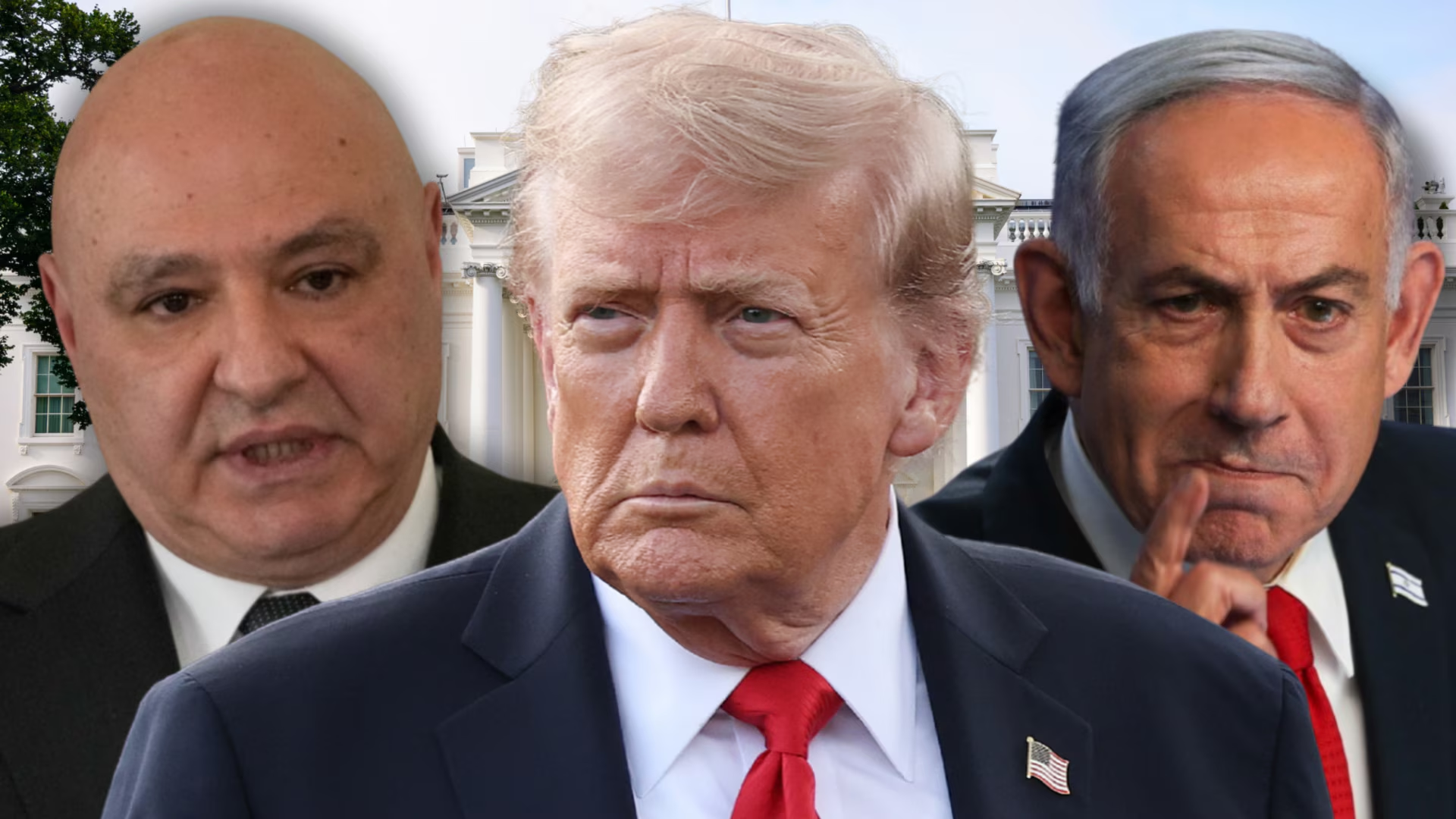
A ceasefire took effect on April 16, 2026, offering a brief respite from the intense fighting. This initial ceasefire was later extended by three weeks, with US President Donald Trump extending the agreement between the countries that had been due to expire on April 22. President Trump affirmed "the United States is going to work with Lebanon in order to help it protect itself from Hezbollah," noting his "great relationship" with the country. This diplomatic intervention noted international efforts to de-escalate the conflict and address the underlying tensions. Despite the ceasefire, the widespread destruction left a lasting impact on communities like Naqoura. Ghanem expressed a strong desire to return, stating, "It’s the only place in the world where we southern Lebanese feel at home," reflecting a common sentiment among displaced residents who yearn for their ancestral lands.
Escalation and Destruction
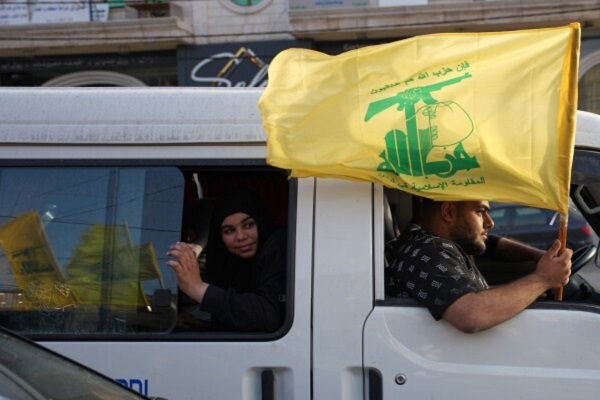
War reignited in March 2026, contributing to a significant escalation in the region following a period of relative calm. This resurgence of hostilities shattered a fragile peace that had been in place. The United Nations reported that Israel violated a late 2024 ceasefire agreement almost daily over the subsequent 15 months, indicating a persistent pattern of breaches that undermined stability. Lebanese authorities stated that Israeli attacks had killed more than 2,600 people since March 2, 2026, painting a grim picture of the human cost of the conflict. During the same period, Israeli officials indicated that 17 soldiers and two civilians were killed by Hezbollah, noting casualties on both sides of the escalating confrontation.
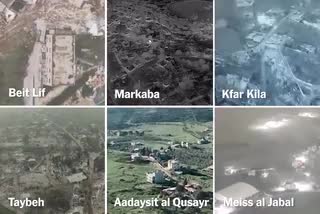
The renewed conflict led to widespread displacement within Lebanon, creating a severe humanitarian crisis. Approximately 1.2 million people were displaced inside Lebanon in March 2026 alone, forced to abandon their homes and livelihoods in search of safety. Lebanese officials also reported that more than 62,000 housing units have been damaged or destroyed, showing the extensive damage to civilian infrastructure. The Center for Information Resilience has documented what it describes as the "systematic destruction" of villages in southern Lebanon, suggesting a deliberate strategy of widespread damage rather than isolated incidents. This documentation provides critical evidence of the scale and nature of the devastation.
Recent events included Israeli strikes on a Sunday that killed 14 people, including two children and two women, and injured 37, according to Lebanon's Ministry of Health. These strikes caused significant civilian casualties, drawing condemnation from international bodies. An Israel Defense Forces (IDF) spokesperson issued evacuation warnings for several villages located in southern Lebanon, advising residents to leave their homes ahead of anticipated military operations. The IDF further stated that it conducted artillery and aerial strikes targeting Hezbollah operatives and their sites in southern Lebanon, asserting that these actions were aimed at military targets.
Israeli Strategy and Buffer Zone
Israeli leaders have stated their intention to establish a "buffer zone," which they claim is necessary to protect Israeli citizens from Hezbollah rocket fire. This strategy involves creating a security perimeter along the border to mitigate threats. This approach has resulted in residents of 55 villages located within the Israeli military zone being instructed not to return to their homes, effectively displacing entire communities and preventing them from accessing their properties. The creation of such a zone raises significant concerns about the rights of displaced populations and the long-term geopolitical implications.
Israeli Defense Minister Israel Katz affirmed that Israel intends to maintain control of this "security zone" until the threat posed by Hezbollah is eliminated. This declaration signals a long-term commitment to the strategy, potentially extending the period of displacement for Lebanese villagers. Katz also indicated that tactics previously employed in Gaza would be applied in Lebanon, suggesting a continuation of intensive military operations and a strong response to perceived threats. This statement has sparked fears among humanitarian organizations and residents about the potential for further widespread destruction and civilian casualties.
The Israel Defense Forces (IDF) conducted strikes on Hezbollah "military structures" overnight, according to reports, indicating ongoing military activity despite diplomatic efforts. These operations are part of Israel's stated objective to degrade Hezbollah's capabilities. On Saturday, Israeli Prime Minister Benjamin Netanyahu issued an order to the Israeli military to "vigorously attack Hezbollah targets" in Lebanon, reinforcing the government's resolve to counter the group. These actions coincided with at least six people being killed in strikes on southern Lebanon on Saturday, noting the immediate and deadly consequences of the continued military engagements.
Humanitarian Concerns and Displacement
UN experts stated that the deliberate destruction of homes, forced displacement, and the killing of more than 100 medics and emergency workers may constitute "serious violations of international humanitarian law." These allegations show the grave concerns raised by international bodies regarding the conduct of the conflict and its impact on civilians and humanitarian personnel. Such violations, if confirmed, could lead to calls for accountability and further international scrutiny.
Alongside the broader destruction, reports indicated that a mosque and a school built by Hala Ghanem's father are no longer standing, representing the loss of community infrastructure and places of worship and education. The fishing port where her grandfather once worked has also been bombed, according to reports, destroying a vital economic lifeline for many families in the coastal region. Additionally, hundreds of the family’s citrus trees have been bulldozed, eliminating a significant source of income and a part of the agricultural landscape. These specific losses illustrate the full nature of the destruction, affecting not only homes but also cultural, economic, and environmental assets.
In a separate incident, a 19-year-old Israel Defense Forces (IDF) soldier was killed, and six others were injured by a Hezbollah drone attack in Lebanon, according to reports. This attack demonstrates the ongoing threat faced by Israeli forces and the sophisticated weaponry employed by Hezbollah. Hezbollah launched three drones towards Israel, which were intercepted by Israel's air force before they crossed the border, showcasing the defensive capabilities deployed to protect Israeli airspace. The IDF accused Hezbollah of launching two explosive unmanned aerial vehicles (UAVs) towards Israel, emphasizing the offensive nature of these drone operations and the continuous cross-border hostilities.
Diplomatic Efforts and Future
The United States hosted talks between Israel and Lebanon in Washington on April 23, 2026, aimed at de-escalation. These high-level diplomatic discussions represent a key effort to find a political solution to the ongoing conflict and prevent further escalation. The involvement of the United States shows the international community's concern over the stability of the region.
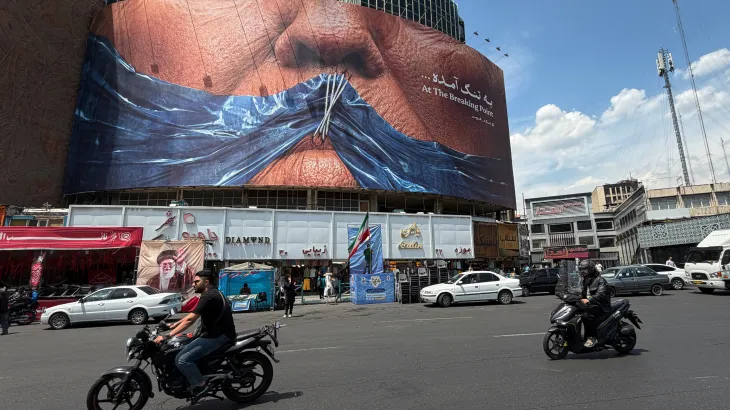
Meanwhile, Iran's Foreign Minister, Abbas Araghchi, returned to Pakistan on Sunday, indicating diplomatic activity involving regional powers. Iran's engagement notes the broader regional dynamics influencing the conflict and the potential for wider diplomatic initiatives. Araghchi stated that he had "yet to see" a clear path forward regarding the ongoing conflict, reflecting the complexity and entrenched nature of the issues at hand. These diplomatic efforts come as the region grapples with the aftermath of renewed hostilities and widespread displacement in southern Lebanon, with many uncertainties remaining about the long-term prospects for peace and reconstruction. The scale of humanitarian need and the deep-seated political divisions continue to pose significant challenges to achieving a lasting resolution.