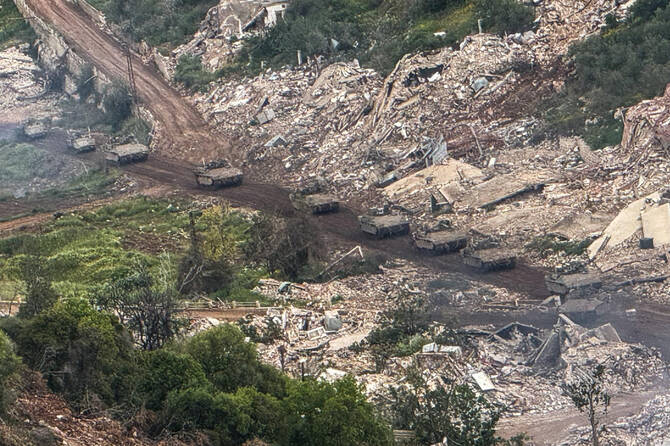
Israel has continued to carry out deadly strikes on Lebanon, despite an April 17 ceasefire intended to halt more than six weeks of conflict between its military and Hezbollah. In southern Lebanon near the Israeli border, the Israeli army has demolished buildings and prevented residents of dozens of towns from returning. Lebanese official media said Israel's military began striking the country's south on Sunday after issuing an evacuation warning for seven locations, with the Israeli military issuing a similar warning for seven towns north of the Litani river. On Monday, further Israeli army strikes followed a new evacuation order for residents of four southern Lebanese towns.
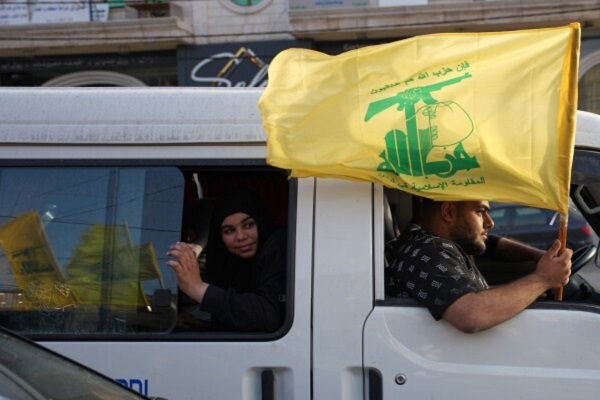
Hezbollah leader Naim Qassem, in a statement broadcast by Al-Manar TV channel, asserted that "there is no ceasefire in Lebanon, but a continuous Israeli-American aggression." Mr. Qassem stated that "Lebanon is the victim of aggression, and it is Lebanon that needs guarantees for its security and sovereignty." He added that "direct negotiations are a gratuitous concession, without results," urging, "So do not betray the resistance." According to the Lebanese health ministry, the death toll from Israeli strikes on Lebanon has risen above 2,500 since March 2, with Israeli attacks killing more than 2,600 people and displacing over a million since the war began.
Ceasefire Violations and Retaliation
Hezbollah stated on Sunday it would respond to Israel's "violations" of the ceasefire in Lebanon, as mediators continued efforts to keep talks between Tehran and the US alive. Smoke was observed rising from the southern Lebanese town of Nabatiye al-Faouqa in Lebanon's Nabatieh province following an airstrike on April 26, 2026. The Lebanese health ministry reported that Israeli strikes on the country's south on Sunday killed 14 people, including two women and two children, and wounded 37 others. The Israeli military also reported casualties, stating that Sergeant Idan Fooks, 19, was killed in south Lebanon. Additionally, one officer and three soldiers sustained severe injuries, another soldier was moderately injured, and one soldier received light injuries in the incident.
The ceasefire text, published by the US State Department, specifies that Israel retains the right to act against "planned, imminent or ongoing attacks" by Hezbollah. Oil markets reacted to the escalating tensions, with Brent crude futures rising $2.22, or 2.11%, to $107.55 a barrel by 2202 GMT. U.S. West Texas Intermediate also saw an increase, reaching $96.42 a barrel, up $2.02, or 2.14%.
Diplomatic Efforts and International Stance
The US embassy in Beirut called for a meeting between Lebanese President Joseph Aoun and Israeli Prime Minister Benjamin Netanyahu, describing it as a "historic opportunity." Iranian Foreign Minister Abbas Araghchi departed Pakistan for Moscow on Monday to meet with Russian President Vladimir Putin. US President Donald Trump announced the ceasefire would last for 10 days, before a three-week extension was agreed after the second round of talks. Through Pakistani mediators, Iran gave the US a new proposal on reopening the Strait of Hormuz and ending the war, with nuclear negotiations postponed. Oil prices rose more than 2% on Monday as US-Iran peace talks stalled and shipments through the Strait of Hormuz remained limited.
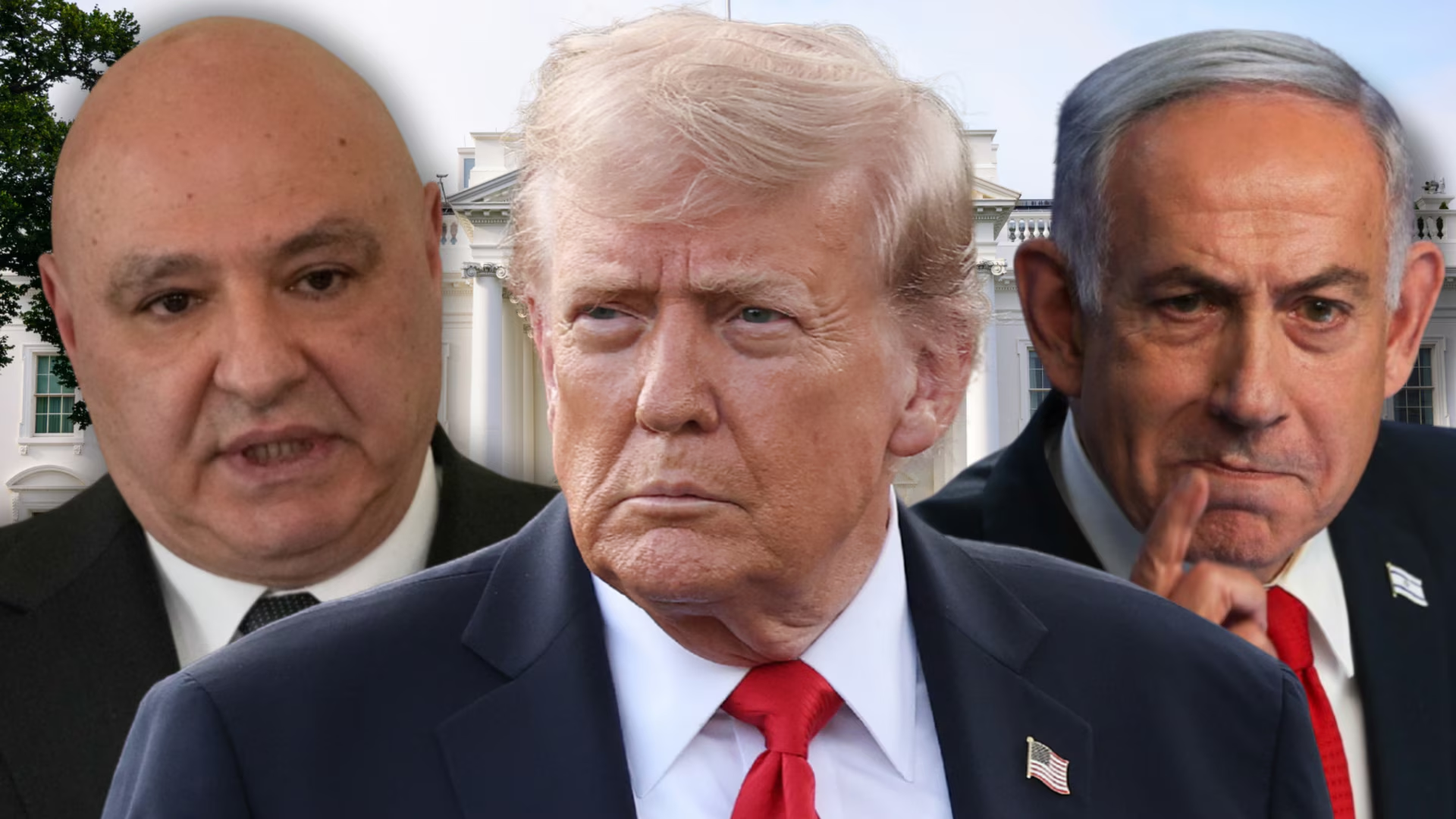
President Trump said Iran could reach out to the US by telephone if it wanted to negotiate an end to the war. "We're gonna do it by phone," Trump stated. He also repeated his reasons for cancelling a trip by his envoys Steve Witkoff and Jared Kushner to Pakistan on Saturday for negotiations. British Prime Minister Keir Starmer and U.S. President Donald Trump discussed the urgent need to get shipping moving again in the Strait of Hormuz. Iranian Foreign Minister Araghchi held talks in Oman and discussed security in the Strait of Hormuz and broader Gulf waters, alongside diplomatic efforts to end the Iran-US conflict. In talks in Muscat with Oman's Sultan Haitham bin Tariq al-Said, Araghchi stated that the US military presence in the Middle East was fuelling insecurity and division. Prime Minister Netanyahu said, "Hezbollah's violations are, in practice, dismantling the ceasefire." He added, "We are acting vigorously in accordance with arrangements agreed with the United States and, incidentally, also with Lebanon," explaining that "This means freedom of action not only to respond to attacks, which is obvious, but also to pre-empt immediate threats and even emerging threats."
Hezbollah's Position and Future Outlook
Hezbollah has called for diplomacy aimed at ending the conflict that began on March 2. The group also rejected accusations from Israeli Prime Minister Benjamin Netanyahu that it was jeopardizing the current truce deal. Prime Minister Netanyahu, however, stated that "Hezbollah's violations are, in practice, dismantling the ceasefire." He further asserted that Israel is "acting vigorously in accordance with arrangements agreed with the United States and, incidentally, also with Lebanon." Prime Minister Netanyahu clarified that this operational approach "means freedom of action not only to respond to attacks, which is obvious, but also to pre-empt immediate threats and even emerging threats."
Meanwhile, two former Israeli prime ministers, Naftali Bennett and Yair Lapid, plan to merge their political parties into a single faction. Mr. Bennett is set to lead this new unified entity.