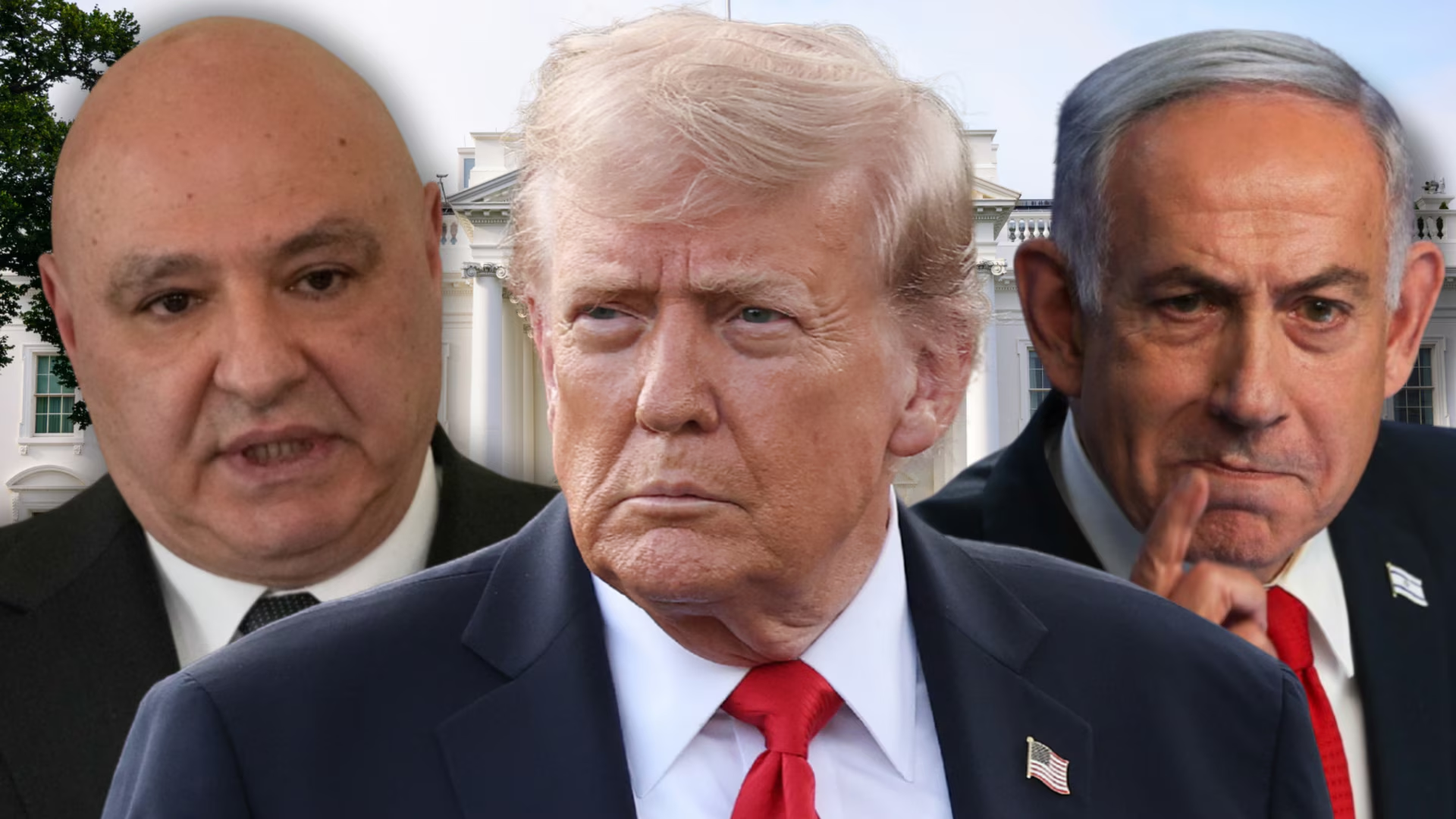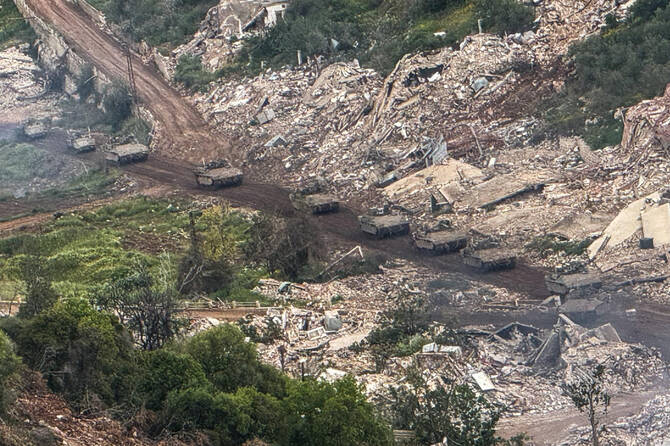
U.S. President Donald Trump announced on April 23 that the 10-day ceasefire deal between the Israeli and the Lebanese governments was extended by three weeks. The announcement came as two people were reportedly killed on April 24 in an Israeli airstrike in Touline village in the southern governorate of Nabatieh. This strike occurred just one day after the ceasefire extension was declared, signaling a continued volatile situation despite diplomatic efforts.
Deadly Attacks Continue
The Israeli Occupation Forces (IOF) announced on April 24 that six Hezbollah fighters were killed in Bint Jbeil city, located in southern Lebanon. These fatalities showed the ongoing clashes in the region. Israel has maintained an almost daily pattern of attacks on Lebanese territory, indicating a persistent state of conflict despite the declared ceasefire. The intensity of these operations has raised concerns about the durability of the truce.
Two days after the announcement of the Hezbollah fighters' deaths, Israel launched its deadliest aerial attack on southern Lebanon since the ceasefire deal began over a week prior. The April 26 assault resulted in a significant loss of life, with at least 14 people killed. Among the fatalities were two women and two children, and dozens more were reported wounded, according to data released by the Lebanese Ministry of Public Health. This devastating attack noted the severe human cost of the escalating conflict and the vulnerability of civilian populations caught in the crossfire. The strike on April 26 marked a critical escalation, drawing widespread condemnation and raising questions about the effectiveness of the ceasefire extension.
Hezbollah's Stance
Hezbollah Secretary General Sheikh Naim Qassem re-affirmed on April 28 that his group is not concerned with the direct negotiations between Tel Aviv and Beirut. Qassem asserted that Hezbollah would not return to the pre-March 2 era, during which Israel unilaterally violated the previous truce reached in November 2024 thousands of times. He stated that Hezbollah "will press with its defensive resistance to protect Lebanon and its people," emphasizing the group's commitment to its operational mandate.
Sheikh Naim Qassem emphasized his group's resolve, stating, "No matter the scale of threats, we will neither retreat nor yield, and we will not be defeated. Issue your threats as you will—those on the frontlines do not bow their heads and remain resolute in the face of tyranny. We will stand united with all honorable forces, alongside the Amal Movement, national political factions, and figures from across all regions and sects." This declaration showed Hezbollah's unwavering stance against what it perceives as Israeli aggression and its determination to continue its resistance efforts. He also condemned any framework "which criminalizes the resistance and its people, who represent more than half of the Lebanese population," reiterating a strong political position against internal pressures.
Resistance Vows to Continue
Hezbollah Secretary General Sheikh Naim Qassem has urged the Lebanese state to withdraw a decision issued on March 2. Qassem asserts that this decision "criminalizes the resistance and its people, who represent more than half of the Lebanese population." He called on the Lebanese state to rescind the decision it issued on March 2, arguing that it undermines the legitimate defensive actions of his group. Qassem has consistently emphasized the group's commitment to its defensive role, portraying their actions as essential for the protection of Lebanon. The ongoing rhetoric from Hezbollah indicates a firm resolve to continue its operations, irrespective of the ceasefire extensions or diplomatic talks between the governments.