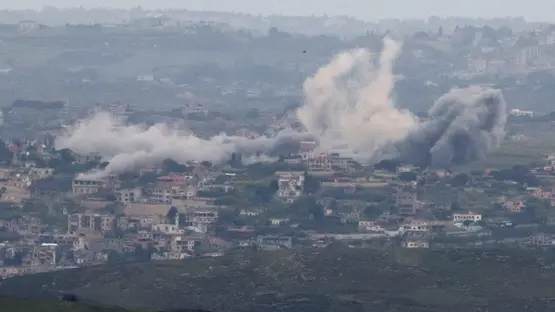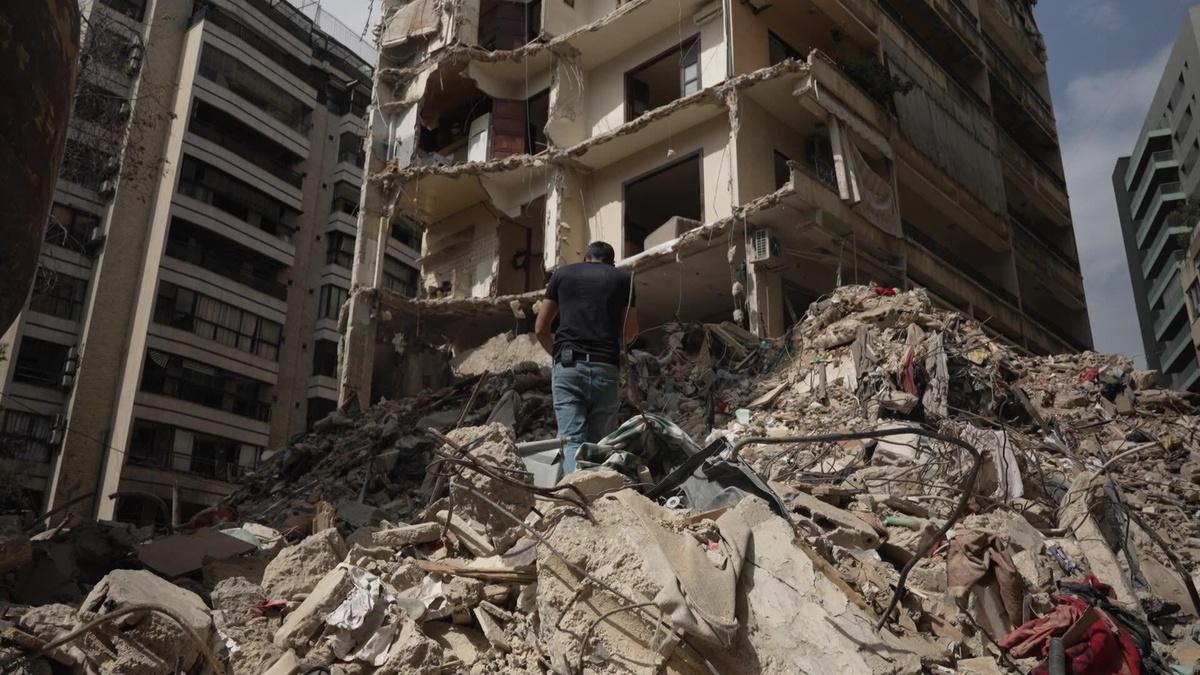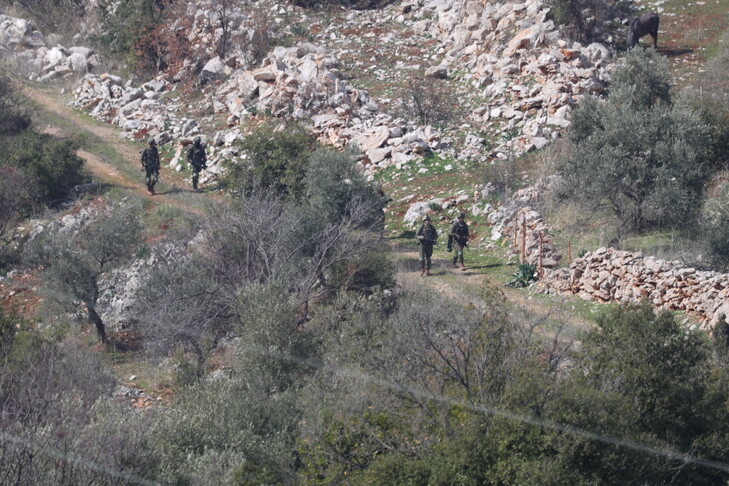
The Israeli army on Wednesday warned residents in 12 villages across southern Lebanon to evacuate their homes immediately. This urgent directive comes ahead of planned attacks by Israeli forces in the area, signaling a potential escalation of military operations. The affected villages are situated in a region that has seen escalating tensions and frequent exchanges of fire between Israeli forces and militant groups. The warning emphasizes the immediate need for residents to depart their homes to ensure their safety as military actions are anticipated.
Villages Under Evacuation Order
The villages specifically instructed to evacuate by the Israeli army include Kawthariyet al-Siyad, al-Ghassaniyeh, Mazraat al-Daoudiyeh, and Bdeias. These communities are located in southern Lebanon, an area that has become a focal point of recent hostilities. Other communities on the evacuation list are Rihan, Zellaya, al-Bazouriyeh, and Harouf, all of which are now subject to the same urgent evacuation order. Residents in Habboush, Ansariyeh, Qallawiyah, and Deir al-Zahrani were also among those ordered to leave their homes without delay. The directive targets these specific locations in southern Lebanon, urging their inhabitants to depart immediately to avoid being caught in the upcoming military actions. This full list of 12 villages shows the breadth of the evacuation order issued by the Israeli military.
Broader Conflict Context
The latest evacuation order comes within the context of an ongoing conflict that has deeply impacted the region. A ceasefire, which was initially announced on April 17, had provided a temporary cessation of hostilities. This ceasefire was subsequently extended until May 17, offering a brief period of reduced conflict before the current escalation. During the current conflict, Israeli forces have advanced approximately 10 kilometers (6.2 miles) inside Lebanon's southern border, establishing a presence deeper within Lebanese territory. This advance notes the territorial impact of the ongoing military operations.
The human cost of the fighting has been substantial. Since March 2, Israeli attacks on Lebanon have resulted in tragic consequences, leading to the deaths of 2,702 individuals. In addition to the fatalities, the conflict has also caused significant injuries, with 8,311 others reported wounded during the same period. The fighting has also led to widespread population displacement within Lebanon, creating a humanitarian crisis. More than 1.6 million people have been forced from their homes, seeking refuge from the violence. This figure represents about one-fifth of the country's total population, showing the severe and broad impact of the conflict on the civilian populace. The displacement has placed immense strain on resources and aid efforts within Lebanon, as a significant portion of its residents are now internally displaced.
Official Warning Details
Residents of the 12 southern Lebanese villages under evacuation orders were specifically instructed by the Israeli army to move at least 1,000 meters (3,280 feet) away from their homes. This precise instruction aims to ensure a safe distance from potential military engagements. The directive specified that inhabitants should relocate to open areas, which are generally considered safer during armed conflicts compared to densely populated or built-up zones. This instruction accompanies the broader evacuation warning issued by Israeli forces, providing clear and actionable guidance for those affected. The move targets communities listed for evacuation, including Kawthariyet al-Siyad, al-Ghassaniyeh, Mazraat al-Daoudiyeh, Bdeias, Rihan, Zellaya, al-Bazouriyeh, Harouf, Habboush, Ansariyeh, Qallawiyah, and Deir al-Zahrani. The Israeli army's communication emphasizes the need for immediate departure from these specific locations within southern Lebanon, noting the urgency and seriousness of the impending military actions. The detailed instructions are intended to minimize civilian casualties and facilitate military operations in the designated areas.