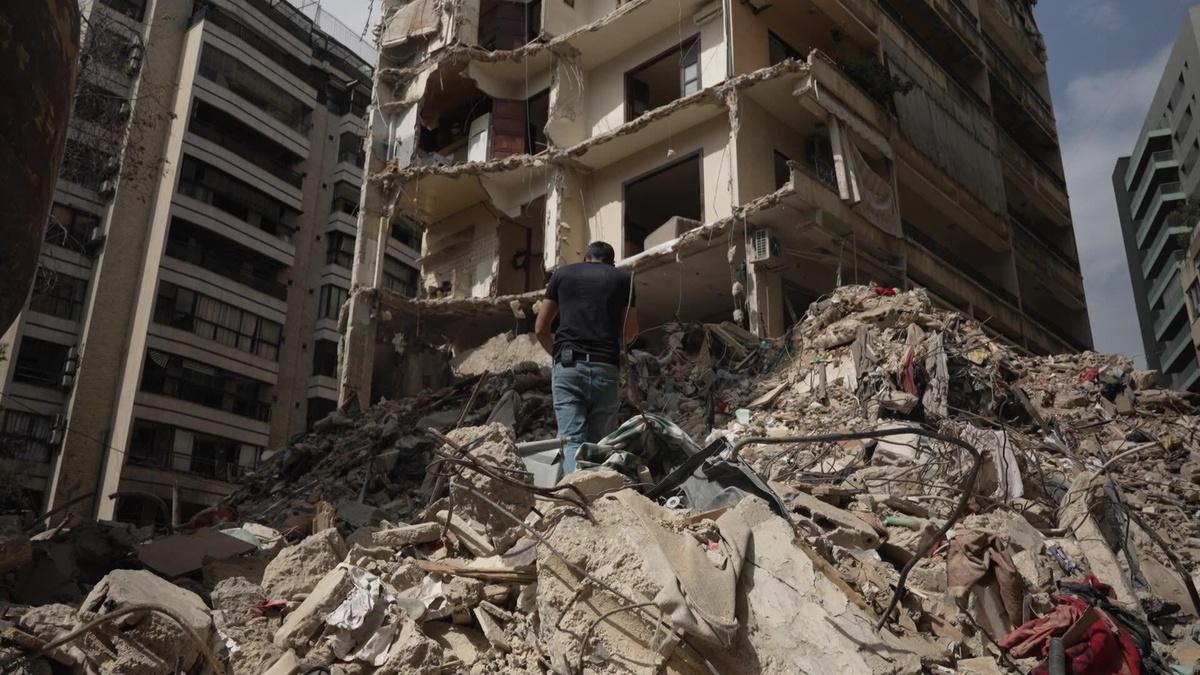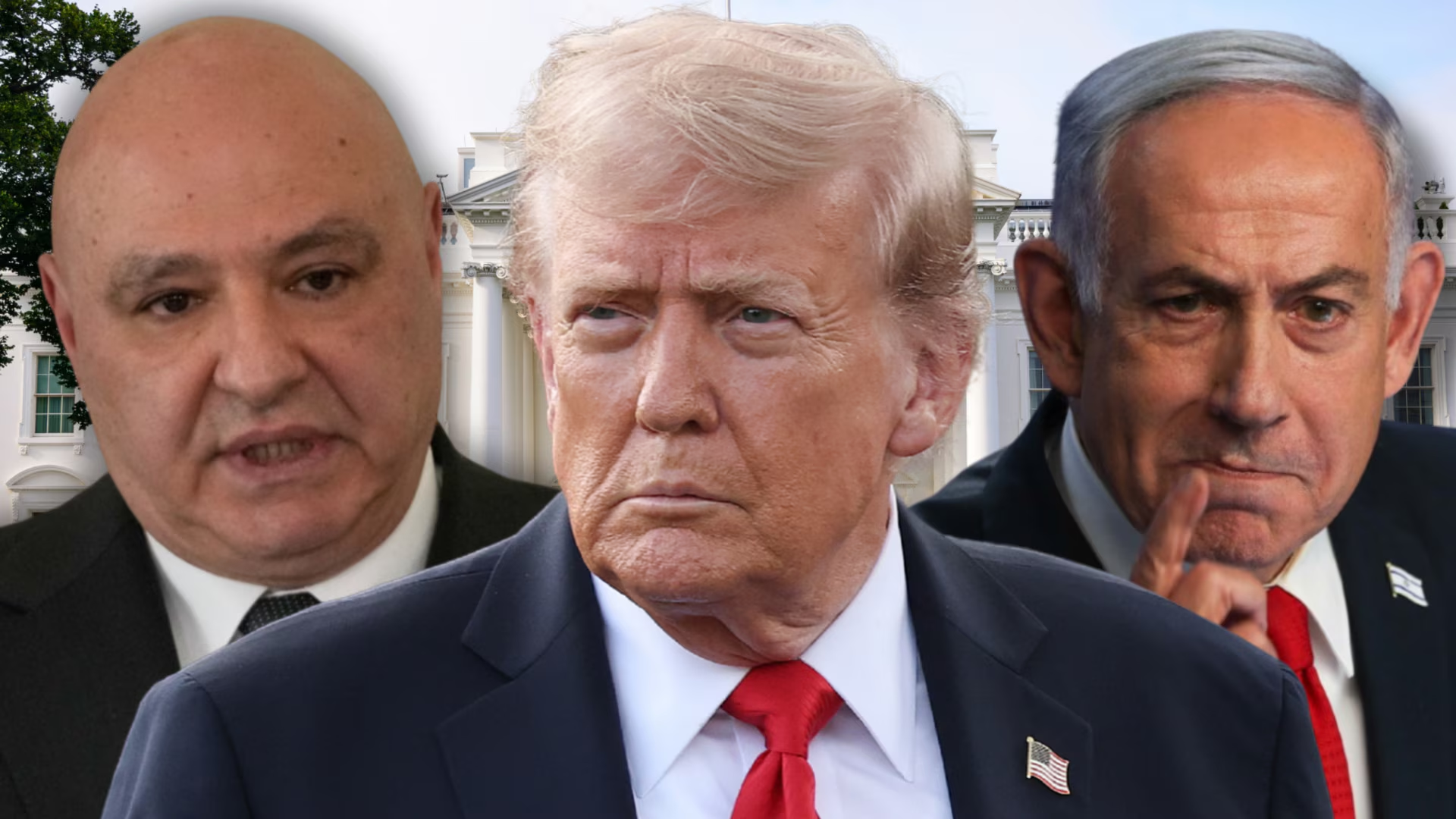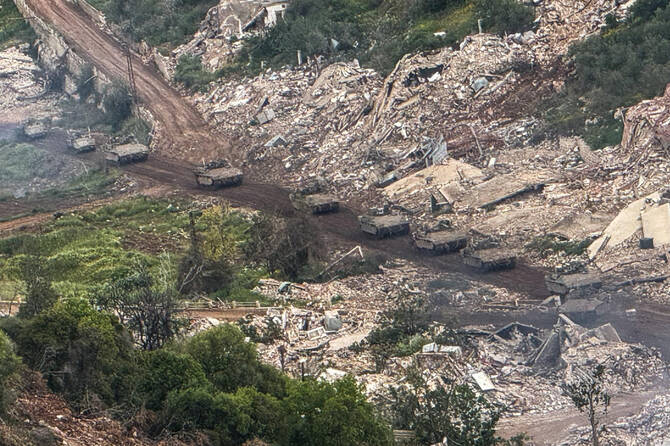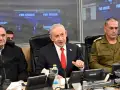
Israel and Lebanon have extended their shaky ceasefire by three weeks, President Donald Trump announced, as regional tensions persist and U.S. Forces prepare for potential intervention in the Strait of Hormuz. This extension of the ceasefire between the two nations, a critical development in the volatile Middle East, was confirmed by President Trump. The announcement comes amidst ongoing regional tensions and as U.S. Forces are preparing for potential intervention in the strategically vital Strait of Hormuz. Trump stated the U.S. Will guide neutral ships through the Strait of Hormuz in a humanitarian effort, warning that any interference would be met with force. This declaration from President Trump shows a firm stance on ensuring safe passage through the critical waterway. A security source indicated that if Iran opts to engage over passage through the Strait, it "will mean a return to hostilities." This assessment from a security source notes the precarious nature of the situation and the potential for renewed conflict.
The Israel Defense Forces (IDF) reported eliminating terrorists in two separate incidents on Tuesday (May 6, 2026). These operations by the IDF on May 6, 2026, show the ongoing security challenges faced by Israel. In another development, the Israeli Air Force intercepted a hostile aerial target before it entered Israeli territory, according to the IDF. This successful interception by the Israeli Air Force prevented a potential threat from crossing into Israeli airspace, demonstrating the nation's defensive capabilities. Israeli troops recently concluded a two-month operation in northern Gaza, during which eight Gaza tunnels were destroyed and dozens of terrorists were killed, the IDF stated. The completion of this extensive two-month operation by Israeli troops in northern Gaza marks a significant effort to counter militant infrastructure in the region.
Regional Security Dynamics
Lebanon’s President Joseph Aoun has stated that a security pact must be established before any meeting can take place with Israeli Prime Minister Benjamin Netanyahu. President Aoun's condition notes the complex diplomatic landscape and the foundational issues that need to be addressed before direct engagement between the two leaders can occur. Meanwhile, the United States has launched "Project Freedom," an initiative aimed at clearing ships from the Strait of Hormuz. This initiative, "Project Freedom," is a clear demonstration of U.S. Efforts to maintain maritime security and freedom of navigation in the critical global shipping lane. This development follows the United Arab Emirates’ departure from OPEC on May 1. The United Arab Emirates' decision to leave OPEC on May 1 adds another layer of complexity to the regional economic and political dynamics, potentially influencing global energy markets and alliances.
Regional commentators offered differing perspectives on ongoing conflicts and media coverage. Jonathan S. Tobin argued that attempts to separate the movement to accomplish the genocide of half the world’s Jews in Israel from attacks on them elsewhere lack credibility. Tobin asserted, "Anti-Zionists who condemn antisemitic crimes are gaslighting us." His strong statement emphasizes a perceived hypocrisy in certain anti-Zionist narratives regarding antisemitism. In a related analysis, Dr. Eric R. Mandel suggested that exercising restraint against Hamas, while potentially frustrating operationally, may be a strategic necessity. Dr. Mandel’s perspective offers insight into the strategic considerations guiding Israeli military and political decisions in the face of ongoing conflict with Hamas, acknowledging the operational difficulties such restraint might entail.
Separately, news outlet CNN faced criticism after an anti-Israel story reportedly backfired, drawing backlash from its audience. This incident notes the sensitive nature of reporting on the Israeli-Palestinian conflict and the scrutiny news organizations face from their viewership.
Domestic and International Engagement
The Israeli consul general in New York stated that this year marked the first time the Jewish state held an Independence Day celebration in New York City under a mayor who does not recognize it. This observation from the Israeli consul general in New York shows a unique diplomatic challenge for Israel in one of the world's most prominent cities. Domestically, Israel Advocacy Day gathered pastors and rabbis from more than 37 states in the nation’s capital to engage with policymakers. Israel Advocacy Day serves as a significant event for fostering support for Israel within the United States, bringing together religious leaders from across the country to influence national policy discussions. The event provides a platform for these diverse religious leaders to convey their perspectives and concerns directly to American policymakers, aiming to strengthen U.S.-Israel relations and advocate for shared values.
Internationally, Israeli Foreign Minister Gideon Sa’ar met with Croatian Foreign Minister Gordan Grlić Radman in Berlin, where he expressed support for Croatia’s bid to join the Organisation for Economic Co-operation and Development (OECD). This meeting between Foreign Minister Sa’ar and Foreign Minister Radman in Berlin demonstrates Israel's active role in international diplomacy and its support for European integration processes. In the United States, a call by the president for a national Shabbat was noted by Rabbi Steven Burg of Aish. Rabbi Burg stated that "the celebration celebrates our religion and it refocuses on our job to become a light unto the nations." This statement from Rabbi Burg, reflecting on the president's call for a national Shabbat, emphasizes the spiritual and communal significance of the observance, framing it as an opportunity for reflection and moral leadership. At the President’s Residence, rare documents, letters, and photos were displayed, tracing a century of engagement between the Chief Rabbinate and American presidents. This exhibition at the President's Residence offers a historical perspective on the enduring relationship between religious leadership in Israel and the highest office in the United States, showcasing a rich tapestry of diplomatic and cultural exchange over the past hundred years.
However, not all engagement was without dissent. Ten students at the Jewish Theological Seminary protested the institution’s decision to grant an honorary doctorate to Israel’s president. This protest by students at the Jewish Theological Seminary indicates internal divisions and varying perspectives within Jewish academic and religious communities regarding Israeli leadership. Meanwhile, a recent survey indicated that nearly four out of five French Jews feel unsafe in France. This alarming statistic from a recent survey notes a significant concern for the Jewish community in France, pointing to widespread feelings of insecurity. In a historical context, Keren Tendler was identified as the sole female Israel Defense Forces (IDF) soldier killed in action during the 2006 Lebanon War. The recognition of Keren Tendler as the only female IDF soldier to die in combat during the 2006 Lebanon War serves as a poignant reminder of the human cost of conflict and the sacrifices made by all service members.
Scientific and Cultural Developments
An exhibition titled ‘A Plate of Hope and Color' opened at the Uri Lifshitz Studio in Tel Aviv on May 1, 2026. This exhibition, which commenced at the Uri Lifshitz Studio in Tel Aviv on the first day of May 2026, aims to provide a unique blend of artistic expression and community support. This exhibition is reported to support thousands of Israel Defense Forces (IDF) troops serving in Israel from abroad. The initiative behind ‘A Plate of Hope and Color' shows a significant effort to bolster the morale and well-being of IDF soldiers who have traveled from other countries to serve in Israel, offering them a connection to art and a sense of community support.
In a separate cultural development, a new generation of Jewish food influencers is utilizing cuisine as a form of cultural diplomacy. These efforts span various locations, from Miami suites to Mexico City kitchens. This emerging trend, driven by Jewish food influencers, demonstrates how culinary arts are becoming a powerful tool for cultural exchange and fostering understanding across different communities and geographical boundaries, from the vibrant culinary scene of Miami to the rich gastronomic traditions of Mexico City.
On the scientific front, US-Israeli scientists have uncovered mechanisms related to insulin cells. Their research identified how these cells maintain function with age and what occurs when this process falters. This new work by US-Israeli scientists provides key insights into the fundamental processes of cellular aging and its impact on vital bodily functions. The Hebrew University stated that this discovery holds potential for developing new treatments. These treatments could aim to delay or prevent the onset of Type 2 diabetes. The announcement from the Hebrew University notes the significant medical implications of this research, offering hope for innovative therapeutic approaches that could significantly impact public health by addressing the growing challenge of Type 2 diabetes.
UN and Diplomatic Incidents
Varsha Gandikota-Nellutla, representing the Hague Group, acknowledged secret coordination with a United States-sanctioned group. This admission occurred during a webinar involving current and former United Nations staff. Gandikota-Nellutla's revelation during a public webinar, involving individuals closely associated with the United Nations, raises significant questions regarding the nature of the coordination and its implications for international sanctions regimes. Andrew Gilmour, a former senior U.N. Official, cautioned Gandikota-Nellutla regarding the nature of the call, noting the presence of 108 participants. Gilmour advised her to assume the discussion was not confidential given the number of attendees. The warning from Andrew Gilmour, a seasoned former U.N. Official, shows the sensitive environment of such discussions and the importance of discretion, especially when information pertaining to sanctioned entities is being shared with a large audience.