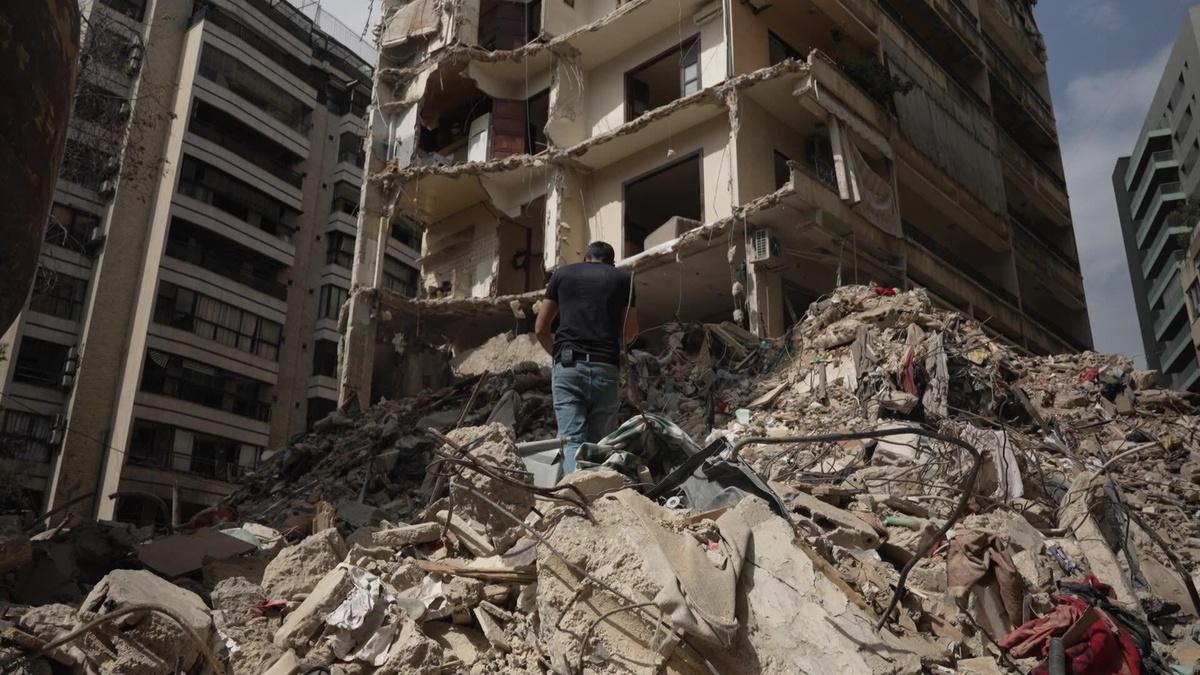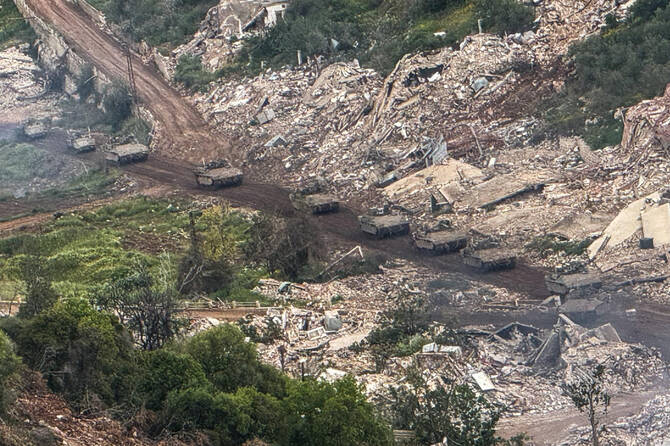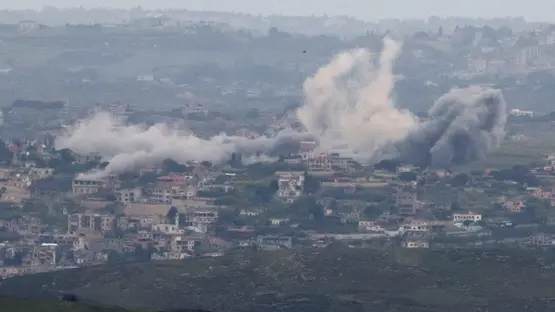
Israel’s military on Wednesday issued a new evacuation warning for a dozen villages in southern Lebanon and West Bekaa. The warning comes ahead of anticipated strikes in the region, signaling a potential escalation of military operations. Residents in the designated areas were advised to evacuate as a precautionary measure. This action by Israel's military targets villages situated in both South Lebanon and West Bekaa, indicating a broad scope for the expected operations. The advisory serves as a direct communication to civilians in the specified Lebanese territories, urging them to leave for their safety. The evacuation warning specifically listed 12 villages, showing the precise nature of the directive. This development unfolds despite a standing truce with Lebanon, which was intended to halt fighting with the Iran-backed group Hezbollah, adding a layer of complexity to the current situation.
Escalating Cross-Border Fire
Israeli forces and Hezbollah have engaged in daily exchanges of fire, primarily concentrated in southern Lebanon. These exchanges have been a consistent feature of the regional security situation, with both sides trading fire daily.
On the previous day, Israel's air force conducted strikes on several structures in Lebanon. The Israeli military stated that these facilities were utilized by Hezbollah for military purposes. This action follows a pattern of targeted operations by Israel in response to cross-border activities. The air force hit several structures that the military identified as being used by Hezbollah for military operations.
Most of the villages included in Wednesday’s evacuation warning are situated north of the Litani River. This places them outside the immediate area that has historically been occupied by Israeli soldiers, indicating a potentially broader scope for future military actions. The river has often been a significant geographical marker in past conflicts. The Israeli military has also announced a "yellow line," which is a declared zone extending up to 10 kilometers (six miles) inside southern Lebanon. Within this designated area, Israeli troops have been stationed, and residents have been barred from returning to their homes, further demarcating areas of active military control and risk.
Broader Conflict Context
Lebanon was drawn into the broader Middle East conflict in early March, following Hezbollah's rocket fire into Israel. This action was reportedly in retaliation for the killing of Iranian supreme leader Ali Khamenei during a US-Israeli military campaign. Since early March, Israeli strikes in Lebanon have resulted in the deaths of more than 2,700 people. The conflict has seen a significant human cost on the Lebanese side.
Despite a ceasefire brokered by Washington between Israeli and Lebanese representatives on April 17, hostilities have continued, leading to further casualties. Dozens have been killed since the April 17 ceasefire, noting the fragility of the truce. The Israeli military stated, "The structures were struck while Hezbollah terrorists were operating inside, advancing and carrying out terror attacks against IDF soldiers and the state of Israel." The military added, "During the strikes, several terrorists were eliminated." In the fighting, the Israeli military has reported the loss of 17 soldiers and one civilian contractor. This toll shows the ongoing dangers faced by military personnel in the region.
Military Statements and Warnings
The evacuation warning issued by Israel's military encompassed 12 villages. This directive comes despite a standing truce with Lebanon, which was intended to halt fighting with the Iran-backed group Hezbollah. Separately, Israel has announced a "yellow line," which is a declared zone extending up to 10 kilometers (six miles) inside southern Lebanon. Israeli troops have been stationed within this designated area, and residents have been barred from returning to their homes in that zone. The establishment of the "yellow line" and the continuous presence of Israeli troops within it signify a persistent military posture in the border region. The latest evacuation order further indicates an intensification of military operations beyond previously established boundaries.