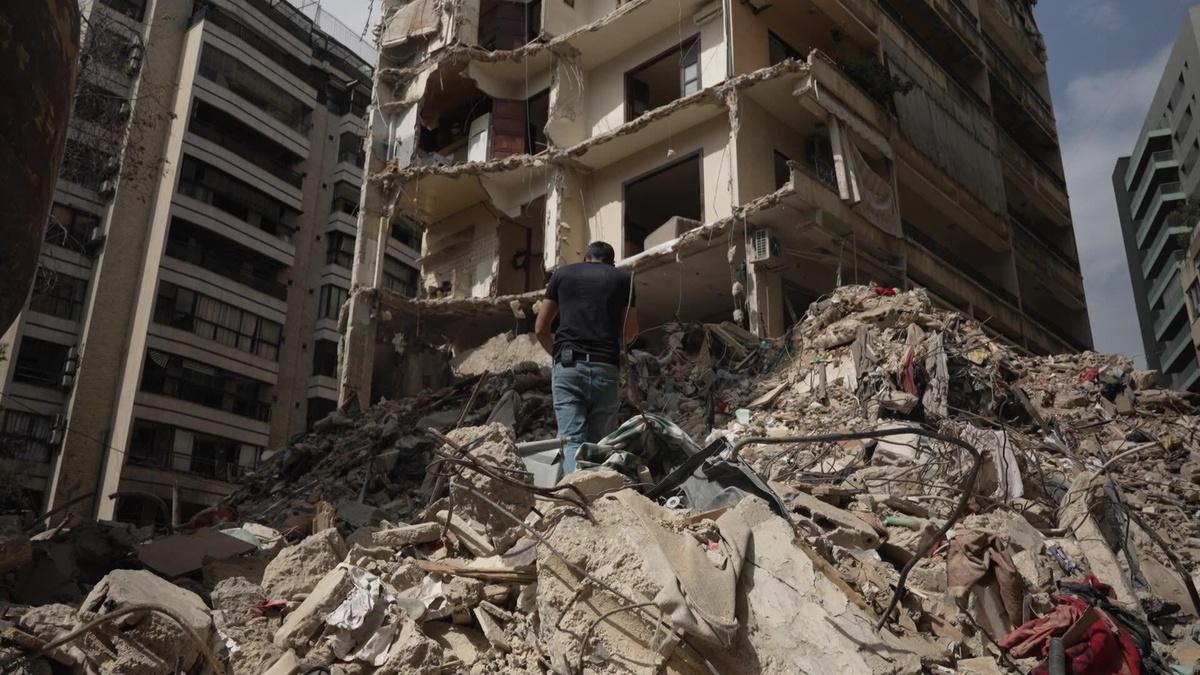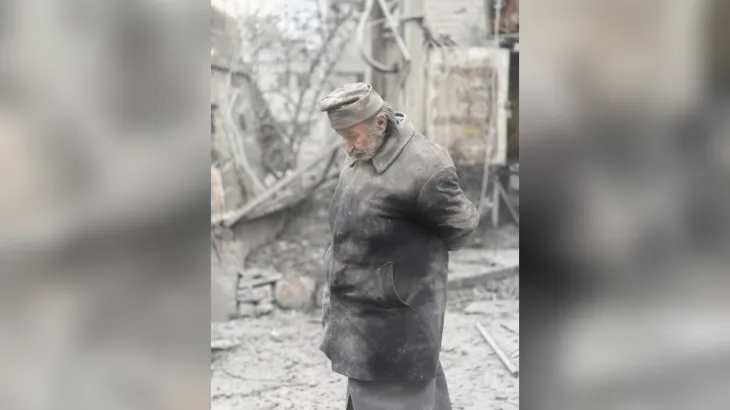
An 80-year-old man was reportedly rescued from the rubble of his home in southern Lebanon following an Israeli air strike on his town. The elderly man was pulled out from under the debris, according to reports published on May 6, 2026. The incident occurred as tensions continued to escalate in the region, noting the immediate and severe impact of military actions on civilian populations. This rescue operation drew significant attention, showing the precarious situation faced by residents in areas prone to cross-border hostilities. The specific details surrounding the air strike and the subsequent rescue efforts have begun to emerge, painting a vivid picture of the challenges faced by emergency responders and the resilience of those affected.
Rescue From Rubble
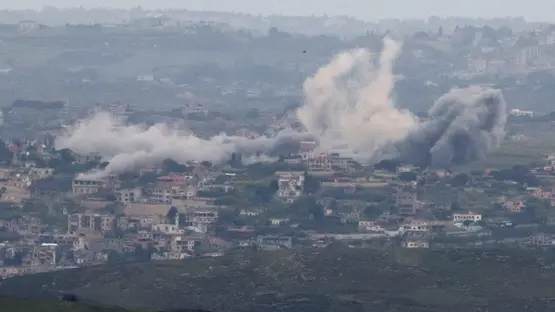
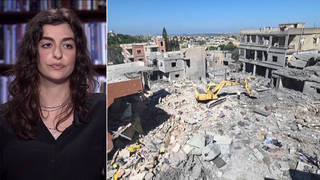
The rescue operation in southern Lebanon unfolded after an Israeli air strike impacted a residential area. Reports indicated that the 80-year-old man was trapped beneath the debris of his home following the aerial bombardment. The strike caused significant damage to the structure, leaving the man buried under the collapsed materials. Emergency services, including local civil defense teams, were immediately dispatched to the scene to conduct urgent search and rescue efforts. They worked tirelessly and meticulously through the unstable rubble, employing specialized equipment and techniques to carefully remove the debris and locate the individual. The incident occurred amidst ongoing tensions in the region, adding a heightened sense of urgency and danger to the rescue mission, as responders operated in a volatile environment. The man was eventually extracted from the collapsed structure, a testament to the dedication of the rescue personnel, according to details published on May 6, 2026. His condition after being pulled from the debris has not been specified in initial reports, leaving many concerned about his well-being. The operation noted the immediate human impact of the air strike in the southern part of Lebanon, bringing into sharp focus the civilian toll of such military actions.
Echoes of Past Conflicts
The 80-year-old man rescued from the rubble had a profound and personal history with regional conflict. He had previously survived Israel's invasion of Lebanon decades ago, an event that deeply scarred the country and its people. His remarkable survival of that earlier, extensive period of conflict adds a poignant layer of continuity to the persistent challenges faced by residents in southern Lebanon. This personal history shows how generations have endured cycles of violence and displacement. The long history of hostilities between Israel and Lebanon has periodically led to significant military actions, frequently impacting civilian areas and homes. This current incident, involving the elderly man's dramatic rescue, directly reflects the enduring and often devastating impact of these tensions on civilian populations who are caught in the crossfire. The repeated exposure of individuals to such traumatic events, from major invasions to localized air strikes, shows the persistent and deeply entrenched nature of the conflict in the border regions, shaping the lives and memories of its inhabitants.
Regional Tensions
Tensions between Israel and Lebanon have remained consistently high, particularly along their shared border. Southern Lebanon has frequently served as a flashpoint for military actions and exchanges involving both nations, making it one of the most volatile areas in the Middle East. The ongoing situation has led to recurring incidents, including artillery fire and aerial bombardments, and a heightened state of alert for communities on both sides of the frontier. Recent developments have included cross-border exchanges that have directly impacted civilian areas in Lebanon, causing destruction and displacement. The broader context of these events reflects a persistent state of conflict that has profoundly shaped daily life for residents in southern Lebanon, who live under the constant shadow of potential escalation. These complex dynamics contribute to an environment where military operations can quickly escalate, leading to unpredictable outcomes and directly affecting the civilian population. The region continues to experience periods of intense activity and instability, showing the delicate and often perilous security situation that demands continuous vigilance and attention.