Requests for sleeping pills and sedatives have soared by over 300% in Lebanon, according to reports from pharmacists, as the country grapples with heightened anxiety stemming from ongoing conflict and its protracted economic crisis. Pharmacists report requests for sleeping pills and sedatives soaring over 300%. This significant rise in sedative and antidepressant use in recent years is attributed to relentless financial pressure, widespread instability, and a widespread sense of uncertainty among the population, according to medical reports cited by Al-Modon. Medical reports cited by Al-Modon pointed to a significant rise in the use of sedatives and antidepressants in recent years because of financial pressure, instability and a broad sense of uncertainty. The country's socioeconomic and political turmoil was profoundly deepened by the 2020 Beirut port explosion, which exacerbated existing challenges and contributed to the current mental health crisis. The 2020 Beirut port explosion deepened the country’s socioeconomic and political turmoil, adding another layer of complexity to an already strained public health landscape.
Wartime Stress Fuels Demand
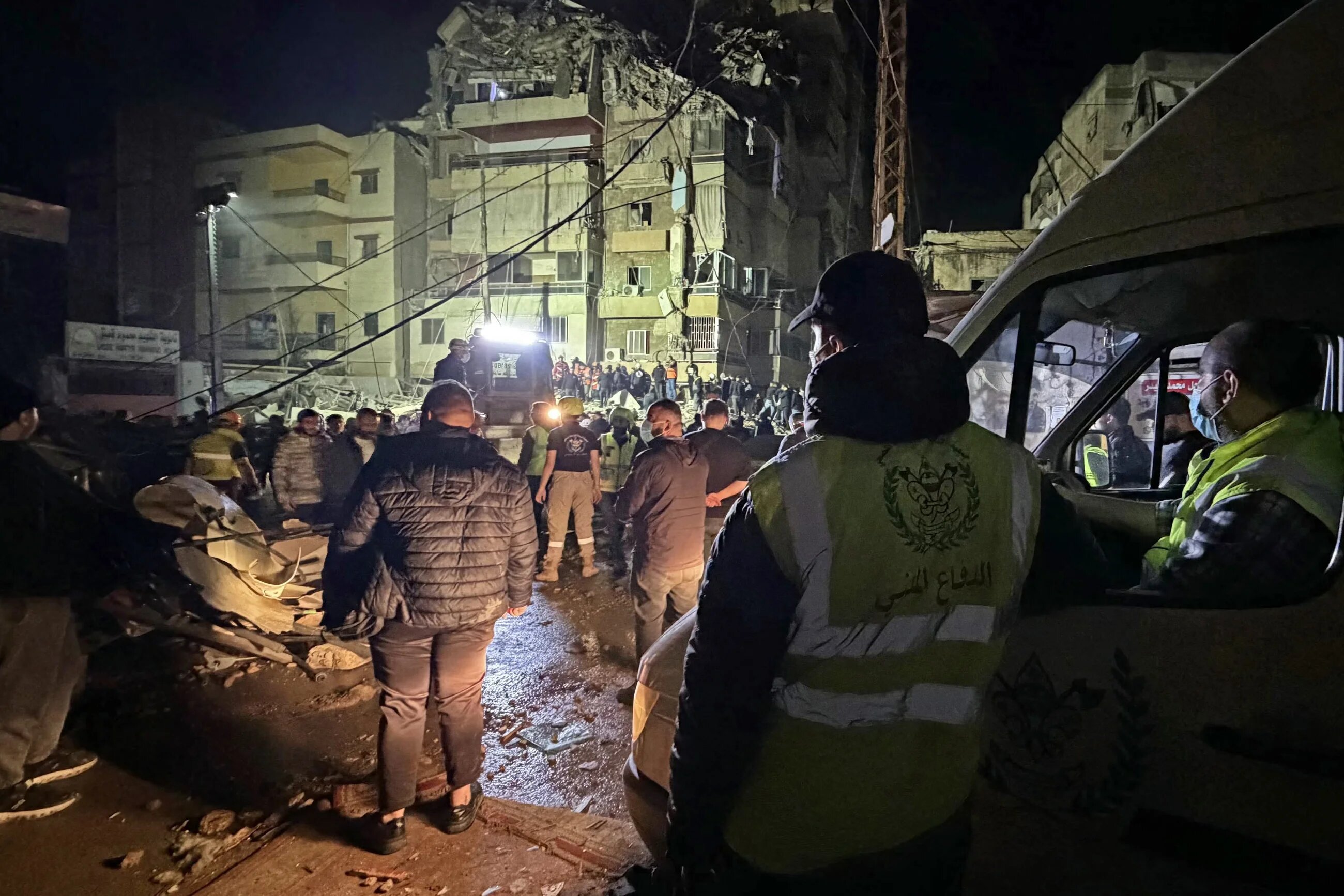
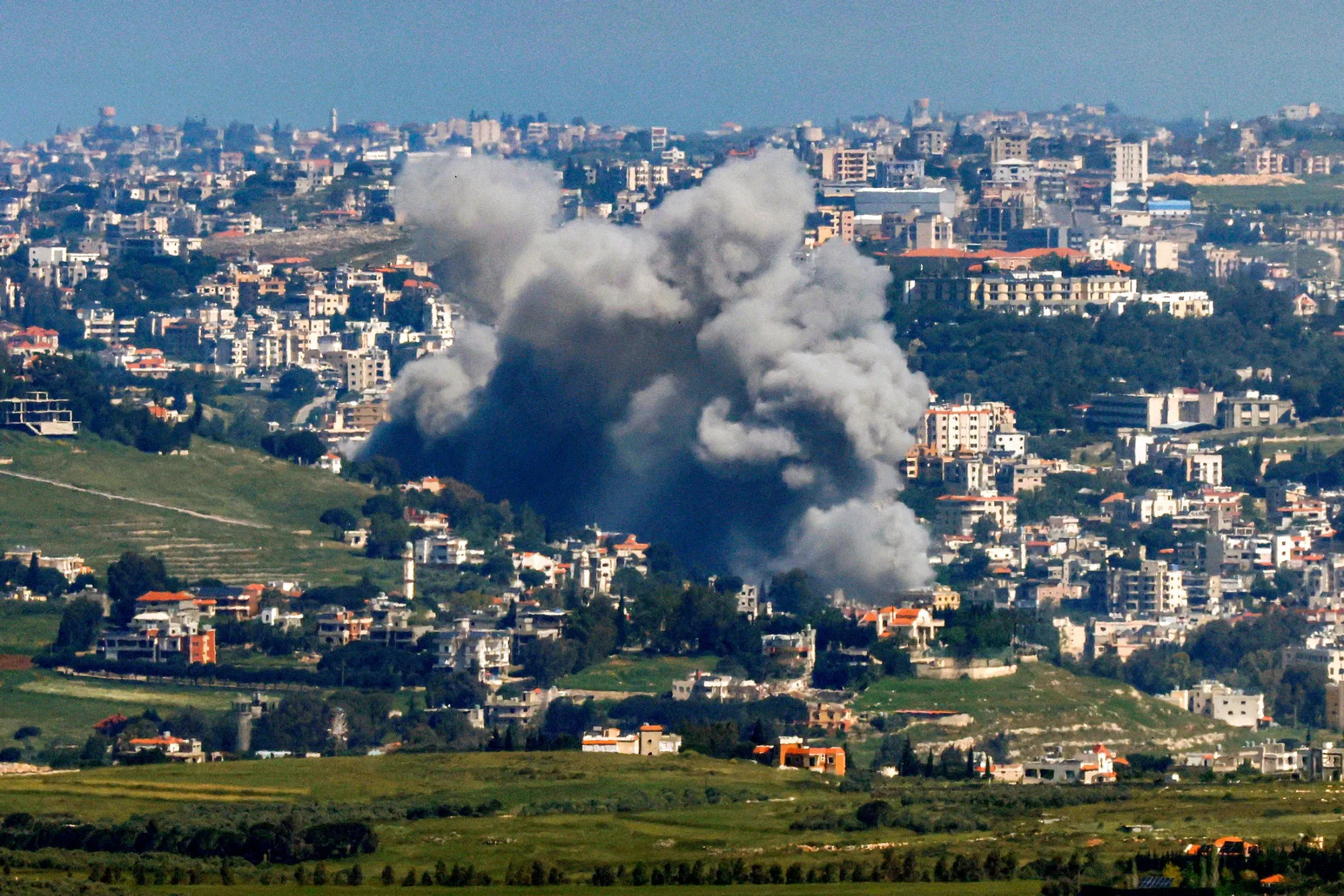
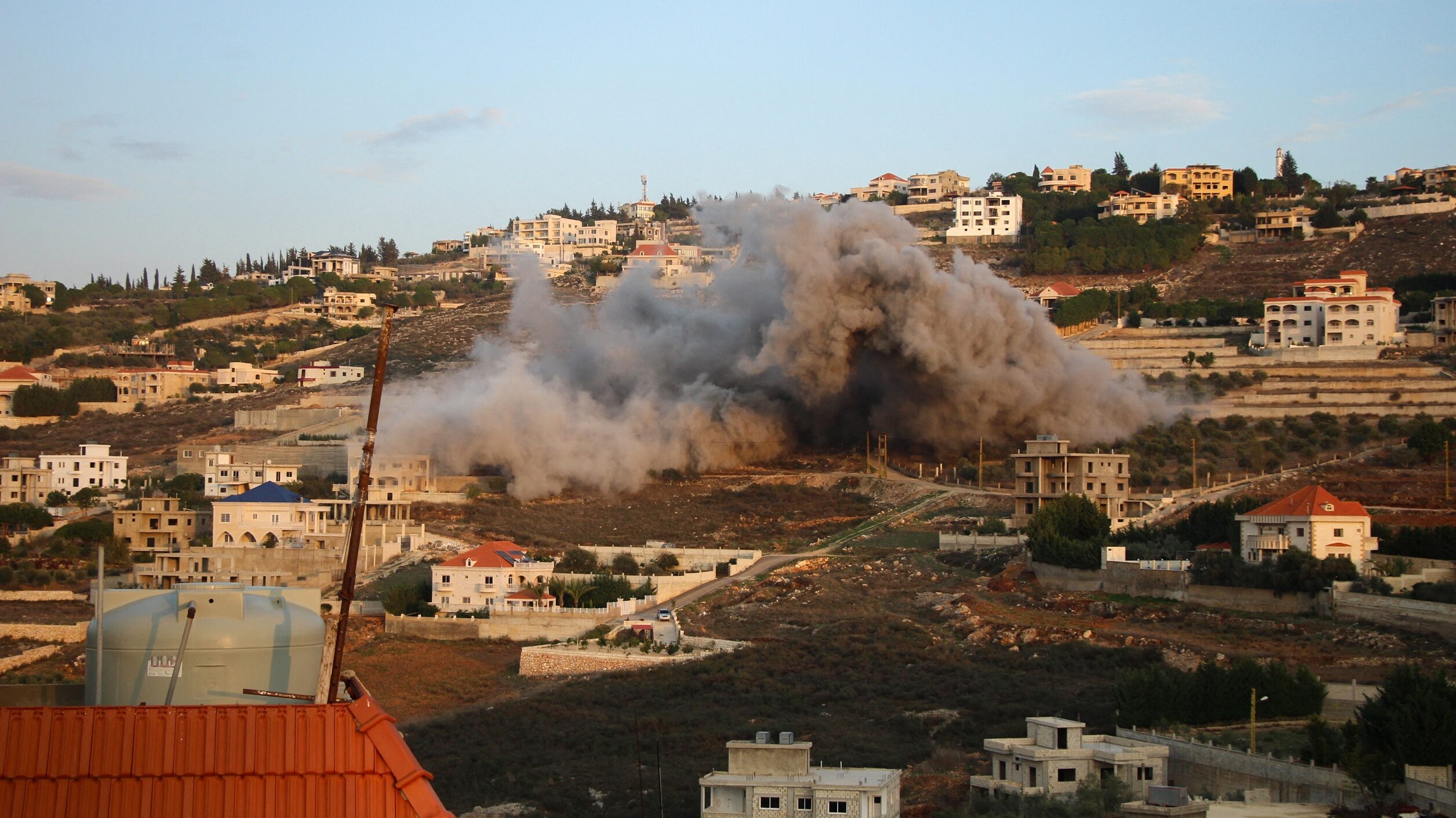
The ongoing conflict in Lebanon appears to be driving anxious residents to sedatives and sleeping pills, according to pharmacists and various local reports, despite a lack of official data on the trend. The war in Lebanon appears to be pushing anxious residents toward sedatives and sleeping pills, according to pharmacists and local reports, though no official data has been released. The Independent Arabia reported on April 19 that wartime conditions frequently contribute to increased sleep disorders, anxiety, and stress, which in turn prompts more individuals to seek out sedatives. The Independent Arabia wrote April 19 that wartime conditions often increase sleep disorders, anxiety and stress, leading more people to seek sedatives. Many residents have reported experiencing anxiety attacks, which they attribute to direct or indirect exposure to recent strikes. Many report anxiety attacks triggered by direct or indirect exposure to strikes, further noting the immediate psychological toll of the conflict.
The issue of increased sedative use has emerged repeatedly in Lebanon over recent years, linked to sporadic fighting, broader regional tensions, and the country's sustained crisis since its 2019 economic collapse. The issue of increased sedative use has surfaced repeatedly in Lebanon in recent years due to fighting, regional tensions, and the country’s prolonged crisis since its 2019 economic collapse. This long-term trend shows the widespread nature of mental health challenges in the country. A psychiatrist, quoted by The Independent Arabia, stated that numerous individuals are acquiring these medications without valid prescriptions. A psychiatrist quoted by The Independent Arabia said many people were buying medications without prescriptions, raising concerns about self-medication and potential misuse. Reports also indicated that some individuals are opting for illicit drugs as an alternative to sedatives. Some people were turning to drugs rather than sedatives, pointing to a desperate search for relief in the absence of accessible or affordable legitimate options. This concerning trend adds another layer of public health risk, as illicit substances often lack quality control and carry higher dangers.
Supply Chain and Stockpiling Concerns
Joseph Gharib, head of the Association of Pharmaceutical Importers, confirmed that pharmacy orders for sedative and sleeping medications have risen significantly. Gharib stated that this increase in orders might reflect a trend of stockpiling due to fears of potential shortages. Joseph Gharib stated that increased orders may reflect stockpiling over fears of shortages, a common reaction in times of instability and economic uncertainty. He added that it will likely take three to four months before a clearer picture emerges regarding the actual consumption rates of these drugs. Joseph Gharib said it will take three to four months before a clearer picture emerges regarding actual consumption, as initial order spikes might not directly translate to immediate patient use. This waiting period is key for understanding the true scope of the demand and consumption patterns.
Many families in Lebanon are reportedly stockpiling sedatives "for any emergency," according to reports. Many families are stockpiling sedatives “for any emergency,” reflecting a deep-seated fear of future scarcity and a desire for self-reliance in a fragile system. Health professionals have warned that stockpiling sedatives carries several risks, including an increased reliance on the black market, the potential for unregulated drugs, and a higher risk of addiction. Health professionals warn that stockpiling sedatives carries risks, including reliance on the black market, unregulated drugs and addiction, which could exacerbate the public health crisis. The reported 300% increase in demand for these medications is based on accounts from pharmacists rather than controlled research, according to sources. The figure of 300% demand increase was based on pharmacists’ accounts rather than controlled research, indicating that while the trend is clear, precise empirical data is still being gathered. Demand for sedatives is especially high in areas where residents have been displaced due to ongoing circumstances. Demand is especially high in areas where residents have been displaced, noting the profound psychological impact of forced relocation and loss of stability. These displaced populations often face compounded stressors, making them particularly vulnerable to mental health issues.
Official Response and Mental Health Support
Lebanon's Health Ministry has operated a national mental health program since 2014, established with international support. In recent weeks, the ministry has issued guidance specifically tailored to the current situation, offering advice on how to discuss war with children and strategies for coping with anxiety during periods of instability. In recent weeks, the Health Ministry has released guidance tailored to the current situation, including advice on speaking with children about war and coping with anxiety during instability. This proactive approach aims to provide immediate, practical support to families struggling with the psychological toll of conflict. The Health Ministry also operates a dedicated mental health support application, according to reports. The Health Ministry operates a mental health support app, offering a digital avenue for individuals to seek assistance and information, especially in areas where in-person services might be limited or inaccessible.
Reports from Al-Jadeed TV as early as January indicated a growing trend of individuals purchasing psychiatric medications without valid prescriptions. As early as January, Al-Jadeed TV reported on the growing purchase of psychiatric medications without prescriptions, showing a persistent challenge in regulating access to mental health treatments amidst the country's ongoing crises. This trend of self-medication without professional oversight poses significant health risks, including incorrect dosages, adverse drug interactions, and masked underlying conditions. The increased demand for sedatives and other mental health drugs has put further strain on existing support systems, which were already struggling under the weight of the economic crisis and the lingering effects of the Beirut port explosion. The need for full mental health care, including regulated access to medication and professional psychological support, remains a critical challenge for Lebanon's public health sector. The current situation shows the urgent need for expanded resources and sustained international support to address the escalating mental health crisis in the country effectively.