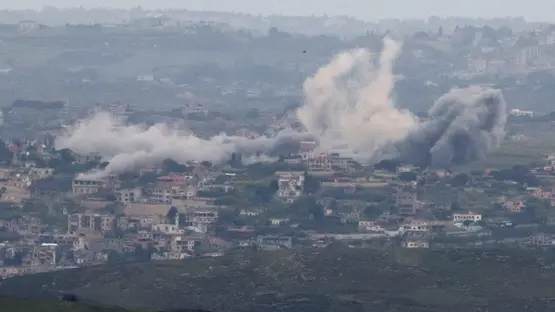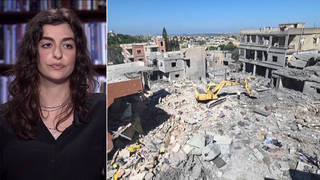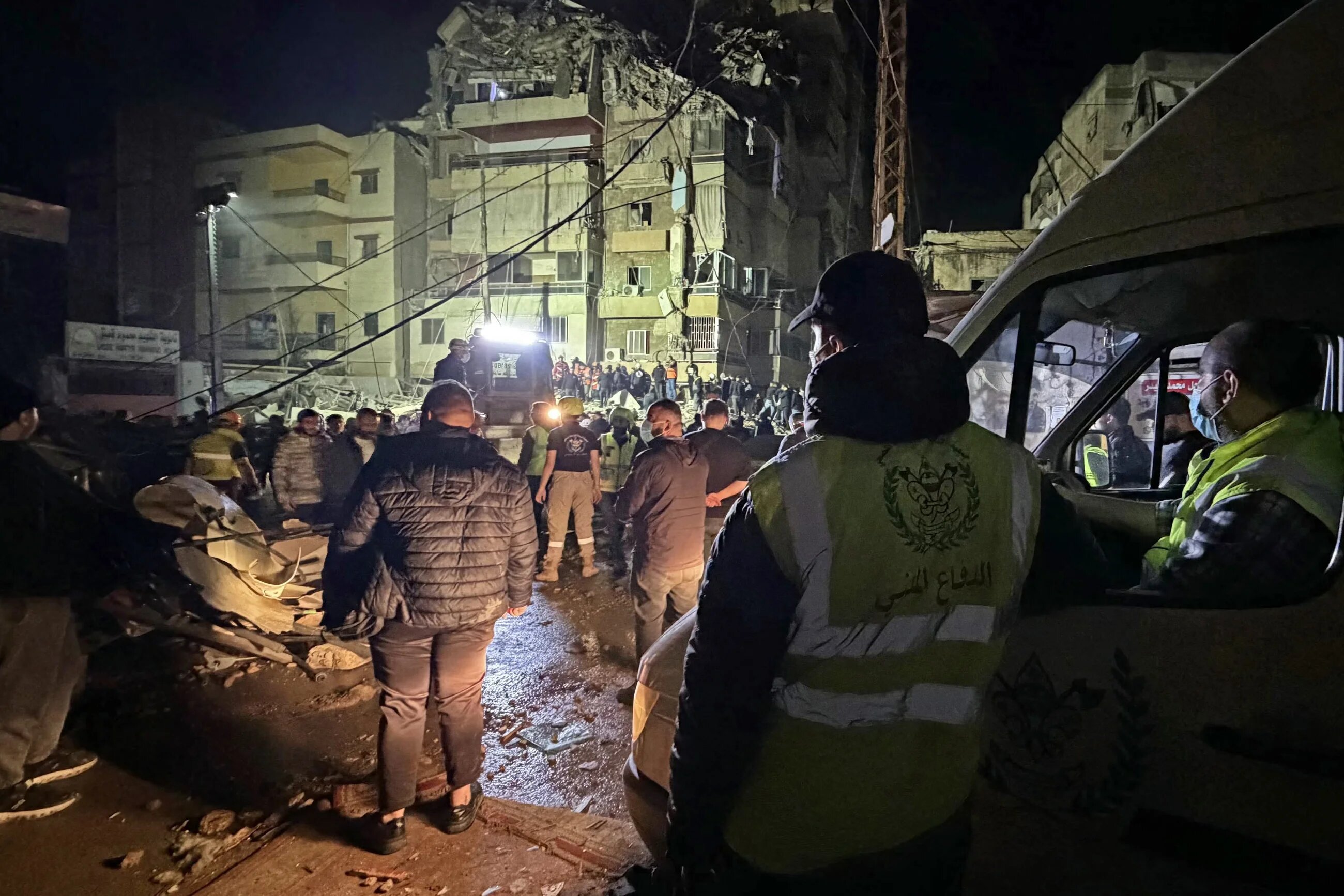
Israeli air strikes and drone attacks across southern and eastern Lebanon killed at least 16 people and wounded 21 others, including paramedics, on Tuesday. The attacks targeted several locations, with four fatalities reported in Zellaya, two in an attack involving shelling of Mayfadoun, five in Siksikiyah, and two in Khirbet Selm. These coordinated strikes resulted in a total of at least 16 people killed and at least 21 wounded. The wounded included paramedics responding to the incidents. Since March 2, Israeli attacks on Lebanon have resulted in the deaths of over 2,710 individuals, marking a significant escalation in the ongoing conflict.
Deadly Attacks Detailed and Impact on Civilian Infrastructure
The Israeli attacks struck a school, multiple residential areas, and civilian infrastructure, according to reports. The widespread nature of these strikes shows the broad impact on communities in southern and eastern Lebanon. In Zellaya, a town situated in the western Bekaa region, Ali Qassem Ahmad, who served as the head of its municipal council, was killed along with three members of his family during an assault on their home. This attack on a civilian residence, claiming the lives of a local official and his family, notes the severe consequences for non-combatants. Separately, Israeli air strikes also targeted parts of the Tyre district in southern Lebanon, extending the geographical scope of the military actions. The targeting of civilian infrastructure, including residential areas and a school, has raised significant concerns about the protection of civilians in the conflict zone.
Hezbollah Response and Escalation of Hostilities
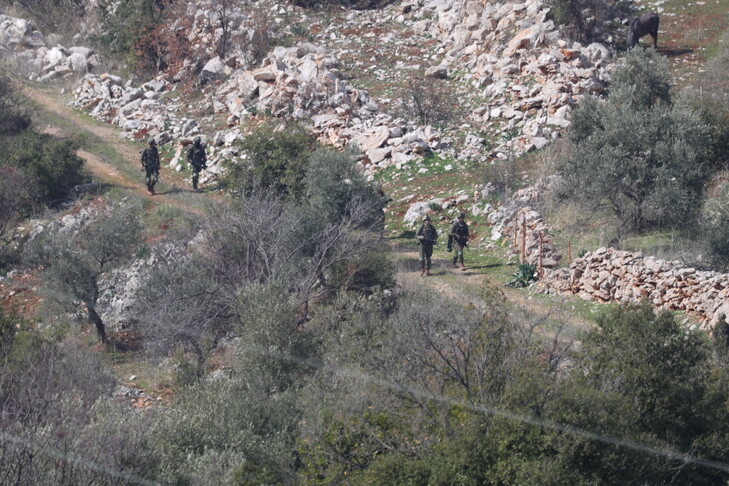
Lebanese armed group Hezbollah responded to Israeli attacks in several areas of southern Lebanon. Hezbollah claimed responsibility for an attack targeting a gathering of Israeli soldiers, stating it had engaged Israeli forces. This engagement signifies the continued back-and-forth military actions between the two sides. Fighting between Israel and Hezbollah renewed on March 2. The Iran-backed group fired rockets at its southern neighbour following the launch of a war against Iran by the United States and Israel. This renewed fighting on March 2 marked a significant turning point, escalating the intensity of the conflict after a period of relative calm. The exchange of fire by Hezbollah, including rocket launches, demonstrates a clear response to Israeli military operations and contributes to the cycle of violence in the region.
Displacement and Broader Humanitarian Impact
Since March 2, Israeli attacks on Lebanon have wounded more than 8,350 people. The ongoing aggression has also resulted in the displacement of 1.6 million individuals, exacerbating a growing humanitarian crisis. Israel issued forced displacement orders for 12 villages in southern Lebanon, instructing residents to stay at least one kilometer away from their homes. Most of these villages affected by the displacement orders were situated north of the Litani River, a strategic area in southern Lebanon. The latest forced displacement order marked the first time that western parts of the Bekaa Valley were included since a truce came into effect on April 17. This expansion of displacement orders into new areas indicates a widening geographical impact of the conflict and further complicates humanitarian efforts to assist those affected. The mass displacement of populations presents immense challenges for aid organizations and local authorities, as communities are uprooted and essential services are disrupted.