The United States is awaiting Iran's response to a proposal aimed at reopening the Strait of Hormuz and ending a conflict, according to officials. This proposal is a significant development in ongoing diplomatic efforts to de-escalate tensions in the region. The American proposal reportedly includes a moratorium on enriching uranium, a key point of contention in international discussions regarding Iran's nuclear program. Meanwhile, Iranian Foreign Minister Abbas Araghchi departed from Oman after engaging in bilateral talks there, having previously met with Pakistani officials in Islamabad. Araghchi is now en route to Moscow for discussions with regional allies amid ongoing negotiations with the US. Addressing his country's foreign policy, Foreign Minister Araghchi stated, "Our neighbors are our priority."
Strait of Hormuz Diplomacy
Iran has reportedly demanded that the United States lift its blockade of Iranian assets crossing the Strait of Hormuz as part of any agreement. This demand notes the economic pressure Iran is facing due to the blockade. US President Donald Trump indicated on Sunday his intention to maintain the blockade until a full deal is reached with the Iranian government. The US blockade on Iranian ports was enforced on April 24, 2026, when the guided-missile destroyer USS Rafael Peralta (DDG 115) intercepted an Iranian-flagged ship attempting to sail to an Iranian port. This incident marked a significant escalation in the enforcement of sanctions. Chairman of the Joint Chiefs of Staff General Dan Caine previously showed a map illustrating the blockade line on the Strait of Hormuz during an April 16, 2026 briefing on the Iran conflict at the Pentagon in Washington, DC. These developments were reported by Axios on Sunday, citing a US official and two sources knowledgeable about the situation. The diplomatic efforts are unfolding against a backdrop of strict enforcement measures by the US.
Regional Strikes and Nuclear Standoff
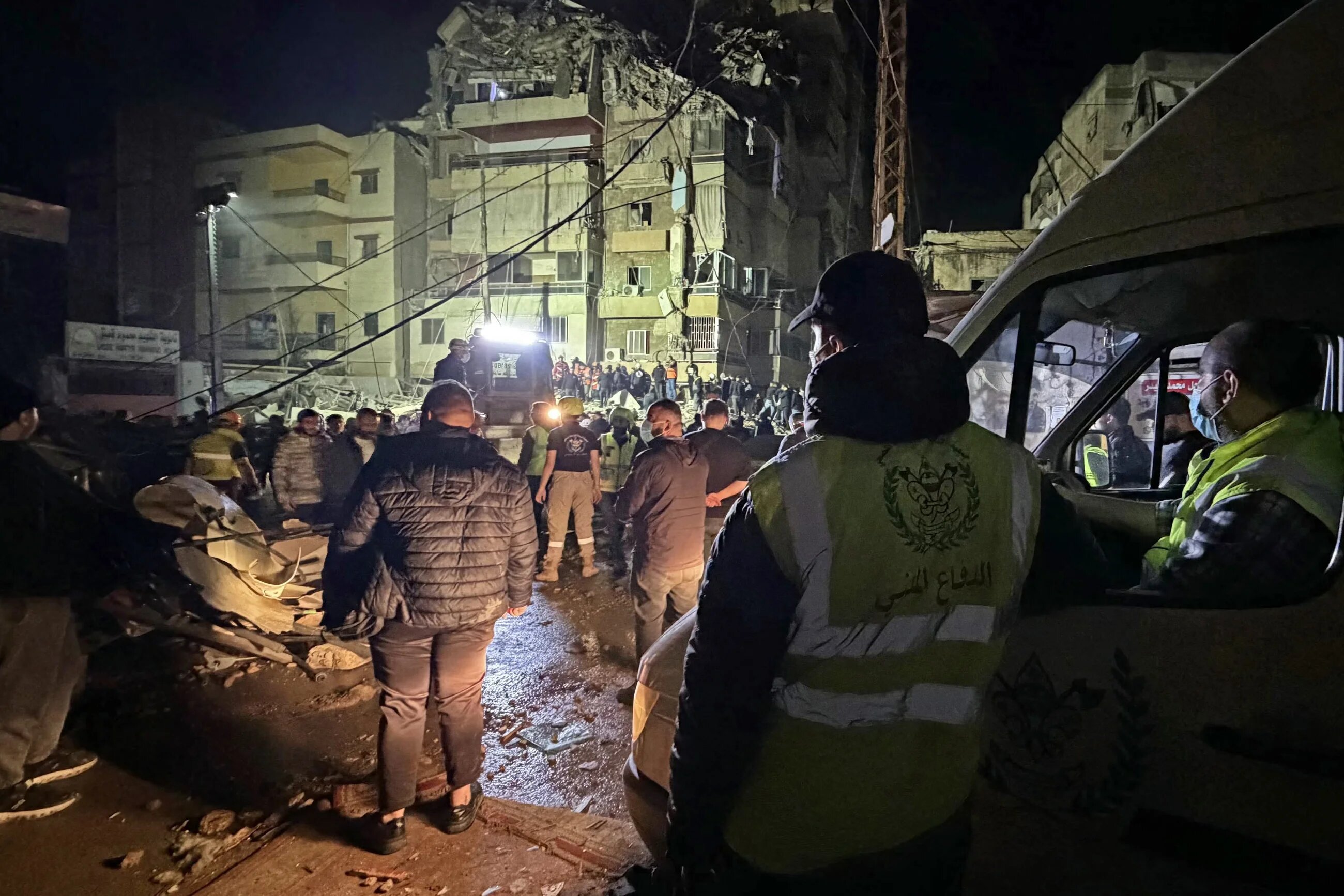
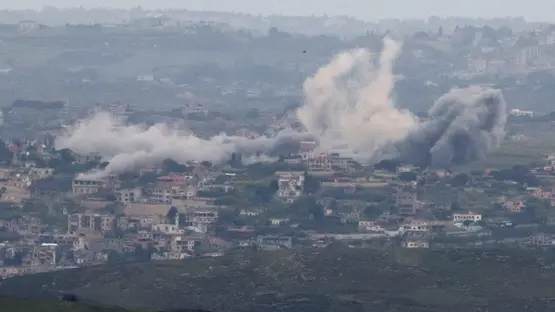
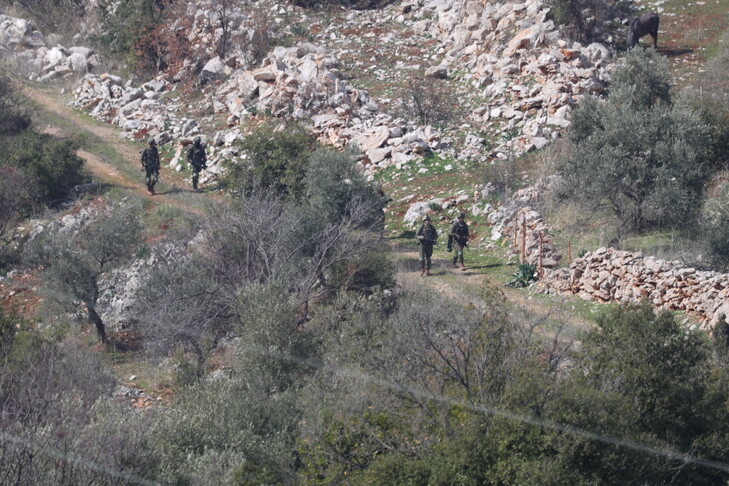
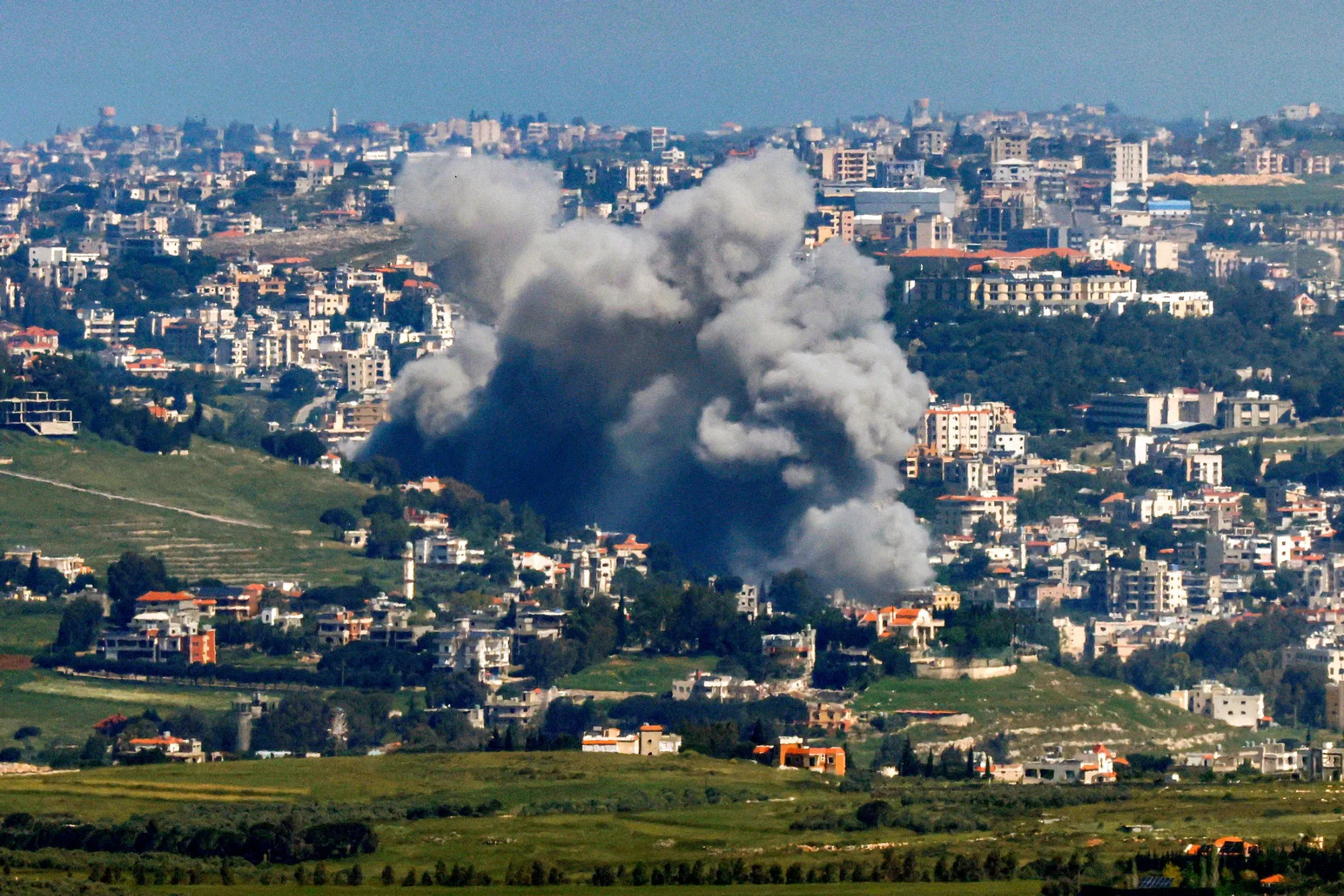
Israel struck Lebanon’s capital, Beirut, on Wednesday. This strike followed an earlier incident on May 7, when smoke was observed from an Israeli strike in southern Lebanon. These military actions show the volatile security situation across the Middle East. Amidst these regional tensions, Iran's leaders have consistently shown little sign of yielding on their nuclear program, a stance that continues to complicate international diplomatic efforts. The persistent refusal to compromise on its nuclear ambitions remains a central challenge for negotiators. The ongoing regional military actions coincide with persistent concerns regarding Iran's nuclear ambitions, creating a complex and dangerous environment.
Iran's Diplomatic Maneuvers
Iran is expected to deliver its response to a US proposal in the coming days, according to reports. This anticipated response is key for determining the next steps in the diplomatic process. Through Pakistani mediators, Iran previously presented the United States with a new proposal concerning the reopening of the Strait of Hormuz and an end to the conflict, suggesting nuclear negotiations be deferred to a later stage. The ongoing conflict has resulted in the deaths of thousands of people, emphasizing the urgent need for a resolution. US President Donald Trump is scheduled to convene a situation room meeting on Iran with his senior national security and foreign policy team to discuss the unfolding situation. Speaking on the strategic importance of the Strait, President Trump stated, "When you have vast amounts of oil pouring through your system... If for any reason this line is closed because you can't put it into containers or ships... What happens is that line explodes from within... They say they only have about three days before that happens." He further added, "And when it explodes, you can never rebuild it the way it was... It would only be 50% of what it is right now. So I think they are under pressure." These developments occurred around April 27, 2026. The high stakes involved in controlling this critical waterway are evident in President Trump's remarks.