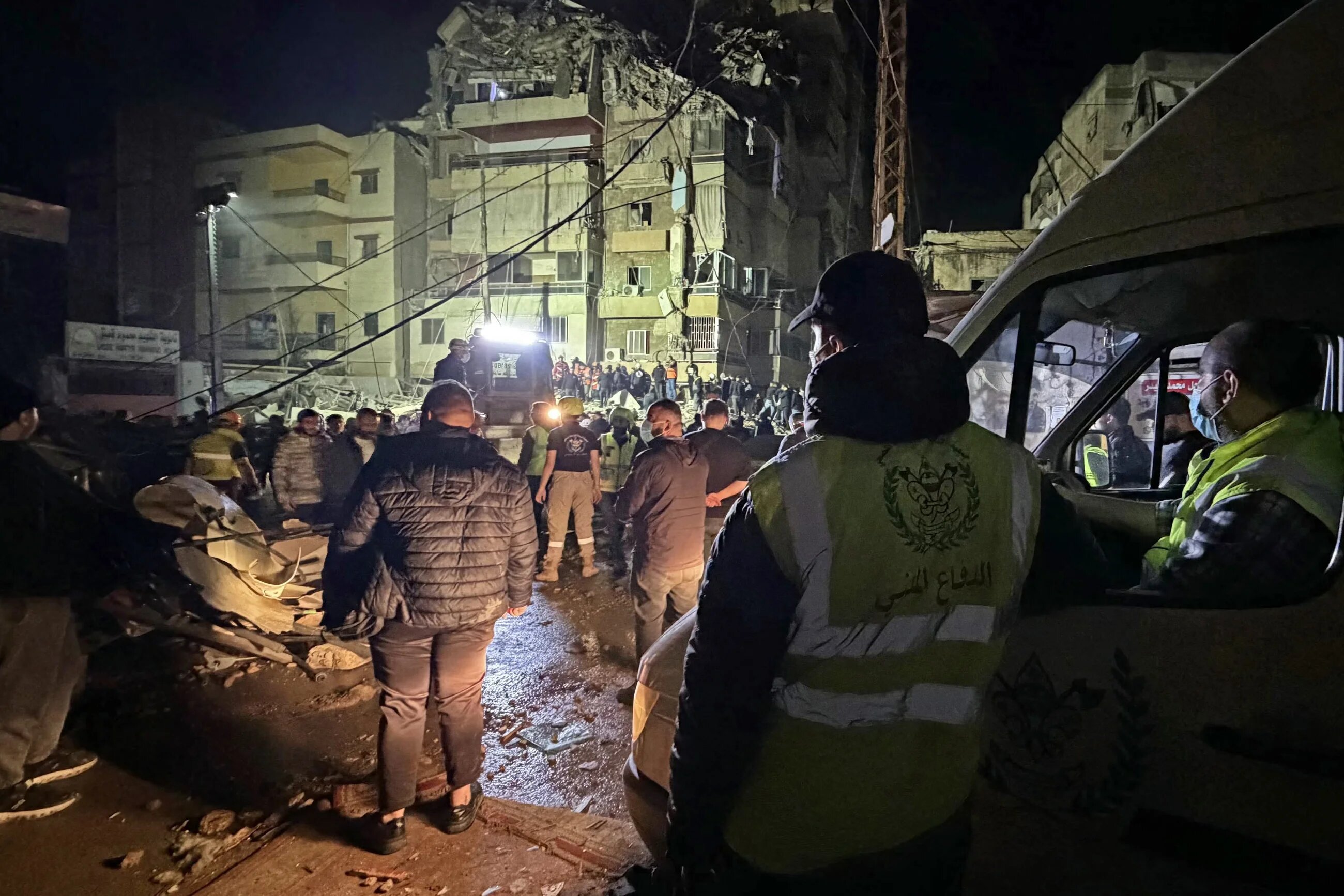
Strikes have been reported in the southern Lebanese village of al-Duwayr, according to multiple local sources within the region. The incident occurred specifically within the confines of this village, which is distinctly situated in the southern part of Lebanon, a region frequently characterized by heightened security concerns. Initial reports from the ground did not immediately provide full information regarding the precise nature of these strikes, nor did they identify the party responsible for the actions. Details concerning any potential casualties that may have resulted from the incident, or the extent of material damage inflicted, were not available in the immediate aftermath. Residents in the affected area, speaking on condition of anonymity due to the sensitive nature of the situation, indicated that the overall situation remains fluid and continues to evolve. These initial reports emanating from al-Duwayr collectively mark a developing security situation in the region, thereby drawing significant attention to the ongoing dynamics near the country's southern border. The reports have prompted close observation from both local and international entities monitoring regional stability.
Details of the Incident
The strikes in al-Duwayr, a village prominently located in southern Lebanon, were initially brought to public attention through reports from various local sources. These sources, often close to the ground and privy to immediate developments, were among the first to convey information about the unfolding events. The incident occurred specifically within the geographical bounds of the village itself, which is strategically situated near the country's southern border, an area known for its geopolitical sensitivities. Initial accounts from these local channels did not specify the exact nature of the strikes that took place. It remained unclear whether the events involved aerial bombardment, which typically suggests the use of aircraft or drones, or if they were the result of artillery fire, which would imply ground-based weapon systems. Other forms of engagement, such as missile strikes or cross-border incursions, were also not immediately ruled out by the early reports.
Information concerning the party responsible for initiating these strikes was not immediately available following the initial reports. This lack of attribution left many questions unanswered regarding the perpetrators and their motivations. Similarly, detailed information regarding any potential casualties, whether fatalities or injuries among the civilian population or other groups, was not disclosed by local sources or official authorities in the immediate aftermath of the events. The extent of material damage to infrastructure, residential properties, or other assets within al-Duwayr also remained unquantified in the initial assessments. Residents in the vicinity of al-Duwayr, experiencing the direct impact and uncertainty, indicated that the situation remained dynamic and continuously evolving as events unfolded on the ground. The reports from al-Duwayr have, therefore, significantly drawn attention to the security landscape in southern Lebanon, a region that frequently experiences heightened tensions and is often a focal point for regional instability. The absence of immediate, full information has led to ongoing observation of the situation as further details are awaited from official or local channels. The incident shows the inherent fragility of stability in border areas and the profound impact such events can have on civilian populations residing in these sensitive zones.
Regional Tensions Escalating
The reported strikes in al-Duwayr, a village in southern Lebanon, regrettably contribute to an ongoing pattern of regional instability that has long characterized the Middle East. Southern Lebanon, by virtue of its geographical and geopolitical position, frequently experiences heightened tensions, which are often intrinsically linked to the broader security situation across the entire Middle East. Incidents occurring in these sensitive border areas typically draw immediate and intense international attention due to their inherent potential for wider escalation, which could destabilize an already volatile region. The absence of immediate, full information regarding the party responsible for the strikes in al-Duwayr, or any concrete details about potential casualties, only serves to show the volatile and unpredictable nature of the region's security environment. Local populations residing in such areas often face significant uncertainty and are exposed to considerable risk, as events can unfold with alarming rapidity without clear attribution or immediate resolution. This uncertainty can lead to widespread anxiety and disruption of daily life for communities living under the shadow of potential conflict.
Regional security dynamics are notably complex, involving a multitude of actors and diverse interests, often with conflicting agendas. The Lebanese-Israeli border, in particular, has historically been a persistent flashpoint for decades, with various non-state and state actors operating in close proximity and vying for influence or control. Escalations in this strategically vital area are therefore closely monitored by international observers and various diplomatic bodies, given their significant potential to destabilize an already sensitive geopolitical landscape. The ongoing situation near al-Duwayr reflects the persistent and formidable challenges inherent in maintaining stability and actively preventing a wider conflict in the border regions of Lebanon. Such events often necessitate careful and nuanced diplomatic engagement, coupled with concerted de-escalation efforts, to prevent a further and more severe deterioration of the existing security environment. The lack of detailed information regarding the recent strikes means that the full implications for regional tensions remain to be thoroughly assessed as more verifiable facts emerge from official sources or credible local reports. The international community, therefore, remains vigilant, awaiting further clarity on the situation.
International Concerns Mount
The reported strikes in al-Duwayr, a village nestled in southern Lebanon, are highly likely to draw increased international attention given the ongoing regional sensitivities and the historical volatility of the area. The broader context of security along the Lebanese-Israeli border consistently triggers significant concerns among global powers and influential diplomatic organizations, who view any disruption as a potential harbinger of wider conflict. Incidents occurring in this volatile area are routinely monitored with intense scrutiny by international observers due to their inherent potential to exacerbate existing tensions and profoundly impact regional stability. The international community recognizes that even seemingly localized events can have broad consequences in such a delicate geopolitical environment.
Governments worldwide typically express profound apprehension when hostilities occur in border zones, especially those with a long and complex history of conflict, like the southern Lebanese frontier. The absence of immediate, full information regarding the party responsible for the strikes or any potential casualties can significantly heighten these international concerns, often leading to urgent calls for de-escalation and restraint from all sides involved. Diplomatic channels are frequently activated in such critical circumstances to prevent a further deterioration of the security situation and to explore avenues for peaceful resolution. These efforts often involve multilateral discussions and bilateral communications aimed at fostering calm.
The international community generally advocates strongly for the protection of civilian populations and strict adherence to international law, particularly international humanitarian law, in all conflict zones. Any escalation in southern Lebanon, including events like the reported strikes in al-Duwayr, is viewed through the critical lens of its potential impact on humanitarian conditions and the broader peace and security framework that underpins stability in the Middle East. Such incidents vividly show the inherent fragility of stability in the region and highlight the continuous, pressing need for sustained diplomatic engagement to effectively manage and mitigate risks. The ongoing vigilance and commitment of international bodies are key in navigating these complex challenges and working towards a more secure future for the region.