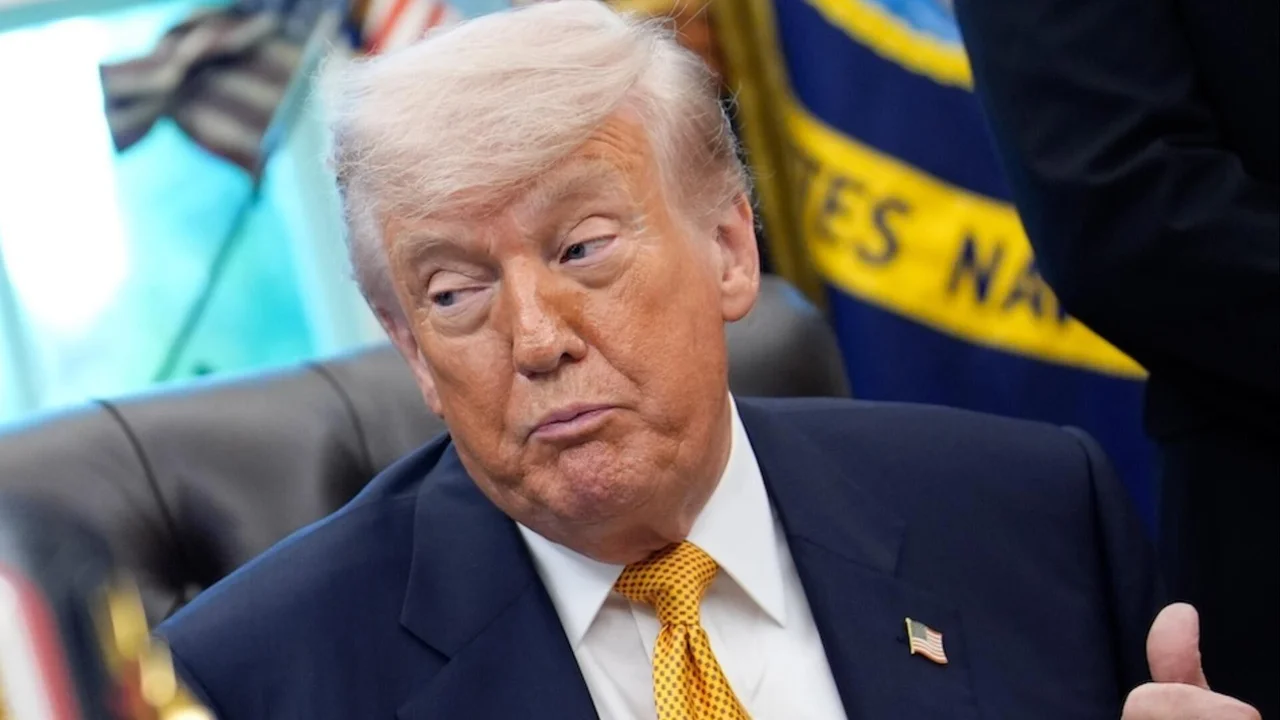
President Trump stated that Iran will not possess nuclear weapons, according to comments made recently. The claim by President Trump indicates a belief that the United States has successfully prevented Iran from acquiring such weaponry, a critical objective in international non-proliferation efforts. This assertion comes amid ongoing discussions regarding regional stability and nuclear proliferation concerns involving Iran, a nation whose nuclear ambitions have long been a point of contention on the global stage. The statement did not specify the basis for this claim or any particular actions taken by the U.S. Government or its allies to ensure this outcome, leaving many details open to interpretation. The former president's remarks suggest a definitive stance on Iran's nuclear future, aiming to reassure audiences about the efficacy of past and potentially future policies.
President's Optimistic Outlook
President Trump stated that a peace deal with the U.S. Is imminent for Iran. The former president made this significant claim, suggesting a resolution to long-standing tensions between the two nations that have often been characterized by diplomatic friction and geopolitical rivalry. This assertion follows previous comments from Trump regarding Iran's nuclear capabilities and the broader relationship between Washington and Tehran. The specific details of the alleged peace deal were not provided in his statement, nor were any timelines or conditions outlined, which has led to speculation about the nature of such an agreement. His remarks indicate an optimistic outlook on future diplomatic relations with Iran, hinting at a potential shift in the dynamic between the two countries. This claim comes as international attention remains focused on the stability of the Middle East and the various relationships between regional powers and global actors, particularly concerning nuclear security and regional conflicts. The nature and scope of the proposed agreement or its potential implications for regional security were not elaborated upon by Trump, leaving observers to ponder the full extent of his assertions.
Regional Tensions Persist
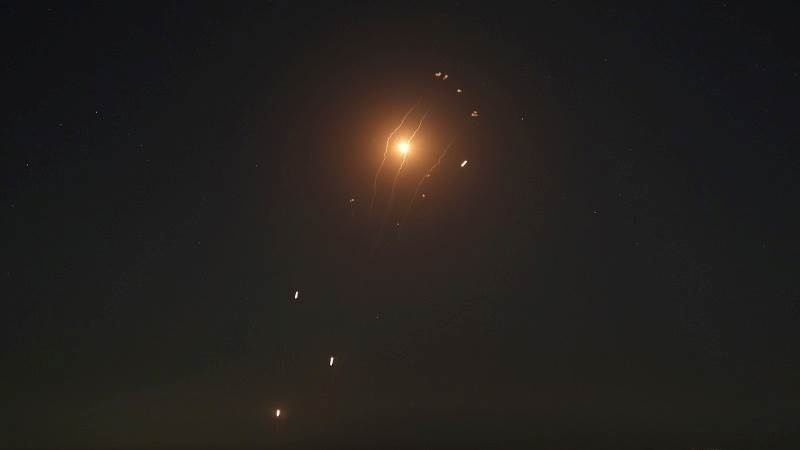
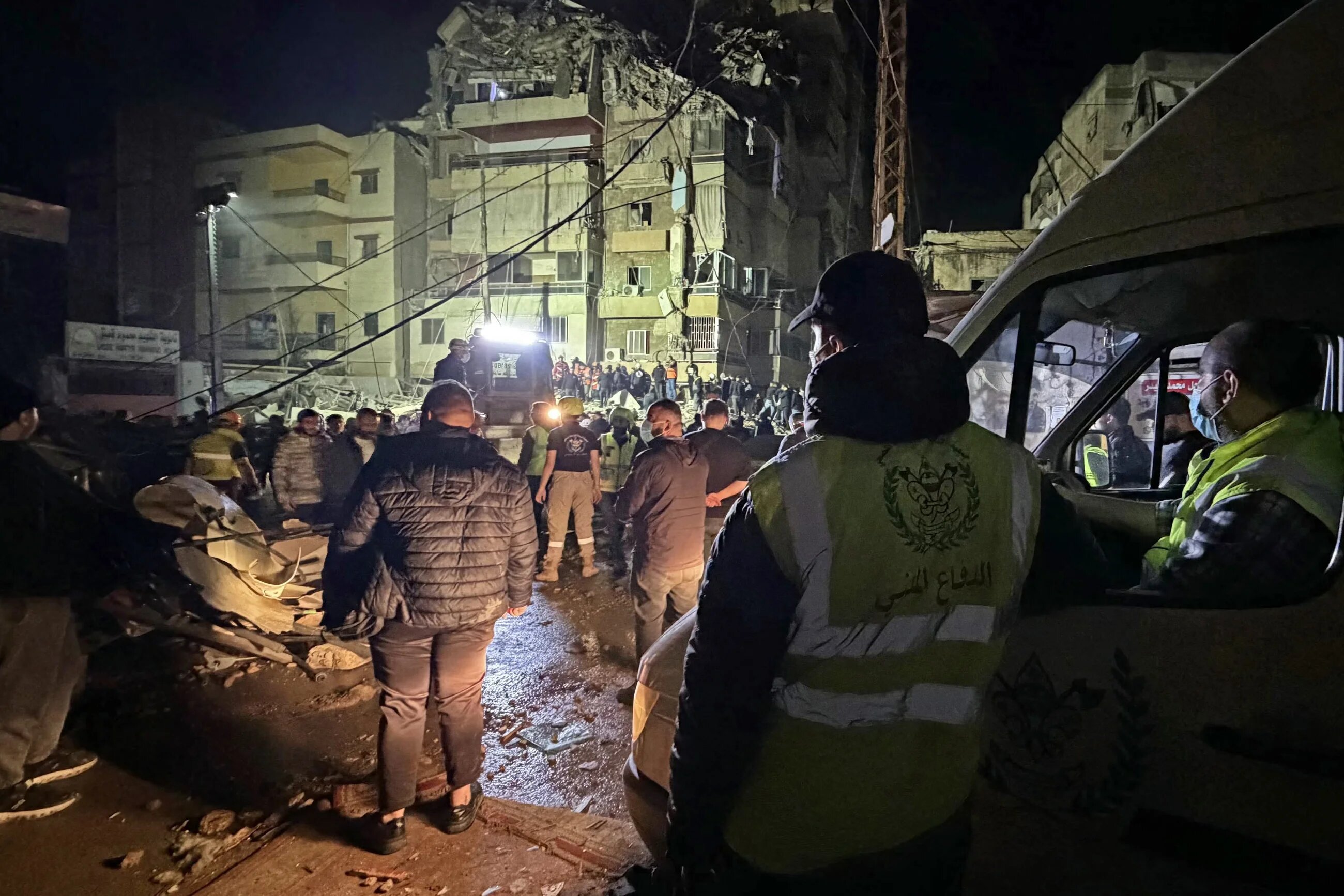
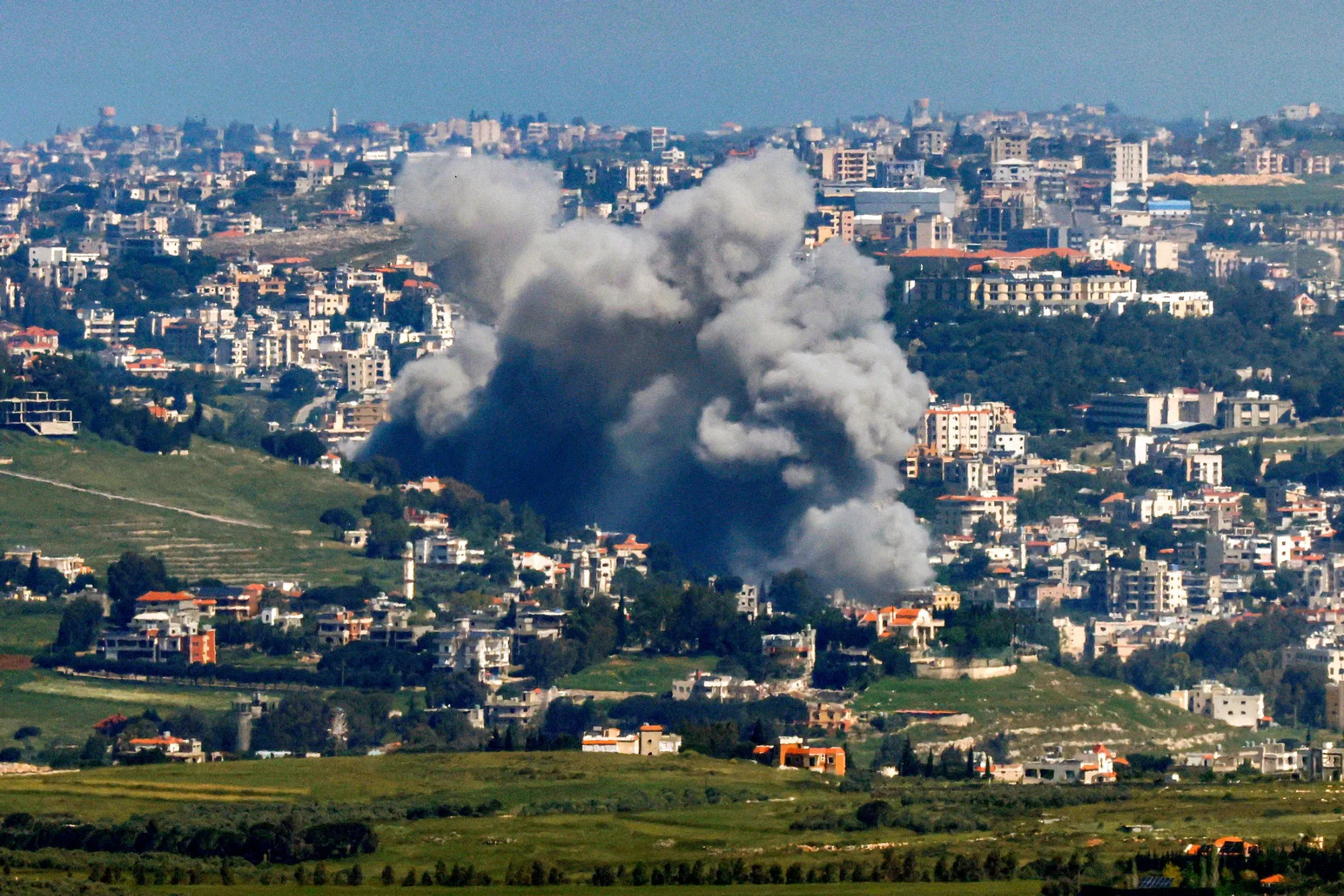
Despite these optimistic pronouncements from President Trump, the reality on the ground in the Middle East continues to reflect persistent instability. Israel resumed strikes in Lebanon, according to reports, indicating a continuation of military engagements in a volatile region. The actions signify continued regional instability despite President Trump's optimistic statements regarding a potential peace deal with Iran, showing a divergence between diplomatic claims and ongoing military activities. The strikes follow a period of heightened tensions in the area, which has seen various flashpoints and confrontations involving multiple actors. These renewed hostilities highlight the complex and often unpredictable nature of Middle Eastern geopolitics, where periods of calm can quickly give way to renewed conflict. The resumption of these strikes serves as a stark reminder that underlying conflicts and security concerns remain active, even as diplomatic initiatives are discussed.
Geopolitical Context
The strikes in Lebanon occurred after a U.S.-brokered ceasefire had been in effect, adding another layer of complexity to the region's security landscape. The resumption of military action in the region shows ongoing volatility, even as diplomatic efforts have sought to de-escalate tensions and foster a more stable environment. The ceasefire had represented a period of reduced hostilities, offering a brief respite from the cycle of violence, and its apparent breakdown signals a return to conflict in the area. This development raises questions about the durability of such agreements and the underlying factors that continue to fuel regional unrest. The situation continues to draw international attention amid broader concerns about Middle Eastern stability, as the region remains a focal point for global security discussions and policy considerations. The breakdown of a U.S.-brokered agreement also notes the challenges inherent in mediating peace in such a deeply entrenched conflict zone.
Broader Implications
The broader implications of President Trump's statements and the ongoing regional developments remain a subject of international scrutiny and debate. His claims of an imminent peace deal with Iran and the prevention of nuclear weapons acquisition contrast sharply with renewed military activity in the Middle East, presenting a complicated picture of the region's future. The resumption of Israeli strikes in Lebanon, following a U.S.-brokered ceasefire, notes persistent volatility in the region, indicating that diplomatic pronouncements do not always translate into immediate peace on the ground. This dynamic situation continues to draw attention to the complex interplay between diplomatic efforts and escalating hostilities, even as President Trump expresses confidence in a resolution with Iran. The juxtaposition of these events shows the multifaceted challenges facing policymakers and the international community in navigating the intricate security landscape of the Middle East. The ongoing developments emphasize the importance of sustained diplomatic engagement alongside efforts to manage and de-escalate regional conflicts.