Israel conducted its first attack on Beirut in weeks, striking Lebanon's capital since a ceasefire was agreed with Hezbollah last month. The strike marked the first Israeli action against Beirut since the truce took effect, signalling a potential escalation in the ongoing conflict. This development occurred amidst a period of delicate calm following recent hostilities between the two sides, raising significant concerns about the stability of the current ceasefire arrangements. The Israeli strike on Beirut marks a critical juncture, as it is the first such attack on the Lebanese capital since a ceasefire was formally agreed with Hezbollah last month. Prior to this latest incident, the last strike in the Lebanese capital was recorded on April 8, according to reports. The current operation represents the first time Israel has targeted Beirut since the truce came into effect, drawing attention to the fragility of the peace efforts.
Escalation Despite Truce
Combat has persisted in southern Lebanon, despite a truce agreement reached on April 17. This continued fighting shows the challenges in maintaining a stable cessation of hostilities in the region. Strikes have continued in the southern regions, indicating ongoing hostilities between the parties even after the formal agreement. These persistent clashes highlight the volatile nature of the border area. Hezbollah, in response to these continued strikes from Israel, has reportedly intensified its own military actions, firing rockets and launching armed drones targeting Israeli troops. These retaliatory actions by Hezbollah illustrate the cycle of violence that continues to plague the border area, despite diplomatic efforts to de-escalate tensions. The ongoing exchanges of fire in southern Lebanon stand in stark contrast to the broader ceasefire agreement, demonstrating that a full cessation of hostilities remains elusive.
Diplomatic Efforts Underway
Israel and Lebanon agreed to a ceasefire on April 16, according to Reuters, a move that was initially seen as a step towards de-escalation. In a significant diplomatic development, the United States has confirmed it will host new talks between Israeli and Lebanese ambassadors next week. This upcoming meeting is particularly noteworthy as Lebanon and Israel are set to engage in face-to-face negotiations for the first time in decades, according to primary reports. Such direct dialogue is considered key for addressing long-standing disputes and fostering a more sustainable peace. Reuters noted that the ceasefire in Lebanon has been a key element of a broader truce established between the United States and Iran, suggesting a wider regional impact of these agreements. The last Israeli strike in Beirut occurred on April 8, Reuters reported, making the recent attack a significant deviation from the period of relative calm. The upcoming diplomatic engagement in Washington aims to solidify a more lasting resolution amidst ongoing regional tensions, with hopes that direct talks can pave the way for a more stable future. The United States' role as a mediator in these critical discussions shows the international community's investment in preventing further escalation.
Broader Context and Warnings
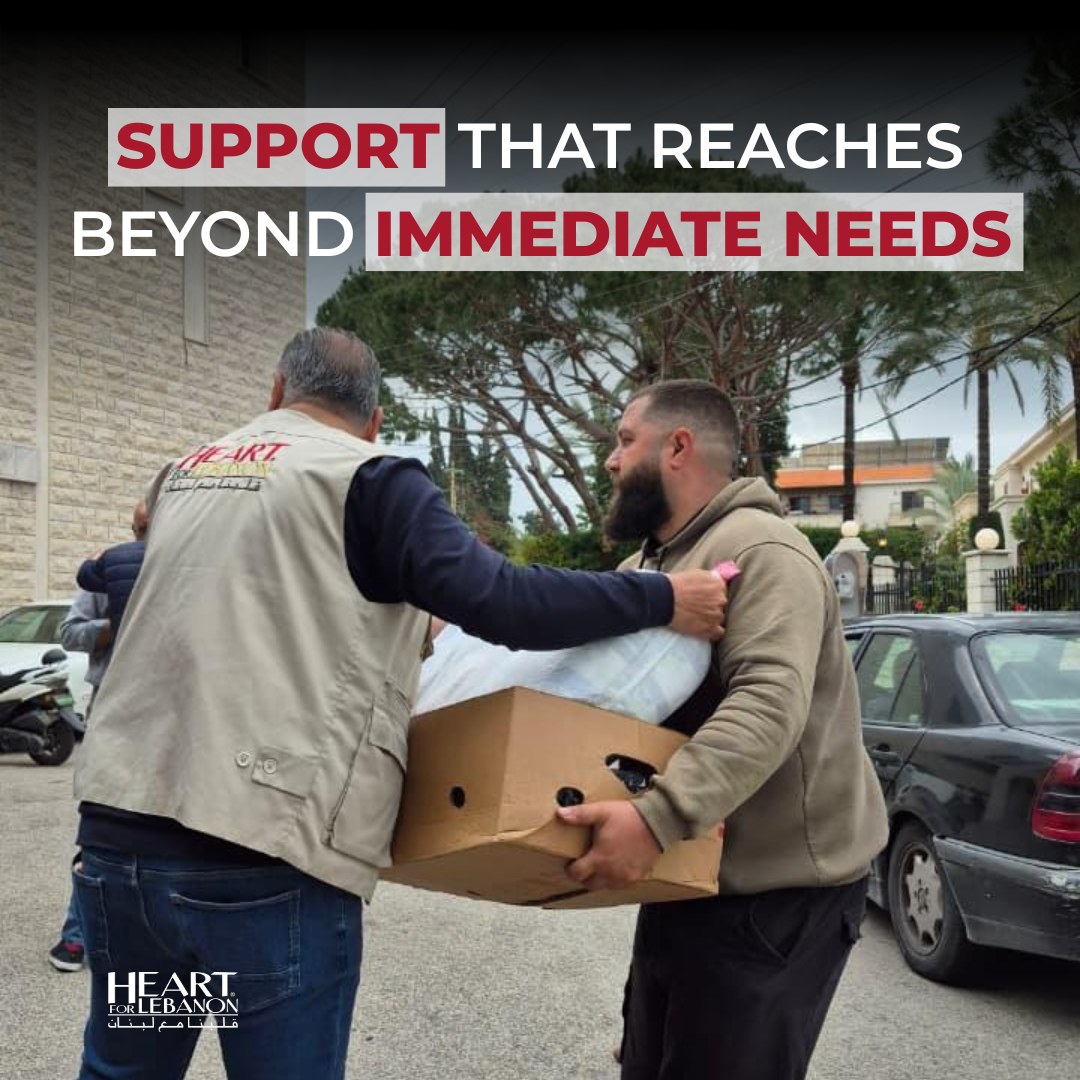
A senior Hezbollah commander was killed in an Israeli strike, according to verified reports, adding another layer of complexity to the already tense situation. This targeted killing is likely to provoke strong reactions and potentially further retaliation from Hezbollah. Earlier on Wednesday, Israel urged residents to evacuate several villages north of the Litani River, indicating an expectation of intensified military activity in the area. Reports indicated that Radwan Force operatives, a specialized unit within Hezbollah, were responsible for firing rockets at Israeli communities and harming IDF soldiers, providing a direct justification cited by Israel for its actions. Israeli forces have remained deployed south of the Litani River, according to reports, maintaining a strong military presence near the border. This deployment suggests a readiness for further engagement and a continued state of alert. Amidst this activity, the aid organization Heart for Lebanon recently added 2,600 new families to its aid roster, reflecting the growing humanitarian crisis and displacement caused by the persistent conflict in the region. The continued combat in southern Lebanon, despite the April 17 truce agreement, shows the deep-seated challenges to achieving lasting peace.