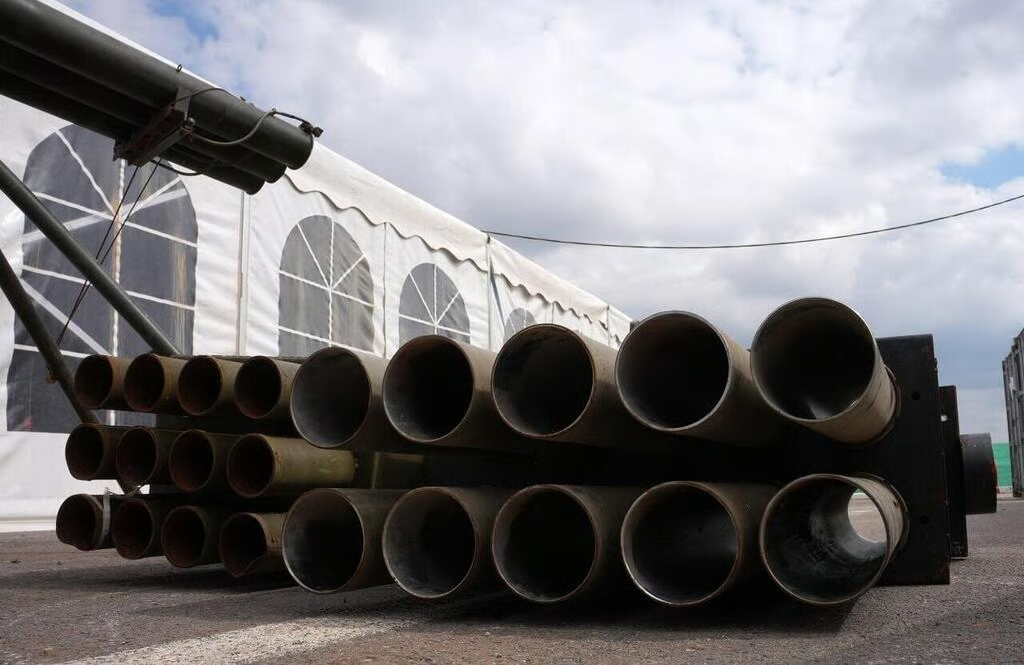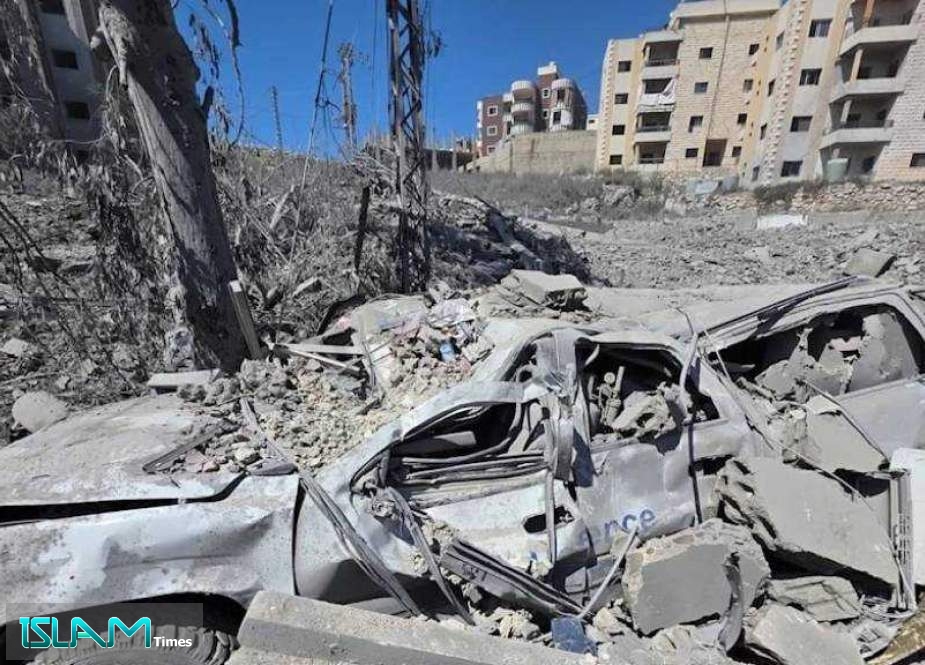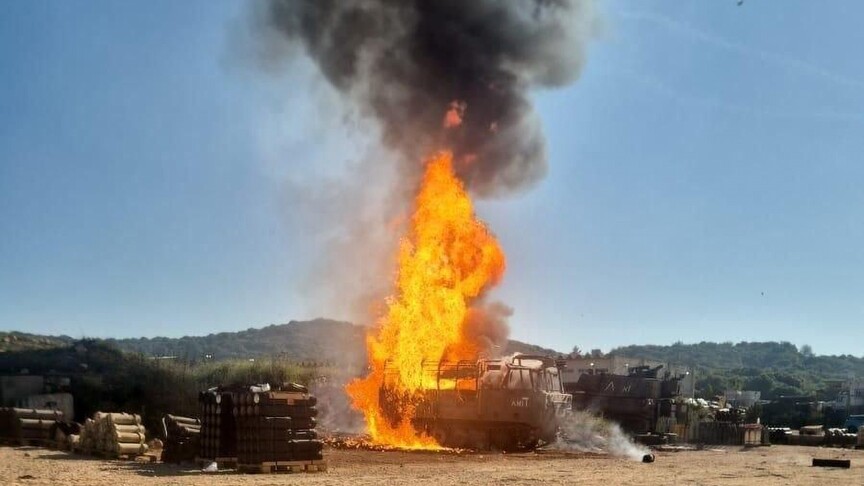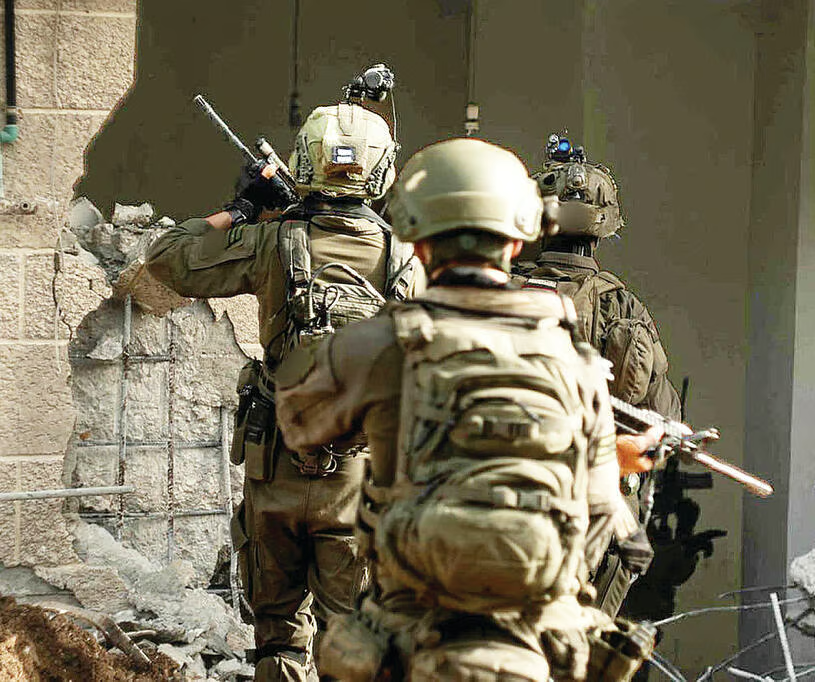
The Israel Defense Forces (IDF) has reduced its troop presence in southern Lebanon, decreasing the force from five divisions to three, as military operations in the region draw comparisons to the strategy previously employed in Gaza. This reduction in force from an initial five divisions to three divisions marks a significant shift in the operational footprint. Observers note the IDF's actions in southern Lebanon appear to mirror its approach in Gaza, suggesting a similar operational blueprint. Indeed, the claim has been made that the IDF is doing in southern Lebanon what looks like a copy-paste of what it did in Gaza, raising questions about the efficacy of repeating a strategy that has faced considerable scrutiny. A ground entry into southern Lebanon was planned in advance, with the stated objective of taking control of an area extending up to 6 kilometers north of the border. This detailed plan for a ground entry, aiming to secure a specific territorial buffer, shows the strategic intent behind the operation. The operation, aimed at what was described as Hezbollah’s final destruction, commenced with significant public announcement, indicating a clear and ambitious goal for the military campaign.
Operational Details and Objectives
The 36th Division of the Israel Defense Forces is reportedly focused on offensive operations within southern Lebanon, specifically in the area overlooking Metula and Misgav Am, extending towards the Litani River. This concentrated effort by the 36th Division notes the specific geographic focus of the current military actions. Forces are engaged in eliminating cells, preparing routes, and destroying infrastructure attributed to Hezbollah, systematically dismantling the organizational and logistical capabilities of the group. A military official explained the complexities of fighting in built-up areas, citing Qantara as an example where all buildings were reportedly acquired by Hezbollah. The official stated that weapons were discovered in every house in Qantara, and forces located two kilometers of underground infrastructure there. This detailed account from Qantara illustrates the entrenched nature of Hezbollah's presence and the challenges faced by ground forces. The official further elaborated on the nature of urban combat, explaining that in fighting in built-up areas like Qantara, the extent of Hezbollah's control was evident through their acquisition of properties and the widespread presence of weaponry. The discovery of two kilometers of subterranean networks within Qantara further complicates military efforts, revealing the sophisticated defensive preparations made by Hezbollah.
The official emphasized the necessity of these actions, saying, "I have to clean the area, create a security zone, so I have control, so a terrorist cannot return and harm our forces. There is not one righteous house there." This assertion shows the perceived imperative of establishing a strong security perimeter to prevent future threats. Reports indicated that a primary objective was blocking anti-tank fire directed at northern communities, which was considered the most significant threat. The goal of mitigating this specific and potent threat was critical in the strategic planning. The military official reiterated that cleaning the area was essential for establishing a security zone, reinforcing the idea that territorial control and the elimination of hostile infrastructure are critical for long-term security. "What is happening is a tragedy," the official added, reflecting on the situation, acknowledging the human cost and complexity of the conflict. The strategic aim involves establishing a controlled buffer to prevent future incursions and attacks from the region, a measure deemed key for the safety of Israeli communities. This objective of creating a security zone by cleaning the area is a recurring theme, noting its central role in the IDF's operational doctrine in southern Lebanon.
Strategic Parallels and Criticisms
The operation in southern Lebanon is considered legitimate, though its overall usefulness remains uncertain, according to reports. While the legitimacy of defending against perceived threats is acknowledged, the long-term effectiveness and strategic utility of the current approach are subjects of ongoing debate. Albert Einstein's observation that "Insanity is doing the same thing over and over again and expecting different results" has been cited in this context, drawing a parallel to the perceived repetition of military strategies without achieving definitive outcomes. The Israel Defense Forces (IDF) reportedly undertook several actions that could be seen as tempting Hezbollah to initiate fire, suggesting a proactive stance that risked escalation. These actions, designed to provoke a response, raised questions about the IDF's intent and its understanding of Hezbollah's operational calculus.
Hezbollah absorbed these attacks for a period, continuing to do so until early March. This period of restraint by Hezbollah, despite perceived provocations, indicates a calculated strategic patience on their part. However, in early March, missiles were launched from Lebanon in large numbers, marking a significant escalation after a period of relative absorption of IDF actions. Reports also indicated that while the IDF considered the threat of anti-tank missiles, it overlooked the potential impact of drones, a critical oversight given the evolving nature of modern warfare. This failure to adequately account for drone capabilities suggests a gap in threat assessment and preparedness. Israel's decision-makers are reported to prioritize targeted killings as a strategic approach, indicating a preference for precise, high-value operations over broader military engagements. This emphasis on targeted killings is a key aspect of Israel's current strategic doctrine, influencing the nature and scope of its military operations.
Potential Repercussions and Future Outlook
The U.S. Administration and the heads of its security branches reportedly held a "blood account" with Hezbollah, signifying a deep-seated animosity and a history of retaliatory actions. Reports indicated that in previous conflicts in Lebanon, specifically in 1982 and 2006, American involvement served as a restraining influence, often mediating or de-escalating tensions. However, in the current context, the U.S. Was described as a motivating factor for Hezbollah, a stark reversal of its historical role and a significant shift in regional dynamics. This change in the U.S. Role suggests a more complex geopolitical landscape where American actions may inadvertently fuel, rather than temper, the conflict.
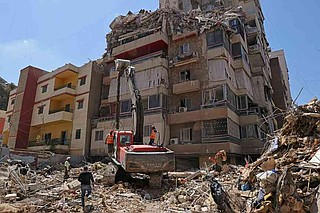
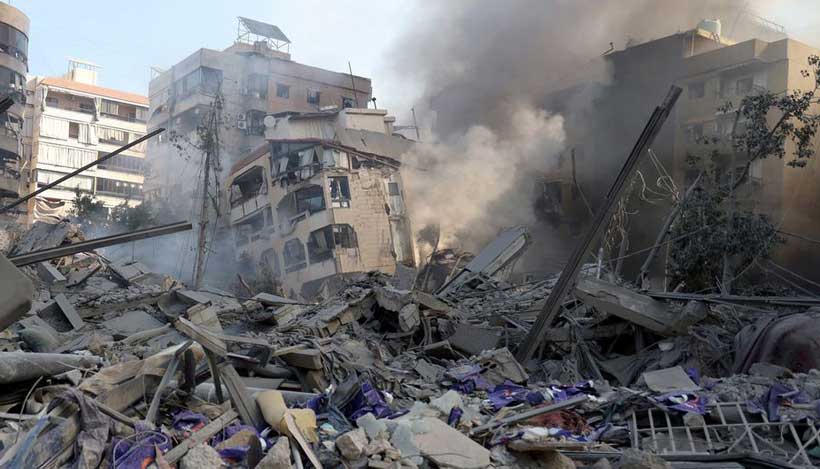
Meanwhile, the organization has seen a resurgence in popularity within Lebanon in recent weeks. This renewed public support for Hezbollah, despite the ongoing conflict, notes the complex interplay of political, social, and military factors within Lebanon. A military official stated that when the million Lebanese who were displaced from their homes, with half originating from southern Lebanon and half from Dahiyeh, eventually return to find ruins, they will likely resume supporting Hezbollah. This prediction shows the potential for displacement and destruction to inadvertently strengthen Hezbollah's popular base, portraying the organization as a protector or a symbol of resistance against external forces. The official also detailed the challenges of urban combat, citing Qantara as an example. "That is what happens in fighting in built-up areas," the official commented. "Take Qantara as an example: All the buildings in the village were bought by Hezbollah. We found weapons in every house. We located 2 kilometers of underground infrastructure there." This reiteration of the Qantara example emphasizes the widespread nature of Hezbollah's presence in civilian areas and the intricate difficulties faced by the IDF in dislodging them. The official's account serves as a testament to the extensive preparations made by Hezbollah to integrate military infrastructure within civilian locales, making distinctions between combatants and non-combatants incredibly challenging.
The official emphasized the operational necessity of these actions, stating, "I have to clean the area, create a security zone, so I have control, so a terrorist cannot return and harm our forces. There is not one righteous house there." This firm declaration reinforces the military's perspective on the need for decisive action to secure its borders and prevent future attacks. Reflecting on the broader situation, the official added, "What is happening is a tragedy," a poignant acknowledgment of the devastating consequences of the ongoing conflict on all parties involved. This sentiment encapsulates the heavy toll of the hostilities, both in terms of human suffering and the destruction of communities. The ongoing military operations, while framed as necessary for security, carry significant risks of further entrenching the conflict and potentially bolstering the very organizations they aim to dismantle, particularly if the civilian population perceives the actions as punitive rather than protective. The long-term implications of this strategy, especially concerning the sentiments of displaced populations and the shifting dynamics of regional alliances, remain a critical concern for stability in the Middle East.