Hezbollah stated early Friday that its fighters conducted 13 attacks targeting Israeli forces and military sites. The Lebanese group said the operations were carried out "in defense of Lebanon and its people," responding to what it described as intensified Israeli attacks in southern Lebanon. These claimed strikes represent a significant escalation in cross-border activity between the two adversaries. The group's declaration shows the ongoing tensions in the region, particularly along the shared border.
Details of the Attacks
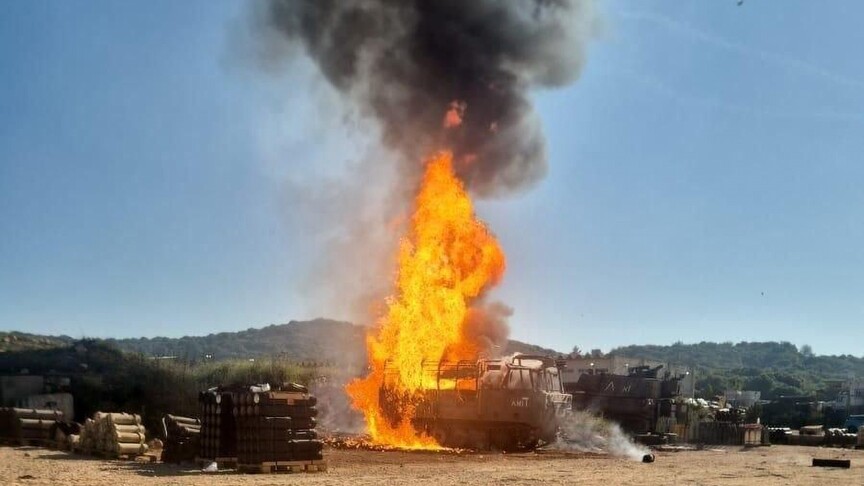
Hezbollah stated its fighters targeted Israeli troop gatherings, military vehicles, and positions in southern Lebanon using drones, artillery shells, and guided weapons. The group detailed specific targets, emphasizing the precision of its operations. Among the targets was a military bulldozer in the town of Deir Siryan, which Hezbollah claimed was directly hit. Hezbollah also claimed to have struck two Merkava tanks, one in the town of al-Bayyada and another in Bint Jbeil, further noting its focus on Israeli military hardware.
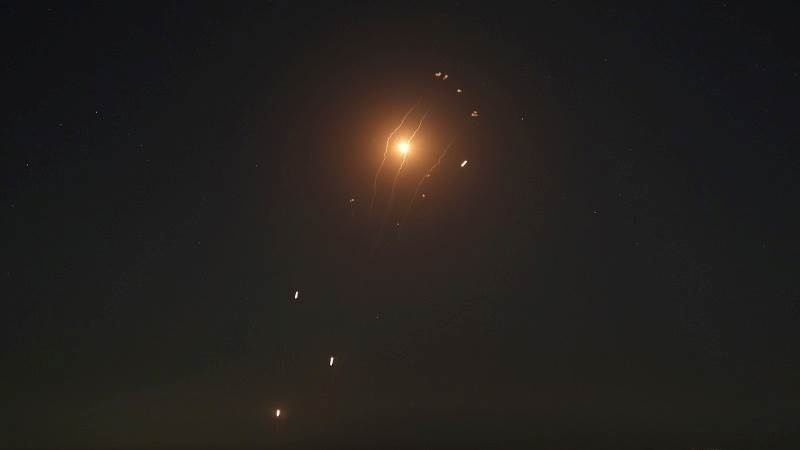
Further attacks reportedly targeted an Iron Dome platform located near the Jal al-Allam site, a critical component of Israel's air defense system. The group also said it hit a command center in al-Bayyada, suggesting an attempt to disrupt Israeli operational capabilities. Additionally, Hezbollah announced it targeted three distinct groups of Israeli soldiers and vehicles. These engagements took place in the towns of Shamaa and Deir Siryan, as well as in the strategic Alman al-Qusayr triangle area. According to Hezbollah, these operations were conducted "in defense of Lebanon and its people" and were a direct response to perceived Israeli aggression.
Escalation and Context
Fiber-optic drones launched by Hezbollah against Israeli troops operating in southern Lebanon have presented a growing challenge for Israel in recent weeks due to their detection difficulty. These advanced drones have made it increasingly difficult for Israeli forces to anticipate and counter attacks. Israeli Prime Minister Benjamin Netanyahu recently described these drones as a "major threat" and called on the army to confront them more effectively. The current cross-border activity occurs despite a ceasefire that was announced on April 17 and later extended until May 17, indicating a breakdown in de-escalation efforts. The continued fighting, despite the agreed-upon truce, points to the fragile nature of any temporary agreements in the conflict zone.
Israel occupies areas in southern Lebanon, including some territories it has held for decades and others since the 2023-2024 conflict. This long-standing occupation is a key point of contention. During the current hostilities, Israel has advanced approximately 10 kilometers (6.2 miles) inside the southern border, further deepening its presence in Lebanese territory. Hezbollah maintains that its operations are carried out "in defense of Lebanon and its people," framing its actions as resistance against this occupation and ongoing incursions.
Hezbollah's Stated Motives and Humanitarian Impact
Hezbollah stated the attacks were conducted "in defense of Lebanon and its people," citing Israeli ceasefire violations and assaults on villages in southern Lebanon as justification for its actions. The group emphasizes that these operations are a necessary response to ongoing hostilities in the region and an attempt to protect Lebanese civilians and sovereignty.
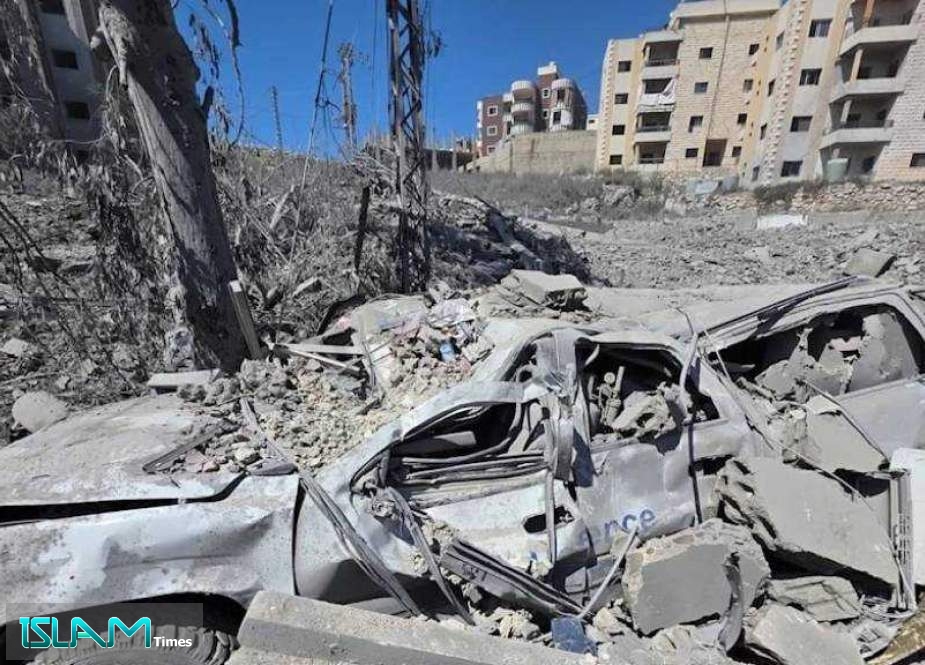
The humanitarian toll of the conflict has been severe. Since March 2, Israeli attacks on Lebanon have resulted in the deaths of at least 2,727 people and wounded 8,438. Additionally, the violence has displaced more than 1.6 million individuals, representing approximately one-fifth of Lebanon's total population, according to the latest official figures. These statistics show the devastating impact of the conflict on the civilian population and the widespread displacement it has caused across southern Lebanon. The continued escalation threatens to exacerbate an already dire humanitarian situation.