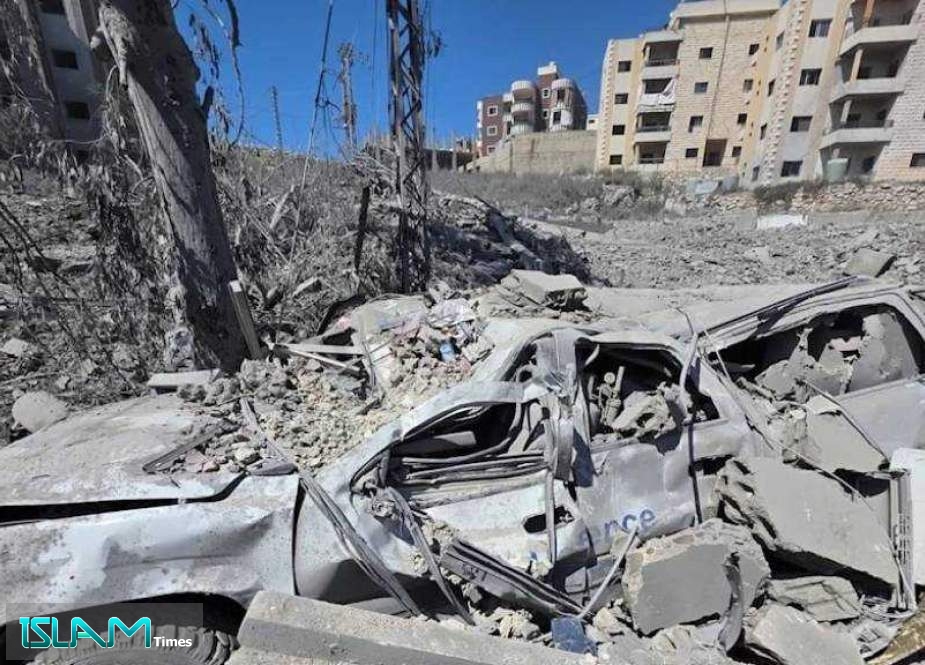
Lebanese journalist Amal Khalil was killed in an Israeli strike in southern Lebanon, an incident which Israel stated was under review. Her death has focused attention on the conflict in Lebanon, which has become part of a much larger global debate. This debate concerns whether the international community is witnessing the gradual normalisation of war without meaningful rules or restraints, according to observers. The tragic loss of Ms. Khalil’s life has showed the severe risks faced by civilians and non-combatants in the region, drawing international condemnation and calls for thorough investigation. The incident contributes to growing concerns among humanitarian organisations and legal experts about the conduct of modern warfare.
Escalating Tactics and Civilian Risk
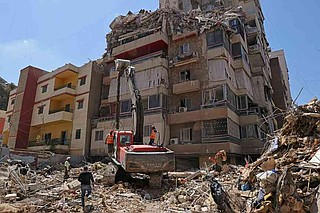
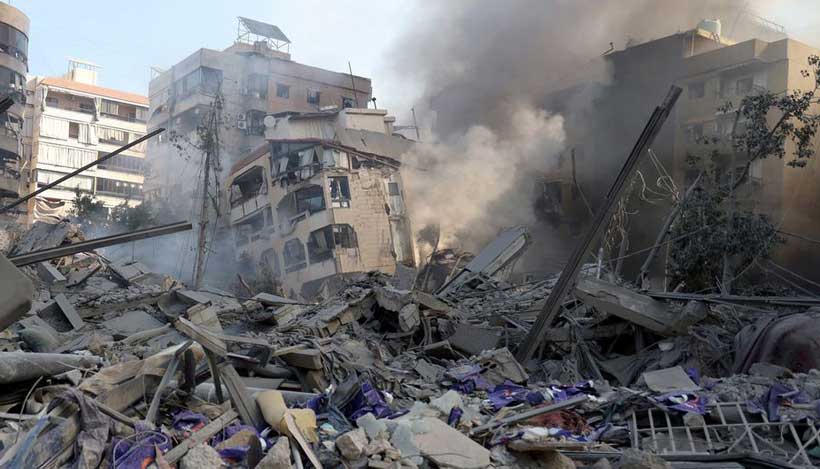
Repeated strikes on residential areas, civilian infrastructure, and evacuation routes in Gaza and southern Lebanon have raised questions about whether civilian protection remains a genuine priority during military operations. These actions have prompted significant international scrutiny regarding adherence to established protocols for safeguarding civilians in conflict zones. The deployment of advanced drones, artificial intelligence-assisted targeting systems, and prolonged military campaigns in densely populated civilian areas has intensified fears that international humanitarian law is losing its deterrent power. These technological advancements, while offering military advantages, also introduce new complexities in ensuring the safety of non-combatants. Statements from Israeli officials comparing Beirut’s southern suburbs to heavily damaged areas in Gaza have further fueled concerns that military tactics seen in Gaza are now influencing operations in Lebanon, potentially leading to similar levels of destruction and civilian casualties.
Broader Pattern of Weakening Rules
Humanitarian organisations and legal experts contend that such incidents are part of a broader pattern emerging across contemporary conflicts. These groups argue that the increasing frequency of civilian casualties and the targeting of critical infrastructure suggest a dangerous shift in the global landscape of armed conflict. Concerns are growing that wars are increasingly being fought with fewer restrictions and weaker accountability, according to these groups. The death of Lebanese journalist Amal Khalil, for instance, drew comparisons to the case of six-year-old Hind Rajab in Gaza. Rajab was found dead alongside family members and two paramedics who had attempted to rescue her, after being trapped in a car under fire for days. These cases highlight a perceived erosion of established norms governing conduct in armed conflict, prompting urgent calls from international bodies for renewed commitment to humanitarian principles. The circumstances surrounding these deaths fuel the larger debate about the normalisation of warfare without adequate rules or restraints.
International Scrutiny and Accountability
Lebanese officials accused Israel of deliberately targeting journalists, asserting that the strike occurred despite an active ceasefire. This claim adds another layer of complexity to the incident, raising questions about the rules of engagement and the protection afforded to journalists under international law. The deaths of journalists and humanitarian personnel have become a significant concern for international organizations and press freedom advocates globally. These groups note a rising trend of attacks on those protected by international law, emphasizing the critical role these individuals play in reporting on conflicts and providing aid. The United Nations has repeatedly warned that insufficient action regarding civilian protection could have consequences extending beyond the Middle East. This warning underlines broader anxieties about the erosion of international humanitarian law in contemporary conflicts, suggesting a potential ripple effect on future global security. The increasing number of journalists and aid workers killed in conflict zones has prompted calls for greater accountability and adherence to established rules of engagement, with many advocating for independent investigations into such incidents. International bodies are scrutinizing military actions in conflict zones, particularly where civilian casualties are high, urging all parties to uphold their obligations under international humanitarian law.