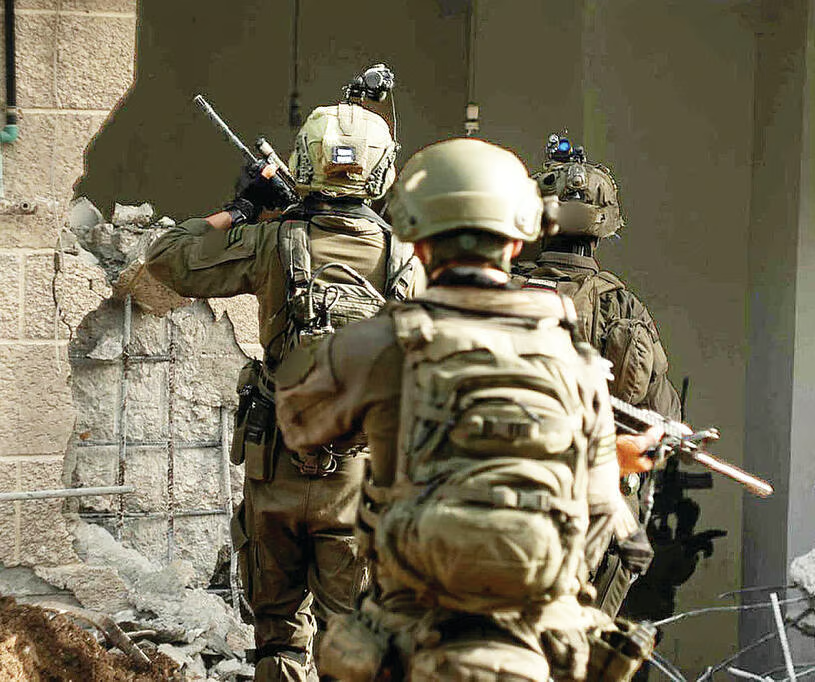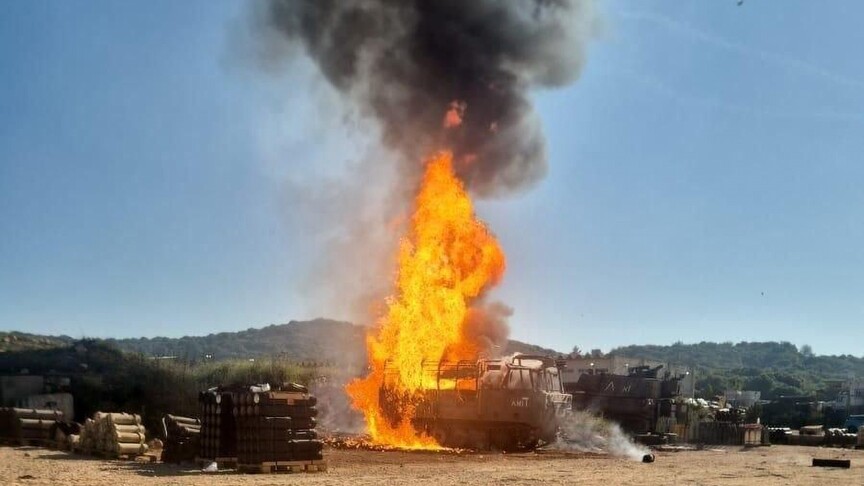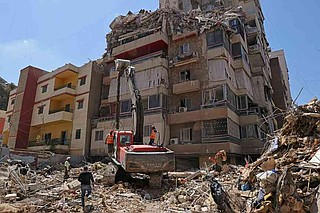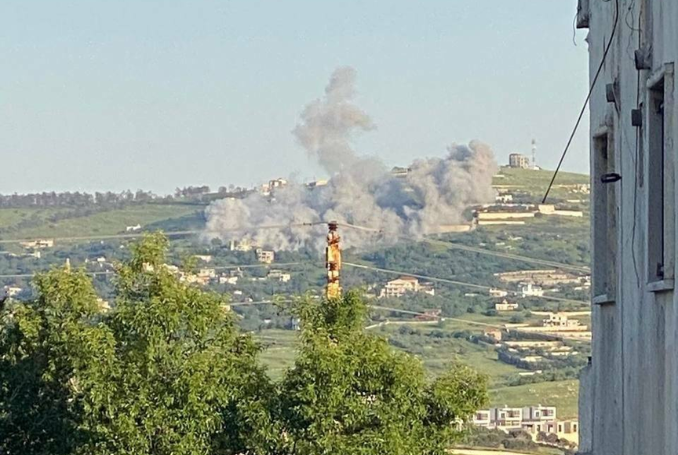
Israeli airstrikes and artillery shelling continued across southern Lebanon, including the towns of Deir Zahrani and Mayfadoun in Nabatieh district, with an airstrike specifically targeting Mayfadoun. These ongoing military actions have intensified regional tensions, contributing to a volatile security landscape. Concurrently, two Israeli soldiers were wounded in Hezbollah attacks, which included a separate Hezbollah drone impact in the area, noting the direct engagement between the two parties. These military actions unfolded as reports indicated six Palestinians were wounded after an Israeli bombing targeted a house in Al-Shati camp west of Gaza City, further demonstrating the widespread impact of the conflict.
The Israeli military operations in southern Lebanon involved sustained shelling in addition to the targeted airstrikes, impacting various localities. Hezbollah's response included sophisticated drone activity, leading to injuries among Israeli personnel and showcasing their operational capabilities. The incident in Al-Shati camp further noted the ongoing conflict, with the strike reportedly causing casualties among the civilian population in Gaza, showing the humanitarian cost of the hostilities. These events reflect a continued pattern of reciprocal military engagements across the region, with both sides conducting operations in response to perceived threats and previous attacks. The escalation has drawn international concern regarding the stability of the broader Middle East.
Escalation in Southern Lebanon
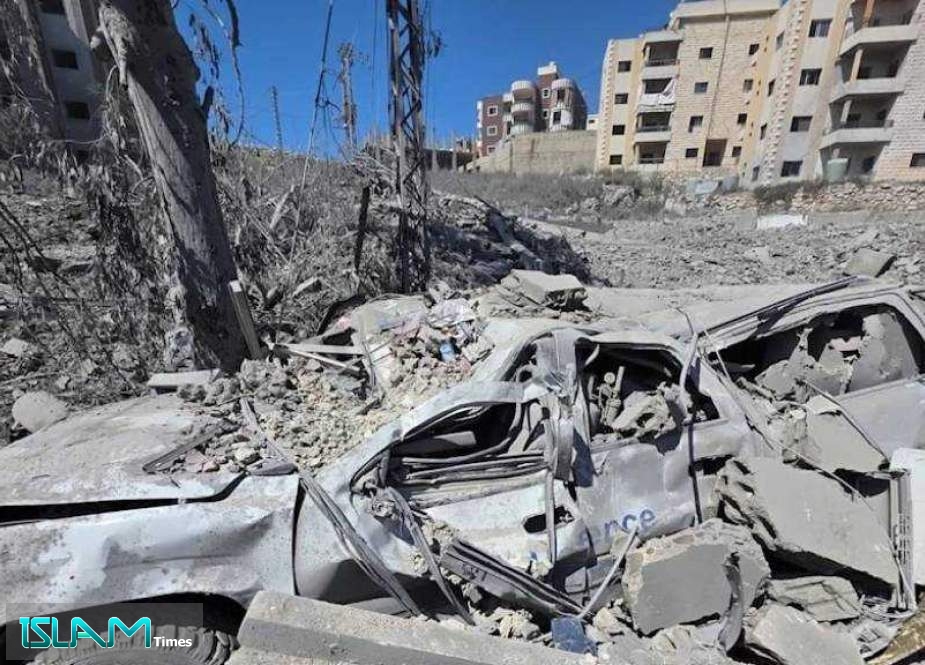
An Israeli raid on the town of Anqoun in the Sidon district resulted in the martyrdom of two people and the injury of another citizen. This incident contributed to reports of ten martyrs from Israeli attacks in southern Lebanon, including casualties in Anqoun near Sidon, and four individuals killed in strikes on three other southern villages. These attacks show the severe human cost of the ongoing conflict. Israel carried out several airstrikes on southern Lebanon on Friday, with at least 10 people reported killed in these operations. Among the most devastating was an airstrike on Habboush, which killed six people, including a woman and a child, and wounded eight others, adding to the growing number of civilian casualties.
Paramedics in southern Lebanon recovered the bodies of five people from under rubble in Kfar Rumman on Thursday, following an airstrike late Thursday. Those killed in Kfar Rumman included a man and his three sons, as well as a Lebanese soldier named Ali Jaber, illustrating the personal tragedies inflicted by the conflict. Reports indicated that two Lebanese Red Cross volunteers have also been killed by Israeli strikes, noting the dangers faced by humanitarian workers operating in the affected areas. The cumulative impact of these strikes has been significant, displacing populations and causing extensive damage to infrastructure.
Israeli airstrikes also targeted the outskirts of Nabi Sheet in the Bekaa Valley in eastern Lebanon, indicating a broader geographical scope of operations beyond the immediate border areas. Further Israeli aerial operations targeted the towns of Kfar and Khirbet Selm in southern Lebanon, causing additional destruction and fear among residents. Israeli occupation forces carried out a bombing in the city of Bint Jbeil, a historically significant area in previous conflicts. Additionally, an Israeli airstrike targeted Daiyeh, located in southern Beirut, marking a significant expansion of the operational zone and raising concerns about potential escalation in urban centers. These repeated strikes across various Lebanese regions demonstrate the extensive nature of the Israeli military campaign.
Hezbollah's Response and Gaza Front
Hezbollah announced multiple operations targeting Israeli military vehicles, troop gatherings, Merkava tanks, and the Meron military base in northern occupied Palestine, outlining their strategic objectives. The Islamic Resistance stated it targeted a Merkava tank near Baydar al-Faqani in the town of Taybeh with a guided missile, which was then observed burning, confirming the effectiveness of their strike. Another operation by the Islamic Resistance involved a squadron of attack drones targeting the Meron air operations monitoring and management base in northern occupied Palestine, a critical Israeli military installation. This base, responsible for air traffic control and surveillance, represents a high-value target for Hezbollah.
The group also used a loitering drone to target a Merkava tank at the newly established Nimr al-Jamal site, achieving a confirmed hit, demonstrating their varied tactical approaches. In the Labouneh area, the Islamic Resistance launched a swoop attack against a gathering of occupation soldiers, reporting a confirmed hit, indicating close-range engagement. Hezbollah also stated it targeted a gathering of Israeli enemy vehicles in the town of Tayr Harfa with a squadron of attack drones, emphasizing their use of coordinated drone attacks against ground targets. These operations highlight Hezbollah's sustained efforts to counter Israeli military presence and activities.
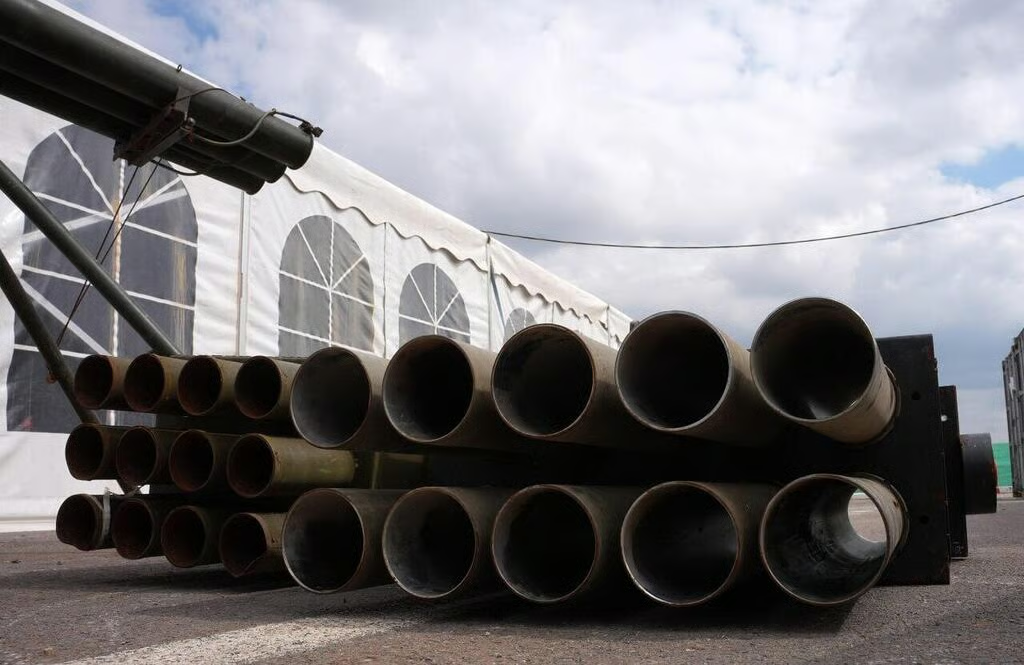
Hezbollah reported firing rockets and drones at northern Israel, demonstrating their capacity to project force across the border. By Friday afternoon, Hezbollah had issued six statements confirming it launched drones and rockets at various Israeli military positions, detailing the frequency and breadth of their attacks. The Israeli military confirmed an explosive drone launched by Hezbollah fell in northern Israel near the border, acknowledging the threat posed by these unmanned aerial vehicles. Israeli media reported a drone strike near Margaliot in northern Israel caused a fire, indicating material damage from the attacks. Additionally, a barrage of rockets was fired toward Israeli occupation army positions in the eastern sector of southern Lebanon, maintaining pressure on Israeli forces stationed there. Significantly, rockets also targeted the Haifa area for the first time since the ceasefire, marking a notable escalation and extension of Hezbollah's range of attack. This development suggests a potential shift in the scope of the conflict, reaching deeper into Israeli territory.
Iran's Warnings and Gulf Tensions
Unconfirmed reports of explosions emerged in the United Arab Emirates (UAE) as Iranian officials issued sharp warnings against Abu Dhabi’s regional role, suggesting a widening of geopolitical tensions. Satellite surveillance data indicated a collapse in exports at Fujairah port following unidentified strikes on Monday, pointing to potential disruptions in critical shipping lanes. In the vicinity of the Strait of Hormuz, reports indicated a limited exchange of fire with the American enemy approximately two hours before May 8, 9:22 PM (Palestine Time), suggesting direct, albeit brief, confrontation. The clashes near Hormuz subsequently ceased, and the atmosphere became calm after a period of exchanging fire, preventing a further escalation in this strategic waterway. Separately, explosions were heard near the city of Sirik in Iran, the cause of which remains unclear.
Iranian authorities dismissed claims that Iranian forces had targeted a Chinese oil tanker, stating such allegations aimed to undermine the achievements of Abbas Araqchi’s visit to Beijing, suggesting a political motive behind the accusations. They affirmed the attack on the Chinese oil tanker in the Strait of Hormuz was not carried out by Iranian forces, categorically denying involvement. Domestically, three Starlink satellite devices were seized in Qom, Iran, noting efforts by authorities to control communication infrastructure. Meanwhile, crowds rallied in Tehran in support of Iran’s armed forces, demonstrating public backing for the military. Mass rallies were also held in Revolution Square in the Iranian capital, Tehran, expressing support for the leadership and armed forces, showing national unity in the face of regional challenges.
Broader Context and Ceasefire Dynamics
More than 100 health workers have been killed in Lebanon during the war, according to reports, illustrating the severe impact on essential services and personnel. Separately, one martyr, 10 wounded, and four missing were reported following an American aggression against a civilian fishing vessel in Minab, which was carrying 15 sailors, noting incidents involving international actors. A ceasefire between Israel and Hezbollah has been in place since April 17, providing a temporary halt to hostilities. This ceasefire was later extended by three weeks, indicating ongoing diplomatic efforts to maintain a cessation of violence. The latest war between Israel and Hezbollah began on March 2, marking the formal commencement of this round of intense conflict. This conflict started two days after the United States and Israel launched a war on Iran, providing a broader geopolitical context to the current regional instability.
Lebanon and Israel have held their first direct talks in over three decades, despite formally being in a state of war since 1948, representing a significant diplomatic development. These talks, though preliminary, offer a glimmer of hope for future de-escalation. The Health Ministry reported on Friday that the war's death toll has reached 2,618, with 8,094 individuals wounded, painting a stark picture of the human cost of the ongoing hostilities. These figures encompass casualties from various fronts of the conflict, reflecting the widespread suffering and destruction. The cumulative impact of these events continues to reshape the regional security landscape, with humanitarian concerns growing amidst the persistent military engagements and political tensions.