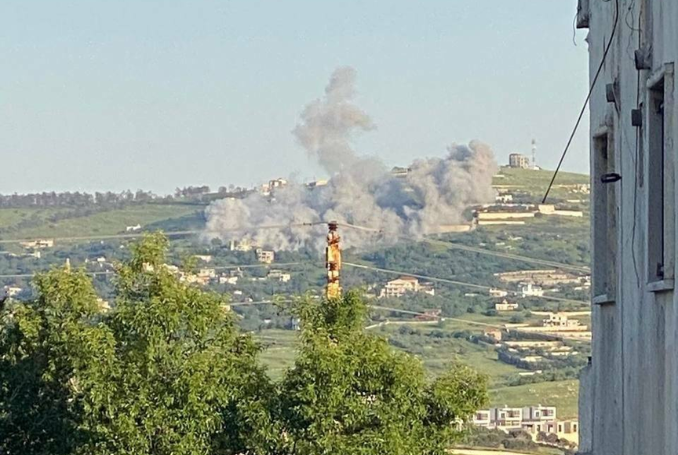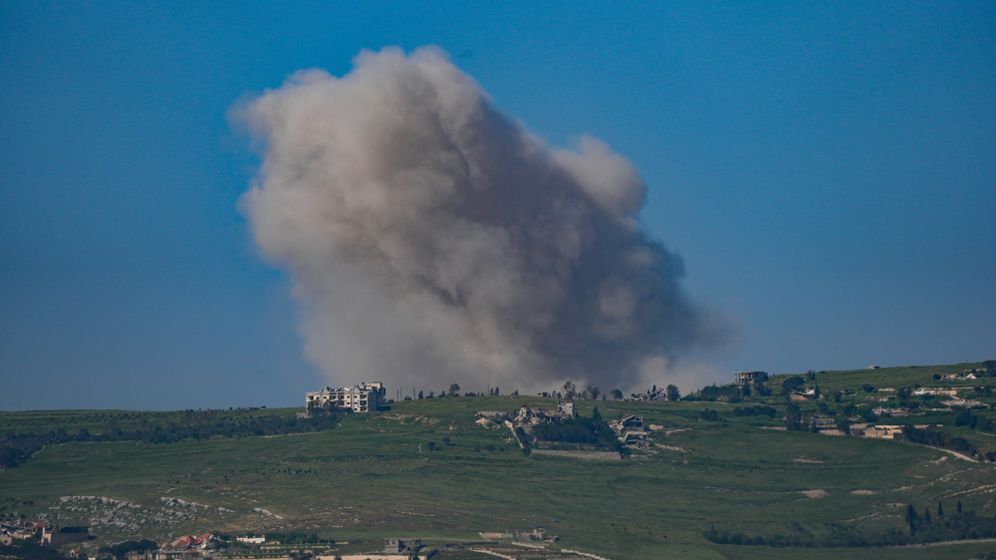
Three people were killed on Saturday in southern Lebanon following an Israel Air Force strike targeting Hezbollah terrorists, according to Lebanese media reports. The incident occurred as tensions remain high in the region, marking another significant event in the ongoing cross-border hostilities. The strike was reported to have taken place in a sensitive area, leading directly to the fatalities mentioned in the initial reports. Lebanese media outlets provided initial details of the event, indicating the immediate impact of the military action. These reports noted the severity of the strike and its fatal consequences for those targeted. The specific circumstances surrounding the strike and the identities of the deceased were central to the early coverage from these sources, showing the immediate human cost of the conflict. Such incidents frequently exacerbate the already volatile security landscape along the border.
Evacuation Warnings Issued
In a related development, the Israeli military issued evacuation warnings for several southern Lebanese towns, including Burj Rahal and Aabbasiyyeh. The warnings advised residents to evacuate their homes ahead of potential military operations, signaling an escalation in planned activities. These advisories were communicated through various channels, urging civilians to move to safer areas to avoid being caught in the crossfire. The Israeli military statement did not specify the exact nature or timing of the anticipated actions, but emphasized the critical importance of civilian safety in these volatile areas. Such warnings have become a recurring feature in areas close to the border, reflecting the ongoing and heightened security concerns in the region. Residents in the designated areas were urged to comply with the instructions for their own protection, noting the serious nature of the threats perceived by the military. The issuance of these warnings often precedes or accompanies significant military movements or strikes, reinforcing the need for civilian caution and preparedness. This precautionary measure is a standard protocol in zones experiencing active conflict, aiming to minimize civilian casualties amidst military engagements.
Israeli Military Operations Context
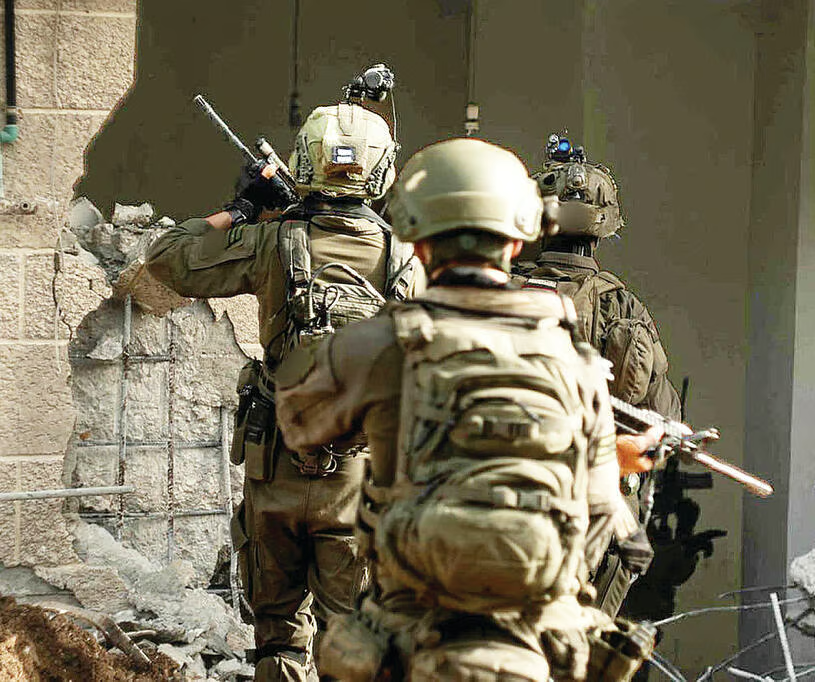
Israel maintains a buffer zone in southern Lebanon that extends as far as 10 kilometers into Lebanese territory. This zone is an integral part of ongoing military operations along the border region, established to enhance security for Israeli communities. The presence of this buffer zone contributes significantly to the volatile security situation, frequently leading to exchanges of fire and targeted strikes. Military activities within this designated area have consistently escalated tensions between Israeli forces and groups operating within southern Lebanon. The establishment and maintenance of such zones often aim to provide a security perimeter for border communities, acting as a defensive measure. Military actions within this zone are consistently monitored by international observers, who frequently express concerns about the potential for broader conflict. The extension of this zone shows the strategic considerations driving security policies in the region, reflecting Israel's efforts to counter perceived threats. These operations are a critical component of Israel's defense posture against perceived threats emanating from Lebanese territory, particularly from groups like Hezbollah. The existence of this buffer zone is a constant point of contention and a key factor in the recurring military engagements in the area.
Broader Regional Tensions
The ongoing conflict between Israel and Hezbollah has significantly intensified across the border region, contributing to broader regional instability. Tensions have been particularly high in areas like southern Lebanon and northern Israel, where frequent exchanges of fire and military actions have become commonplace, impacting daily life for residents. This escalation is part of a wider geopolitical dynamic impacting the Middle East, with various regional and international actors closely watching developments. The incidents often draw international concern regarding their potential to expand beyond current engagements, raising fears of a larger regional conflagration. Such developments show the fragile security landscape prevalent in the region, where peace remains elusive. The sustained military activity on both sides of the border continues to fuel anxieties among local populations and international observers alike, leading to calls for de-escalation. These continued confrontations represent a significant challenge to regional peace efforts, complicating diplomatic initiatives and humanitarian aid operations. The interconnectedness of these conflicts means that an escalation in one area can quickly reverberate across the entire region, affecting stability and security for millions.