The Israeli military issued evacuation orders for nine villages in South Lebanon on Saturday, amidst a significant intensification of hostilities and ongoing tensions in the region. This directive comes as the United States is facilitating two days of intensive talks between the governments of Israel and Lebanon, aimed at de-escalating the volatile situation. However, Hezbollah has publicly criticized these discussions, stating unequivocally that it is not concerned with their outcome. The group's rejection shows the deep divisions and challenges facing diplomatic efforts to quell the escalating conflict along the border.
Escalating Strikes and Evacuations Intensify
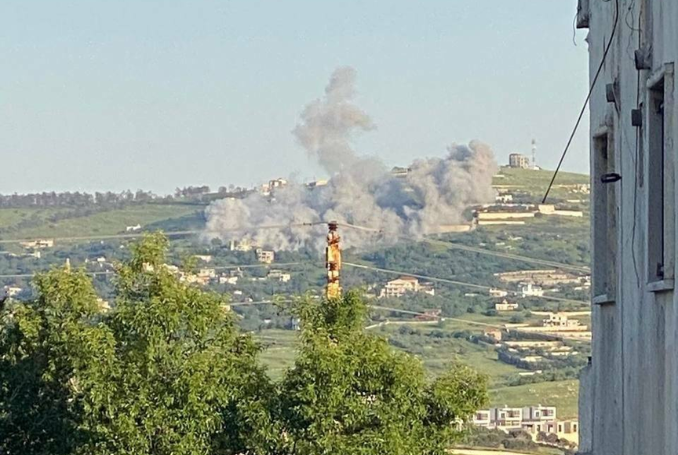
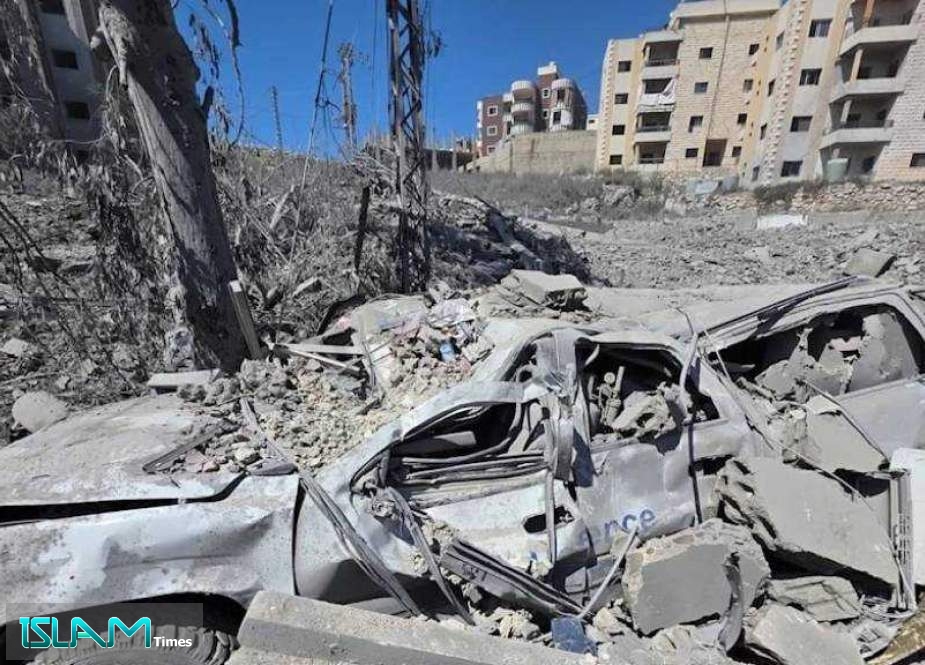
The past 24 to 48 hours have seen a marked increase in military actions and their devastating consequences. Israeli strikes have resulted in multiple casualties, further exacerbating the humanitarian crisis in southern Lebanon. In one reported incident, Israeli strikes tragically killed one man and injured his daughter in Nabatiyeh, according to local reports. Another strike, which occurred on the Burj Rahhal-Abbasiyeh road, resulted in the deaths of three people, adding to the growing toll of civilian lives lost. The grim aftermath of these attacks continued with the recovery of the body of a missing woman in Toura, following a particularly severe attack that had occurred on Friday. In total, at least 11 people were reported killed in Israeli attacks on Friday alone, noting the intensity of the military operations.
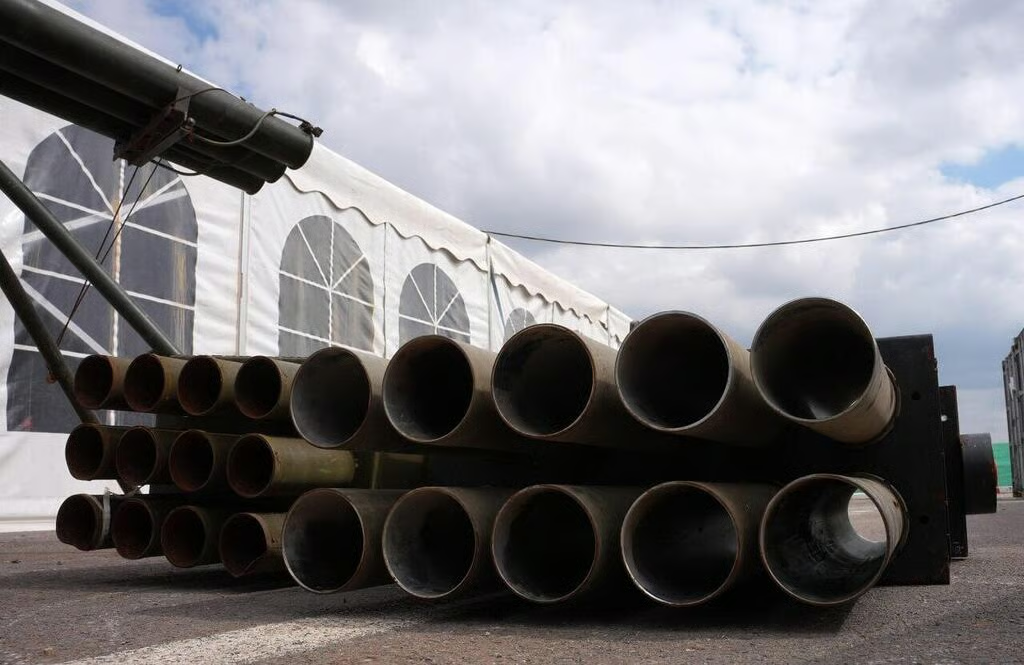
On Saturday morning, residents in a specific cluster of South Lebanese villages received urgent instructions from the Israeli military to distance themselves from their homes. The areas targeted for these evacuation orders included Tayr Debba, Abbasiyeh, Burj Rahhal, Maaroub, Barish, Arnoun, Jannata, Zrariyeh, and Ain Baal. The directive specifically called for residents to move at least one kilometre away from these locations, indicating an anticipation of further military activity. This measure follows a period of intense Israeli military operations, with the Israeli military stating it had struck more than 85 Hezbollah infrastructure sites 'from the air and on the ground' in the past 24 hours. These strikes reportedly targeted a wide array of Hezbollah assets, including command centers, rocket launchers, and other operational infrastructure, in an effort to degrade the group's capabilities.
Border Tensions and Widespread Displacement
In response to Israeli actions, Hezbollah stated it launched missiles and drones at military bases in northern Israel. The group indicated these actions were carried out in retaliation for a recent attack south of Beirut, which it attributed to Israel. Israel, in turn, confirmed the attack south of Beirut, stating it had successfully killed a top commander, implying a targeted operation. The cycle of retaliation has significantly intensified since fighting resumed between Israel and Hezbollah on 2 March, marking a new phase of heightened conflict.
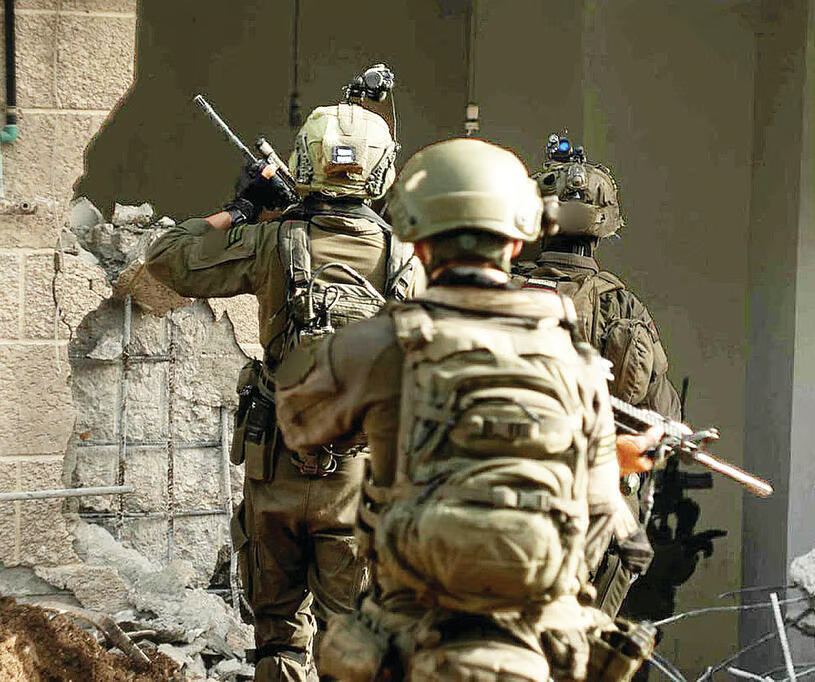
Since this resumption, Israeli forces have systematically occupied the entire border area with Lebanon, establishing what is effectively a buffer zone within Lebanese territory. This military occupation has had severe and broad humanitarian consequences for the local population. The establishment of this buffer zone and the ongoing hostilities have led to the widespread displacement of a significant portion of the population. Approximately one million people have been forcibly displaced from much of southern Lebanon, abandoning their homes and livelihoods due to the relentless conflict and the altered security landscape. This mass displacement represents a profound humanitarian crisis, placing immense strain on resources and aid organizations within Lebanon.
Diplomatic Efforts and Firm Stances
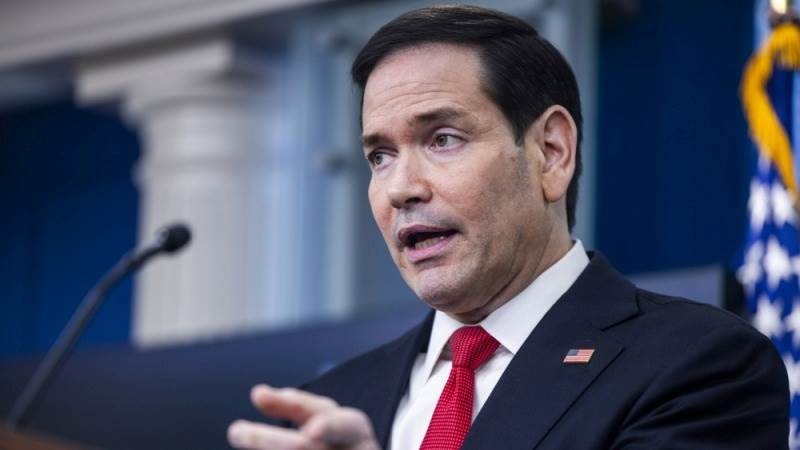
Amidst the escalating military actions, diplomatic efforts are underway to find a path towards de-escalation, albeit with significant hurdles. Lebanese and Israeli delegations are scheduled to meet at the US State Department on May 14 and 15 for preliminary discussions. These talks, facilitated by the United States, are intended to lay the groundwork for a potential reduction in hostilities and a more stable border environment.
However, both sides have articulated firm and seemingly intractable positions. Israel has issued a stern warning, stating it will maintain its presence in southern Lebanon and continue its attacks if Hezbollah is not fully stripped of its weapons. This demand for complete disarmament of Hezbollah is a long-standing Israeli security concern and a major point of contention. On the Lebanese side, Lebanese Prime Minister Nawaf Salam stated his government is pushing for the full implementation of the ceasefire that was in place before the recent escalation, ahead of the planned talks with Israel next week. This diplomatic push by Lebanon seeks to re-establish a baseline of calm and security before engaging in further negotiations. The divergent demands and the ongoing military activities show the immense challenges facing the US-led diplomatic initiative. The success of these preliminary discussions will hinge on the willingness of both parties to compromise and prioritize de-escalation over continued confrontation.