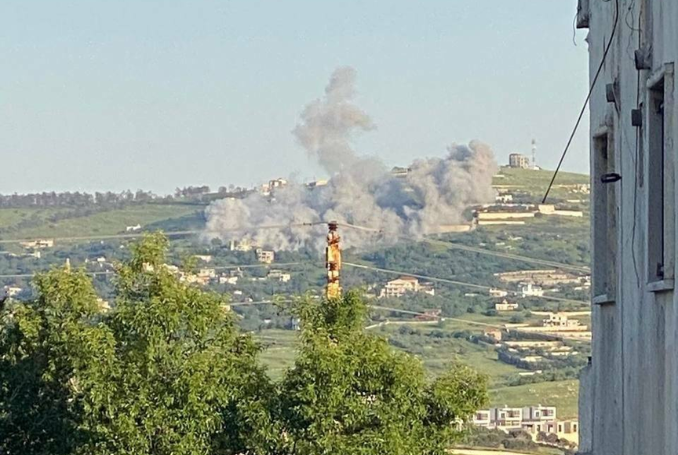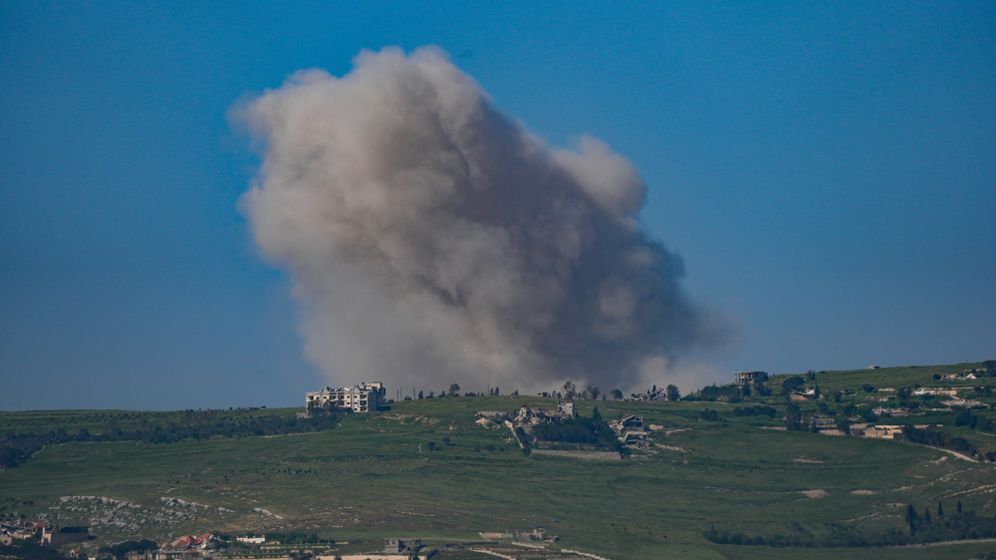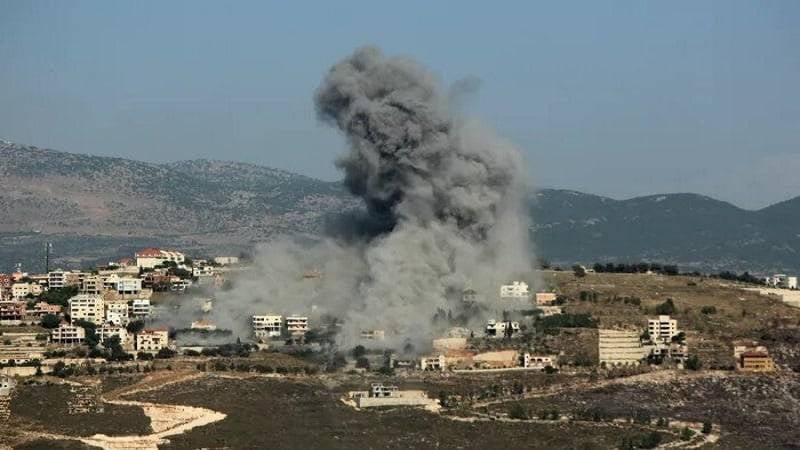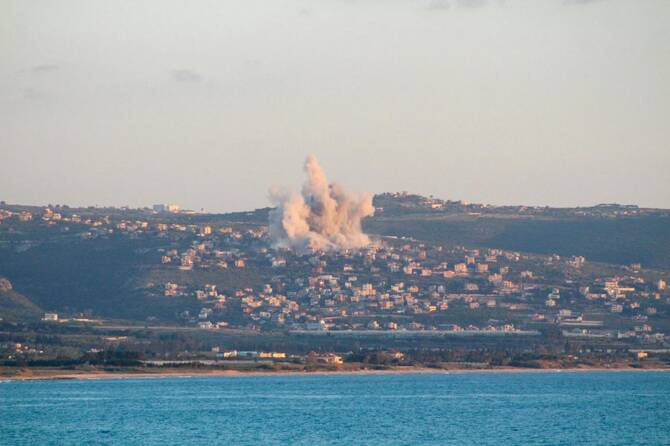
Israeli strikes in southern Lebanon on Saturday killed at least one person, amidst heightened regional tensions, further escalating a volatile situation in the region. The strikes, which targeted various locations, have drawn international concern and intensified calls for de-escalation. Hezbollah stated that it drew Lebanon into the broader Middle East conflict on March 2 with rocket fire aimed at Israel. This action, according to Hezbollah, was described as retaliation for the killing of Iran’s supreme leader Ayatollah Ali Khamenei in US-Israeli strikes. The group’s involvement has since been a significant factor in the ongoing cross-border hostilities. Hezbollah later claimed responsibility for targeting "a gathering of Israeli enemy army soldiers near Misgav Am" with a drone, an action it described as a direct response to "the Israeli enemy’s violation of the ceasefire." This claim shows the group's narrative that its actions are reactive to perceived Israeli breaches of existing agreements.
Southern Lebanon Under Fire
Lebanon's state-run National News Agency (NNA) reported that Israeli warplanes launched a strike on the town of Zrariyeh, located in southern Lebanon. This strike was part of a broader series of operations conducted by Israeli forces in the area. The agency also noted that other areas in the southern region were targeted in these strikes, indicating a widespread military campaign. The intensity of these operations has raised concerns among residents and humanitarian organizations alike. Meanwhile, casualties were reported following a strike on a car traveling on a road between two unspecified locations in southern Lebanon. The incident notes the dangers faced by civilians in the conflict zone, as movement across the region becomes increasingly perilous.
Israeli airstrikes and artillery shelling extended to other areas of southern Lebanon that were not part of any prior evacuation warnings. This expansion of targets suggests a widening scope of military operations beyond previously designated zones, potentially putting more civilians at risk. Israel’s military also stated it had conducted strikes on an underground Hezbollah weapons production site situated in east Lebanon’s Bekaa valley. This particular strike, deep within Lebanese territory, signifies Israel's intent to target Hezbollah's infrastructure beyond the immediate border areas. The military further stated that its forces operated "from the air and on the ground," indicating a coordinated effort involving both aerial bombardment and ground operations. It was additionally stated that these operations were aimed at stopping Hezbollah from "advancing terrorist activities against IDF soldiers operating in southern Lebanon," framing the actions as defensive measures against perceived threats.
In the past 24 hours alone, Israel’s military said it had struck more than 85 Hezbollah infrastructure sites. These strikes were carried out "from the air and on the ground," demonstrating the full nature of the Israeli military's response. The sheer number of targets indicates a significant and sustained effort to degrade Hezbollah's operational capabilities. Separately, Hezbollah claimed responsibility for targeting "a gathering of Israeli enemy army soldiers near Misgav Am" with a drone. The group described this action as a response to what it termed "the Israeli enemy’s violation of the ceasefire." This repeated claim of ceasefire violation by Israel serves as Hezbollah's justification for its retaliatory actions, contributing to the cycle of violence.
Strikes Near Beirut
Lebanese official media reported a new Israeli strike outside Beirut on Saturday, moments after reporting two strikes on the highway linking the capital to the country’s south. These strikes, closer to the capital, represent a notable geographical expansion of the conflict, moving beyond the immediate southern border zone. The National News Agency (NNA) specifically stated that the strike hit the Chouf district, located approximately 20 kilometers (12 miles) south of Beirut. This proximity to the capital raises the stakes significantly, as it could lead to a broader regional conflict. These reports followed earlier accounts of Israeli military actions in southern Lebanon, indicating a multi-front engagement or a series of escalating attacks across different regions.
The NNA's detailed reporting on the Chouf district strike shows the severity of the situation and the perceived threat to areas previously considered safer from direct conflict. The impact of such strikes near major population centers can have significant psychological and logistical effects on the Lebanese populace, disrupting daily life and increasing fear. The potential for these strikes to draw in additional actors or provoke a stronger response from Hezbollah and its allies remains a critical concern for regional stability.
Israel's army issued an evacuation warning to nine villages in southern Lebanon. These warnings preceded or coincided with further military operations in the region, suggesting an anticipation of heightened conflict in those specific areas. The issuance of such warnings is often a precursor to intensified military action, aiming to minimize civilian casualties while allowing for more aggressive operations. However, as noted by the NNA, some areas targeted were not part of any prior evacuation warnings, complicating the humanitarian situation and raising questions about the scope and intent of the Israeli military’s actions.
Hezbollah's Response and Ceasefire Context
A ceasefire agreement with Hezbollah has been in effect since April 17, yet the daily exchange of fire continues to challenge its efficacy. Despite this formal agreement, Hezbollah claimed it targeted northern Israel with a drone, stating the action was in response to repeated Israeli attacks on Lebanon. This claim notes the group's interpretation of the ceasefire, viewing Israeli actions as provocations that necessitate a response. In a separate incident, Hezbollah announced it "targeted a gathering of Israeli enemy army soldiers near Misgav Am" with another drone. The group specified this operation was carried out in response to "the Israeli enemy’s violation of the ceasefire," reiterating its justification for military engagement. The persistent trading of fire, mostly in southern Lebanon, despite the ceasefire agreement, shows the fragility of the truce and the deep-seated tensions that persist between the two adversaries.
Under the terms of the ceasefire, which were released by Washington, Israel maintains the right to act against "planned, imminent or ongoing attacks." This clause provides Israel with a legal and diplomatic basis for its military operations, allowing it to frame its actions as preemptive or defensive. This interpretation, however, often clashes with Hezbollah's view of what constitutes a "violation" of the ceasefire. Meanwhile, Israeli troops are operating inside an Israeli-announced "yellow line," which extends approximately 10 kilometers (six miles) deep into Lebanon along the border. These operations by Israeli forces occur within Lebanese territory, as defined by the "yellow line" demarcation. The presence of Israeli troops within Lebanese territory, even under the guise of this "yellow line," is a contentious issue and a frequent source of friction, further complicating efforts to maintain peace.
Escalation and Future Outlook
Israeli forces and Iran-backed Hezbollah have exchanged fire daily, primarily in southern Lebanon, despite a ceasefire agreement in effect since April 17. The continuous nature of these hostilities, even with a formal truce in place, indicates a deeply entrenched conflict dynamic. An Israeli strike on a motorbike in Nabatieh hit a Syrian national and his 12-year-old daughter, resulting in casualties and further noting the civilian toll of the conflict. This incident serves as a stark reminder of the human cost of the ongoing violence. Hezbollah, in response to these events and what it perceives as ongoing Israeli aggression, claimed it "targeted a gathering of Israeli enemy army soldiers near Misgav Am" with a drone. This action was again framed as a direct response to "the Israeli enemy’s violation of the ceasefire," reinforcing the narrative of retaliatory strikes.
Israel’s military stated it had struck more than 85 Hezbollah infrastructure sites "from the air and on the ground" in the past 24 hours. This high number of targets suggests a concerted effort to dismantle Hezbollah's military capabilities and infrastructure. The military further specified these operations were aimed at stopping Hezbollah from "advancing terrorist activities against IDF soldiers operating in southern Lebanon," asserting a defensive posture. The daily exchanges of fire, the expansion of Israeli strikes into deeper Lebanese territory, and Hezbollah's consistent retaliatory actions paint a picture of a conflict that remains far from resolved. The involvement of a formal ceasefire agreement, yet its apparent ineffectiveness in preventing daily skirmishes, suggests a complex and dangerous situation that could escalate further without a more strong and enforced resolution mechanism. The international community continues to monitor the situation closely, urging all parties to exercise restraint and adhere to existing agreements to prevent a wider regional conflagration.