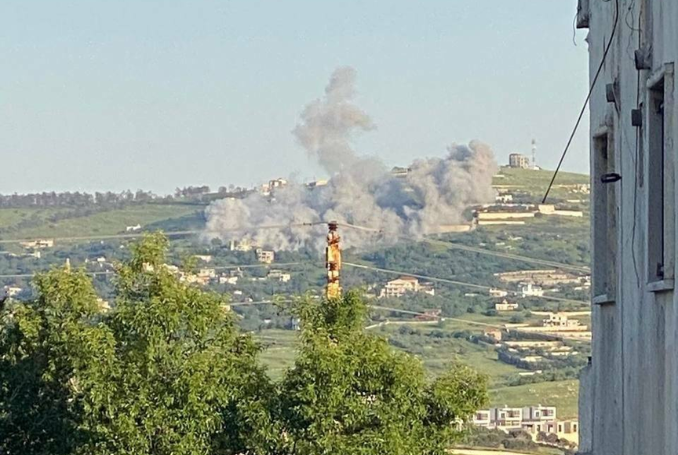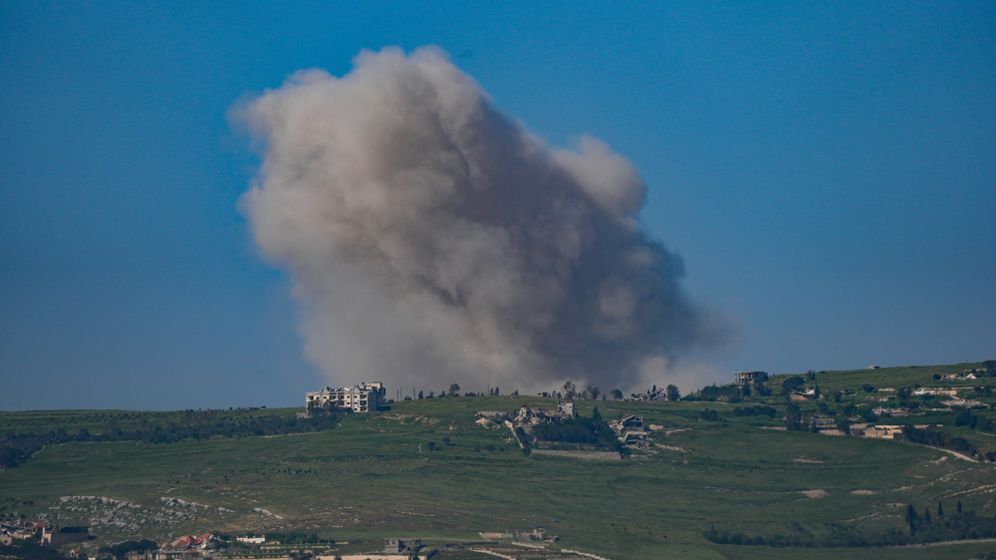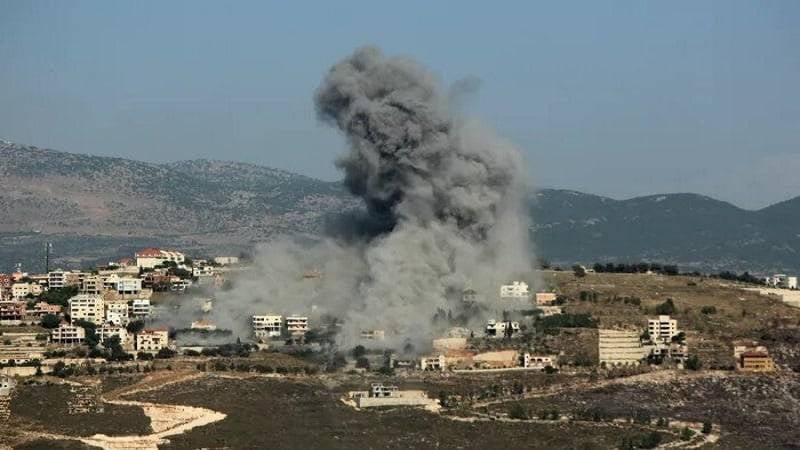
Israeli airstrikes killed at least five people in southern Lebanon on Friday, including four in Toura near Tyre and a paramedic near Kfar Chouba, prompting Hezbollah to fire rockets toward northern Israel. An ambulance rushed past the scene of an Israeli airstrike that hit a car in the coastal town of Saadiyat, south of Beirut, Lebanon, on Saturday, May 9, 2026. The Israeli military stated one rocket was shot down and others fell in open areas, causing no casualties. These events occurred despite a 10-day ceasefire that went into effect on April 17 and was later extended by three weeks, according to reports. The initial 10-day ceasefire had been declared in Washington, aiming to de-escalate tensions in the region. Its subsequent three-week extension showed ongoing diplomatic efforts to maintain a cessation of hostilities, even as violations continued to be reported by both sides.
Escalation and Retaliation
An Israeli airstrike targeted Beirut’s southern suburbs on Wednesday, marking a significant escalation of hostilities beyond the immediate border region. Hours prior to the strikes, the Israeli army’s Arabic-language spokesperson issued an evacuation warning to residents of six villages in Tyre province, including Toura, signaling potential military operations in those areas. The Israeli military announced on Thursday that it had killed Ahmed Balout, identified as a commander in Hezbollah’s elite Radwan Force, along with two other militants. This targeted killing was part of broader Israeli operations against the group. Israel claims to have killed more than 85 Hezbollah militants and struck 180 sites used by the group over the past week, indicating a sustained and intensive campaign against Hezbollah infrastructure and personnel. The recent strikes and retaliatory actions highlight a volatile security situation, with both parties demonstrating a readiness to engage in military action despite the declared ceasefire.
Broader Conflict Context
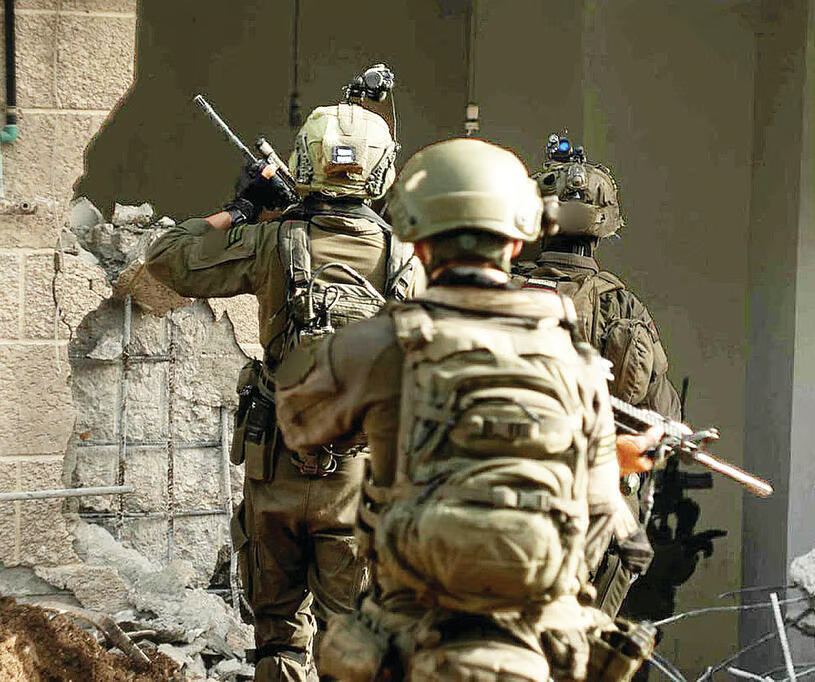
The latest war between Israel and Hezbollah began on March 2, marking a new phase in the long-standing conflict between the two adversaries. This conflict escalated further with the United States and Israel launching a war on Iran on March 4, broadening the scope of regional instability. Since the onset of hostilities, Israel has carried out hundreds of airstrikes and initiated a ground invasion of southern Lebanon, according to reports. These extensive military operations have significantly impacted the humanitarian situation and infrastructure in southern Lebanon. Historically, Israel and Lebanon have formally been in a state of war since the founding of the state of Israel in 1948, a foundational element of the persistent tensions between the two nations. The current escalation adds another chapter to this enduring state of conflict, with regional and international implications.
Calls for De-escalation
Lebanese President Joseph Aoun urged a visiting delegation from the European Union to pressure Israel into honoring the ceasefire agreement. Aoun's statement noted the need for European countries to ensure Israel's commitment to the cessation of hostilities, emphasizing the international community's role in upholding peace. He showed the importance of international pressure to prevent further escalation and protect civilian lives. In a separate development indicating diplomatic efforts, Lebanon and Israel engaged in their first direct talks in more than three decades. These discussions represent a significant, albeit preliminary, step toward addressing long-standing issues between the two nations and potentially paving the way for future dialogues to resolve their protracted conflict. The initiation of direct talks, despite the ongoing hostilities, suggests a recognition by both sides of the need for diplomatic channels to manage and potentially mitigate the conflict.