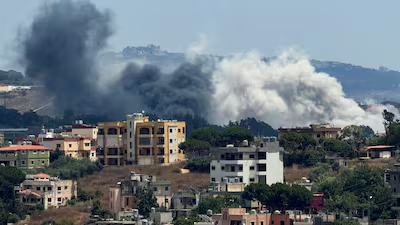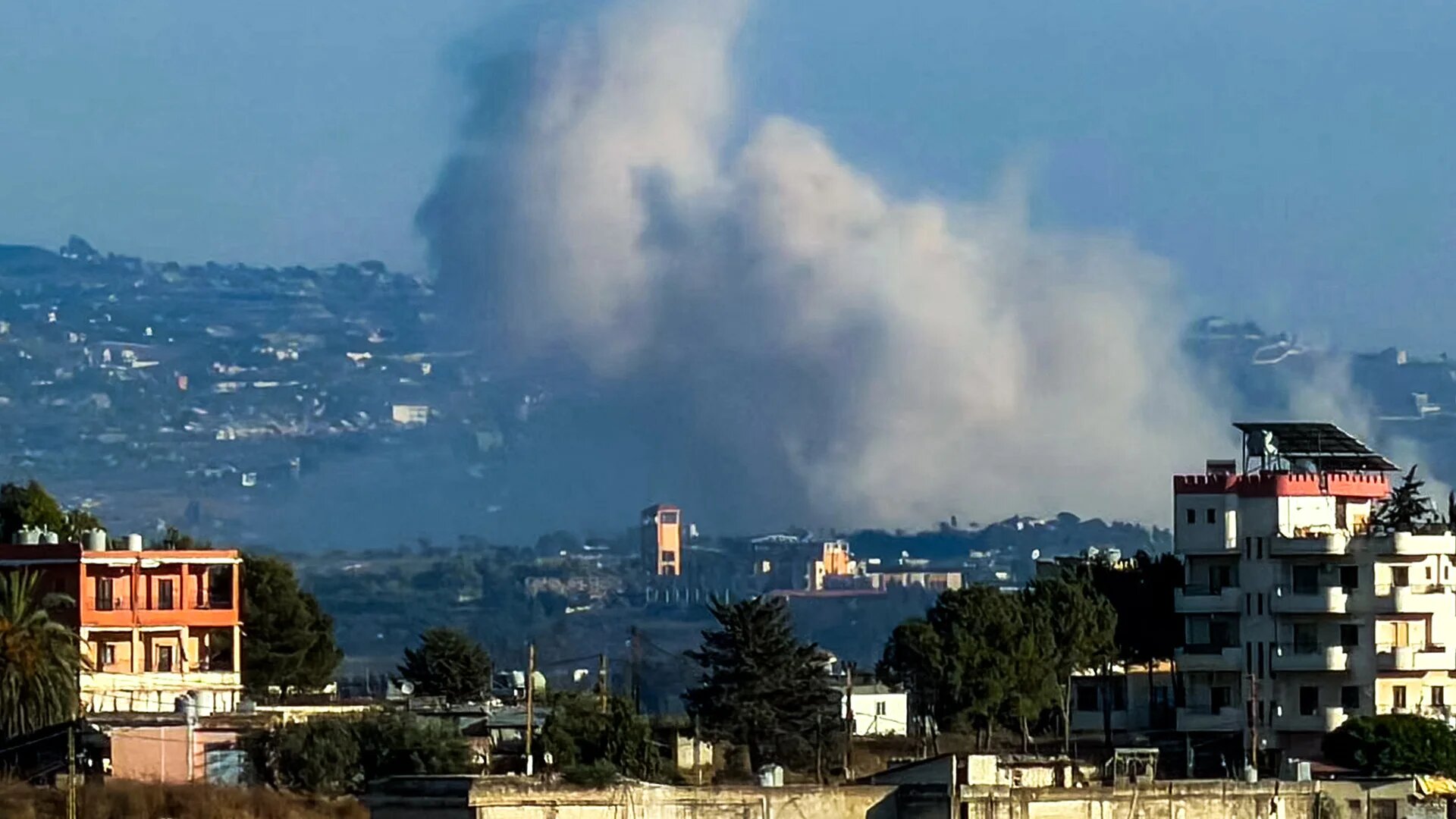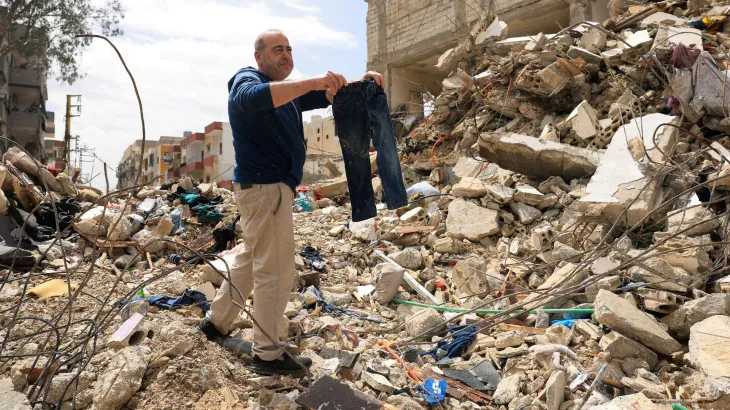
Germany has reiterated its call for the European Union to deploy a force to Lebanon, proposing the mission to replace the United Nations Interim Force in Lebanon (UNIFIL) before its mandate expires at the end of the year. Foreign Minister Johann Wadephul told broadcaster RedaktionsNetzwerk Deutschland on Friday that Berlin's proposal aims to prevent a "security vacuum" in Lebanon's south. The potential EU force would allow Israel’s army to withdraw from southern Lebanon and is also intended to prevent Hezbollah from "returning with its terror." Wadephul stated, "We should examine in the EU whether we can ensure that no security vacuum arises with a European mandate following the UNIFIL mission." Germany has repeatedly stressed the urgency of this initiative, noting the critical need for a stable security presence in the region once UNIFIL concludes its operations. The mission's mandate is specifically due to expire at the end of the year, creating a pressing deadline for international action.
UNIFIL's Evolving Role and Mandate
The United Nations Interim Force in Lebanon (UNIFIL) was initially deployed in 1978 during the first Israeli invasion of Lebanon. The UN Security Council agreed last year to conclude UNIFIL’s 48-year mission, marking the end of nearly five decades of peacekeeping efforts in the volatile border region. This decision comes as Israel’s military advanced further into Lebanese territory in May than at any point since its nearly two-decade occupation of the country’s south ended in 2000. UNIFIL's establishment in 1978 was a direct response to the escalating conflict, mandated to confirm the withdrawal of Israeli forces, restore international peace and security, and assist the Government of Lebanon in re-establishing its effective authority in the area. Over its long tenure, UNIFIL has played a key role in maintaining a fragile calm, monitoring the Blue Line, and preventing escalation between parties. The impending conclusion of this long-standing mission necessitates a strong alternative to ensure stability.
Proposed EU Mission Details
Any potential European Union mission would likely involve providing support and training to help Lebanon's military assume greater responsibility, a model that would differ significantly from UNIFIL’s traditional peacekeeping operations. The Israeli military currently occupies several areas in southern Lebanon. Discussions surrounding a new arrangement have focused on establishing "pilot zones" in the region. These zones would serve as initial areas from which Israeli forces would begin withdrawing. This withdrawal would be contingent upon the disarmament of Hezbollah, an essential condition for long-term stability and security in the border areas. The proposed EU mission aims to create conditions for a phased Israeli departure while empowering Lebanese national forces to secure the border areas. This approach represents a shift from the mandate of the outgoing UNIFIL mission, which primarily focused on maintaining a buffer zone and monitoring the ceasefire line. The EU's involvement could therefore entail a more active role in capacity building for the Lebanese Armed Forces to prevent a security vacuum in the south. The emphasis on training and support for Lebanon's military notes a strategy of fostering local capacity rather than relying solely on external peacekeeping forces. This model seeks to enable Lebanon to eventually assume full control over its southern territories, ensuring its sovereignty and security.
Lebanon's Support and Regional Talks
Lebanon has indicated its support for a potential European Union-led mission. This development aligns with ongoing diplomatic efforts in the region, reflecting a shared desire for a stable and secure border. Lebanon and Israel recently concluded a sixth round of US-brokered talks in Rome on Wednesday. These discussions represent continued attempts to address regional issues, particularly the contentious border disputes and security concerns. The talks specifically focused on establishing the aforementioned "pilot zones" in southern Lebanon, which are intended to facilitate the withdrawal of Israeli forces. A key component of these discussions is the reciprocal demand for the disarmament of Hezbollah, which is seen by Israel as a prerequisite for its full withdrawal. Lebanon’s endorsement of a potential EU mission shows the country's commitment to finding a viable solution for the post-UNIFIL era. The diplomatic momentum generated by these talks, combined with Lebanon's stated support, suggests a potential pathway forward for a new international presence to help stabilize the region. The engagement of the United States as a mediator further emphasizes the international community’s recognition of the critical need for a negotiated settlement and a secure transition following UNIFIL's departure.