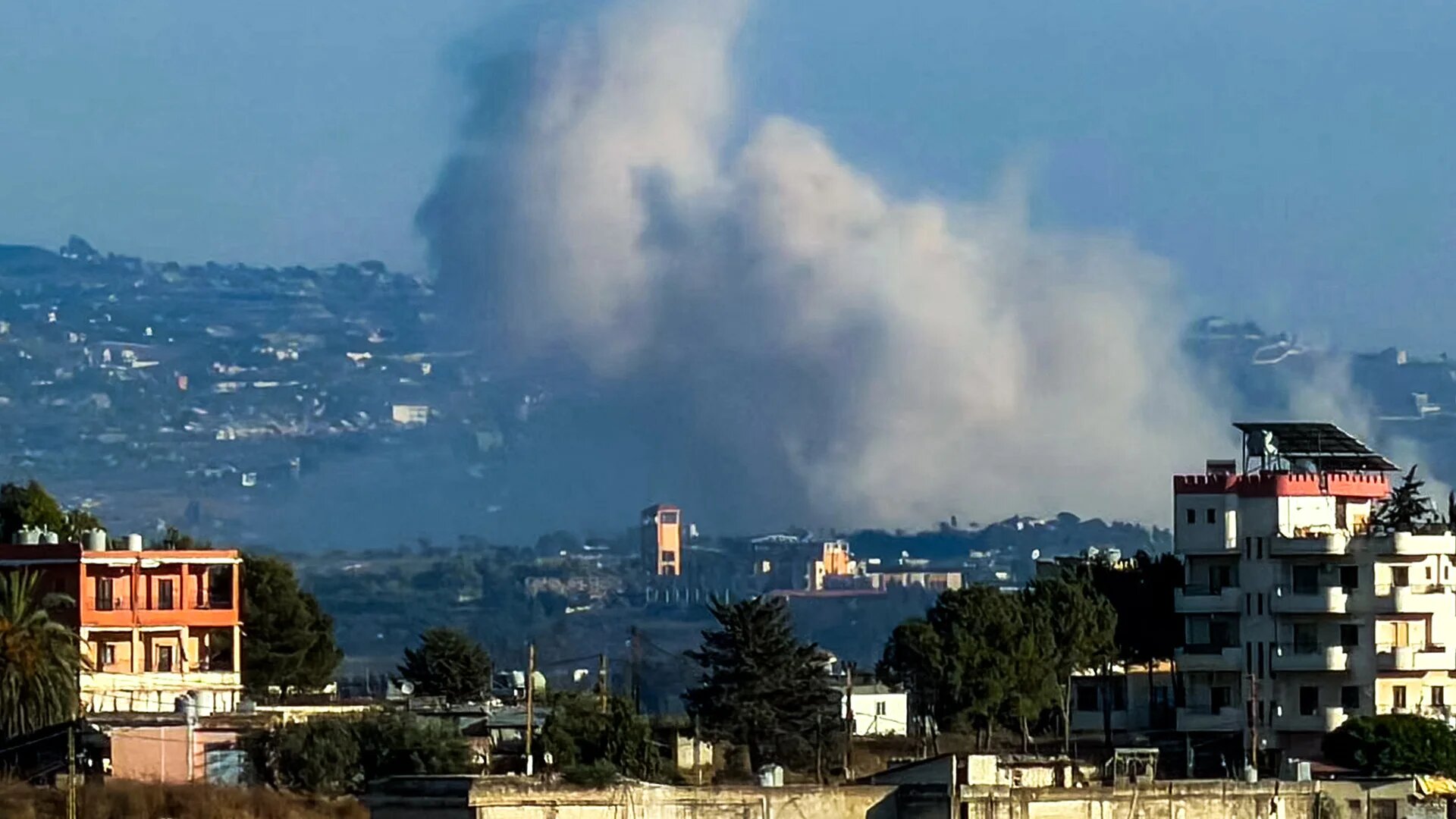
Amnesty International investigated three Israeli attacks in southern Lebanon between March 6 and March 13, 2026, which the organization stated could constitute war crimes. The human rights group concluded that the Israeli military failed to take necessary precautions to protect civilians during these incidents. Amnesty International also reported that the military failed to distinguish between military targets and civilian objects, raising concerns about international humanitarian law violations. The organization's findings show serious allegations of breaches of international law during the ongoing conflict.
A Family's Tragedy in Tyre
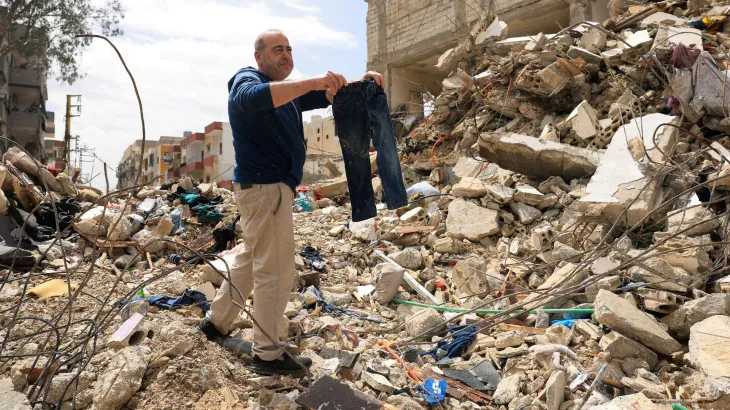
Hussein Saleh's family was among those impacted by Israeli military actions, losing his wife and five-year-old daughter, Sara, in an airstrike in Tyre on March 6, 2026. This devastating incident, which occurred in the al-Thakana neighborhood of Tyre, resulted in significant civilian casualties. Nine people were killed in the attack on his home, including three children and a pregnant woman. The loss of life in this single strike notes the severe human cost of military operations in civilian areas. Amnesty International concluded that this incident, alongside two others, should be investigated as potential war crimes, given the evidence gathered from the scene and witness testimonies. Saleh's family had been unable to evacuate immediately because six members suffered from medical conditions or illnesses, making their immediate displacement challenging and dangerous. This inability to flee compounded the tragedy, as they were caught in the strike zone.
Recalling the immediate aftermath, Saleh stated, "I wasn’t far away when I heard the explosions. I rushed back … there was smoke everywhere, but I couldn’t find anyone. I couldn’t find my daughter … I was screaming out for my wife, my father-in-law, his wife." The chaos and despair of the moment were palpable as he searched for his loved ones amid the destruction. He questioned the justification for the attack, saying, "What was their crime? I want to know. Why did the Israeli enemy have to kill them? What did they do to deserve this? They destroyed my whole life." Saleh's poignant questions reflect the deep anguish and demand for accountability from those affected by such incidents. Saleh also asserted that the Israeli military is capable of precise targeting but chose to strike civilians. "The enemy is able to carry out precision strikes … yet it chooses to kill women and children. Israel should be tried in court for its crimes," he added, emphasizing his belief that the attack was not a mistake but a deliberate act.
Amnesty's Findings and Claims
Amnesty International’s investigation into three Israeli attacks in southern Lebanon determined that these incidents cumulatively killed 24 civilians. The human rights organization stated that the Israeli military failed to take necessary precautions to protect civilian lives and objects, a core tenet of international humanitarian law. This failure, according to Amnesty International, contributed directly to the high number of civilian casualties. The organization's detailed examination sought to ascertain whether the attacks adhered to principles of distinction, proportionality, and precaution.
The three strikes examined by Amnesty International occurred in distinct locations across southern Lebanon. One attack took place in al-Thakana, a neighborhood within the city of Tyre, where Hussein Saleh's family home was hit. Another incident occurred in Arki village, located in the Sidon district, a rural area that should ideally be protected from direct military engagement. A third strike was documented in the al-Rahbat neighborhood, situated in the Nabatieh district, further illustrating the widespread nature of these alleged violations across southern Lebanon. These locations were central to the organization's assessment of potential violations of international humanitarian law, as each site provided critical evidence for their investigation.
Amnesty International concluded its investigation by stating that it found no evidence of any military objectives present at the time of the attacks in these specific locations. This finding is central to their assessment that the strikes may constitute war crimes, as the absence of military targets would indicate a failure to distinguish between civilian and military objects, a fundamental principle of international humanitarian law. The organization noted the importance of adherence to these principles to prevent civilian casualties and ensure accountability for actions during armed conflict, reinforcing the need for thorough and impartial investigations into all such incidents. The lack of discernible military targets strengthens the argument that these were indiscriminate attacks.
Broader Context and Impunity
The cumulative fatalities from the incidents investigated by Amnesty International included 12 children, whose ages ranged from five to 16, along with six women. These figures show the devastating impact on vulnerable populations, with children and women disproportionately affected by the violence. Paramedic Moussa Chaalan described the scene at one impact site, reporting that body parts were scattered as far as 200 metres (650 feet) away, indicating the immense force and destructive power of the munitions used. These attacks occurred amidst broader military activity in the region, adding to an already volatile and dangerous environment for civilians.
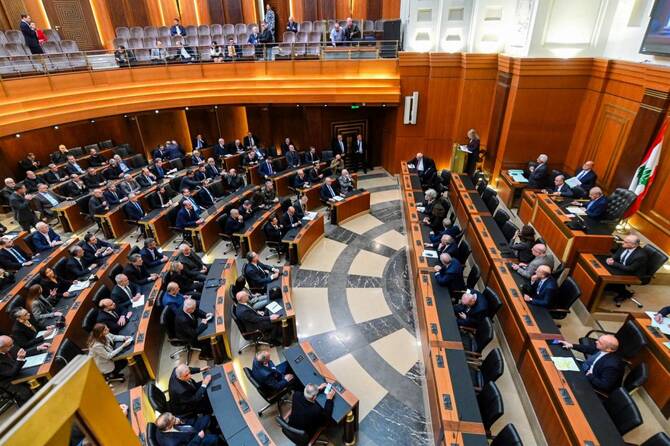
The Israeli military had issued mass forced displacement orders for residents of southern Lebanon on March 5, 2026, which included the city of Tyre. These orders preceded some of the incidents under investigation, raising questions about the safety of those who were unable to comply or chose to remain. Such displacement orders often create immense humanitarian challenges and can complicate the protection of civilians. According to the Lebanese government, Israeli military actions in Lebanon have resulted in at least 4,250 deaths since October 2023. This figure includes more than 250 children among the casualties, painting a grim picture of the ongoing conflict's toll on civilian lives and noting the urgent need for adherence to international humanitarian law.