Israel has established a new zone along its northern border with Lebanon, marking a re-occupation of territory from which it withdrew in 2000. This strategic move, which has drawn comparisons to previous Israeli military engagements in the region, signifies a significant shift in Israel's security posture. The creation of this new zone occurred in late March amidst intense fighting between Israeli forces and Hezbollah, coinciding with a broader conflict that involved Iran. Israel's previous presence in southern Lebanon ended with its withdrawal from a "security strip" two decades ago, a period that many veterans now recall with apprehension given the current developments. The re-establishment of a physical presence beyond its internationally recognized border has ignited concerns among those who remember the complexities and costs of past occupations.
Echoes of Past Conflicts
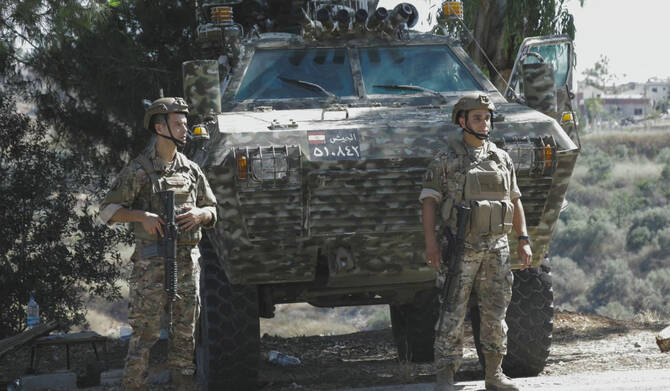
Israeli troops have established a presence across a swath of southern Lebanon, extending approximately 10 kilometers (six miles) deep into the territory. This re-occupation follows significant clashes in the region, which have intensified in recent months. The depth of this new zone shows the scale of the current military operation. Since March, Israel has reported the loss of dozens of its soldiers in the ongoing conflict, noting the fierce resistance encountered and the human cost of these renewed hostilities. The fighting has been characterized by sustained cross-border exchanges, impacting communities on both sides of the frontier.
The current military actions are unfolding concurrently with diplomatic efforts, indicating a dual approach to the escalating tensions. Talks are reportedly aimed at achieving the disarmament of Hezbollah, a powerful Lebanese political party and militant group, and ultimately reaching a peace accord between the involved parties. These diplomatic endeavors seek to provide a long-term resolution to the deep-seated animosities and security challenges that have plagued the border region for decades. The international community is closely monitoring these developments, emphasizing the need for de-escalation and a sustainable peace.
Official Justifications and Goals
The new zone's stated aim is to protect Israel's border towns from Hezbollah. Israeli officials assert that this forward deployment is a necessary measure to prevent future attacks and ensure the safety of their citizens. Prime Minister Benjamin Netanyahu visited troops on June 30, describing the buffer zone as a "big achievement." During his visit, Netanyahu articulated the strategic rationale behind the new security measures. Netanyahu stated, "These security zones are a paradigm shift. It means we no longer allow an an army of terrorists to have a foothold on our border. And we destroy, above ground and underground, anything that served as a means of attacking us." This declaration shows Israel's determination to proactively neutralize perceived threats. Concurrently, Israel and Lebanon are holding U.S.-backed talks in Rome this week, with international mediators attempting to bridge the divide between the two nations and find a path toward stability. The outcome of these negotiations is key for determining the future of the border region and potentially averting a wider conflict.
Veterans' Grave Concerns
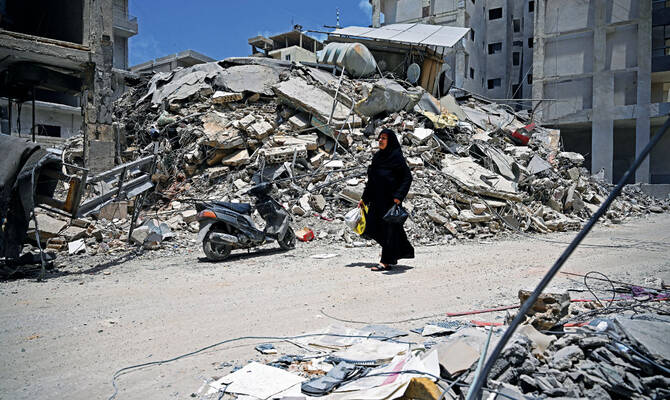
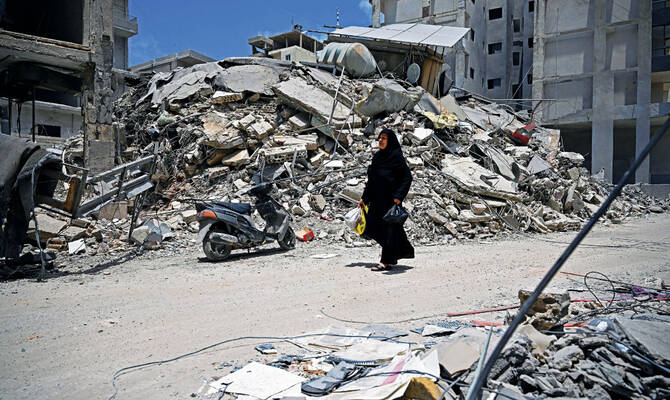
The newly established zone along the Lebanese border mirrors similar security belts Israel created in Gaza and Syria. This strategic shift reflects Israel's broader military posture following the Hamas-led attack on southern Israel on October 7, 2023. The events of October 7 prompted a re-evaluation of Israel's security doctrines, leading to more assertive measures along its borders. The border zone in Lebanon emerged amidst a period of intense cross-border hostilities, which significantly escalated tensions. Hezbollah launched missiles at Israel, targeting civilian areas and military installations, further exacerbating the volatile situation. In response to these missile attacks, Israel initiated an offensive that resulted in the displacement of approximately one million people within Lebanon, creating a humanitarian crisis of significant proportions. The Israeli offensive also led to the deaths of thousands in Lebanon, a toll that includes hundreds of civilians, noting the devastating impact of the conflict on the civilian population. Veterans from previous conflicts in Lebanon have voiced grave concerns, drawing parallels between the current situation and past military entanglements that proved costly and prolonged. They warn that such re-occupations risk repeating historical mistakes, potentially leading to protracted conflicts and further regional instability. These experienced voices emphasize the need for caution and strategic foresight to avoid a deepening quagmire.