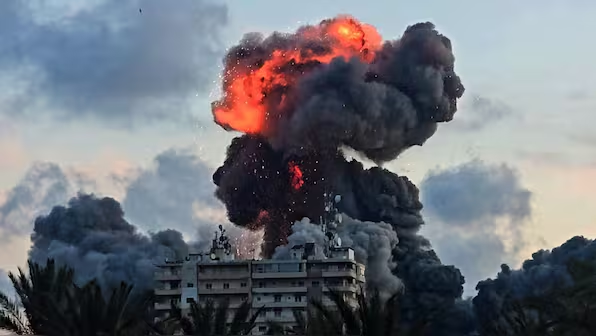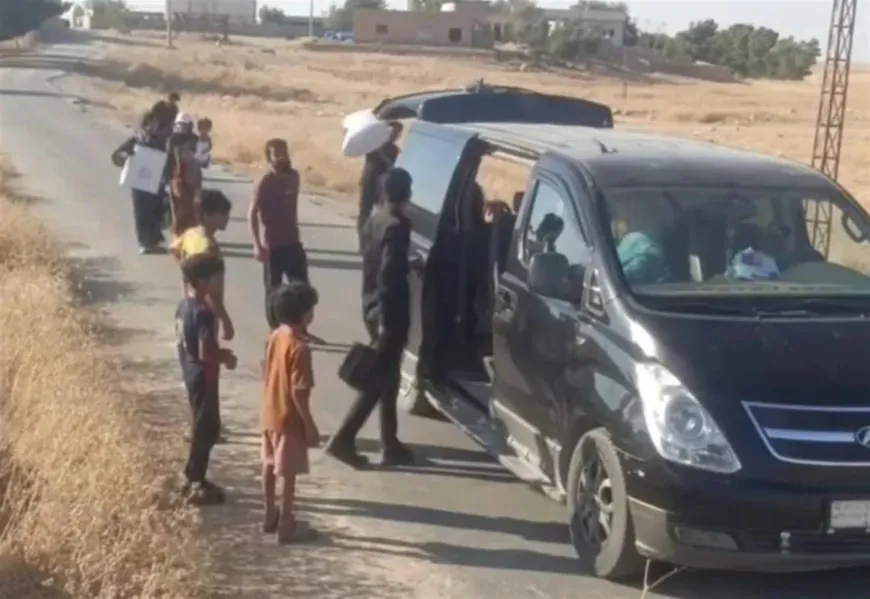
Israel and Lebanon signed a framework agreement in Washington on June 26, effectively halting hostilities between Israel and Hezbollah. The agreement aims to establish a new foundation for regional stability after a period of conflict. The cessation of hostilities comes as Lebanese authorities report a significant humanitarian impact. They estimate that approximately 1.2 million people were displaced during the conflict. This displacement represents a substantial challenge for Lebanon's recovery efforts, demanding extensive resources and coordinated action to facilitate safe and sustainable returns. The sheer scale of the displaced population shows the profound human cost of the recent conflict and the urgent need for full humanitarian assistance.
Immediate Returns and Lingering Displacement
Following the signing of the framework agreement, Lebanon witnessed immediate movements of its population. Haneen Sayed, Lebanon’s social affairs minister, reported that approximately 400,000 people returned to southern Lebanon within 24 hours of the framework agreement's signing. This rapid influx of returnees notes the strong desire of individuals to return to their homes and communities as soon as security conditions permit. The minister's statement provided an early indication of the immediate impact of the peace framework on population movements.
A more limited return had commenced nine days prior in Beirut’s southern suburbs and several villages in the south, coinciding with the announcement of the Iran-US agreement in Islamabad. This earlier movement suggested a growing confidence in a de-escalation of hostilities even before the formal agreement was signed. Despite the initial returns, around half a million people remain displaced across Lebanon. This significant number indicates that while many have gone back, a large segment of the population still faces obstacles to returning home, including destroyed infrastructure, lack of essential services, or lingering security concerns.
The International Organization for Migration (IOM) provided a higher figure for those who have returned, stating that 646,107 individuals had gone back to their homes, according to its most recent assessment. This assessment, based on ongoing monitoring, notes the scale of both immediate reintegration and the ongoing challenge of displacement. The discrepancy between the figures from Lebanese authorities and the IOM may reflect different methodologies or reporting periods, but both show the massive population movements. For those who have returned, challenges often include finding their homes damaged or destroyed, and the absence of basic services like water, electricity, and healthcare. For the half a million still displaced, the future remains uncertain, often relying on temporary shelters, host communities, or humanitarian aid to meet their daily needs. The long-term reintegration of these individuals will require sustained support and investment in rebuilding communities.
Devastation and Reconstruction Costs
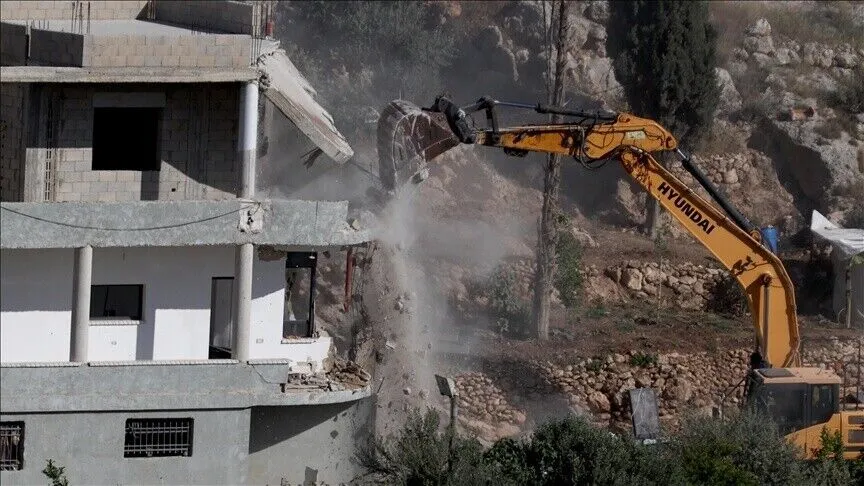
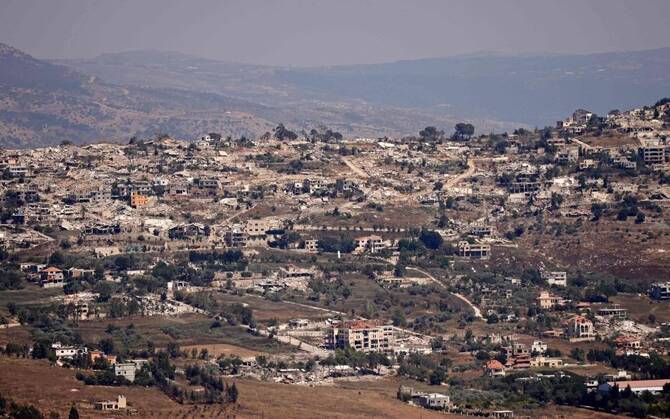
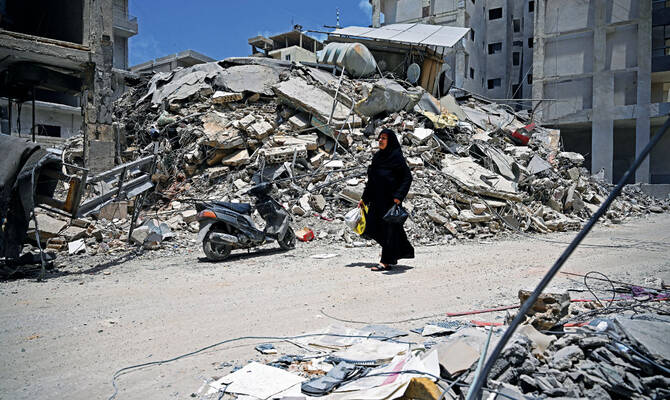
The conflict has left a trail of extensive physical damage, particularly in the southern regions of Lebanon. Assessments conducted by Lebanon’s National Council for Scientific Research and the UN Development Programme estimate direct damage to buildings south of the Litani River alone at $1.38 billion as of April 29. This figure represents the cost of repairing or rebuilding structures in one of the most heavily impacted areas. This concentrated destruction in a vital agricultural and residential zone will significantly impede economic recovery and the return of displaced populations. The damage extends beyond private residences to include public infrastructure, commercial properties, and agricultural land, further complicating the recovery process.
The wider economic impact of the recent conflict has been substantial, far exceeding the direct damage to buildings. According to the World Bank’s Rapid Damage and Needs Assessment for Lebanon, the 2024 war resulted in an estimated $6.8 billion in physical damage across various sectors. This full assessment considers damage to infrastructure, housing, productive sectors, and cultural heritage. This assessment further indicates that the country's reconstruction and recovery needs are projected to be around $11 billion. This higher figure accounts not only for rebuilding what was destroyed but also for investing in resilient infrastructure, restoring livelihoods, and supporting social services to enable a sustainable recovery. The scale of the financial requirements shows the significant challenges ahead for Lebanon, requiring substantial international assistance and strong governance.
Lebanese Minister of Finance Yassine Jaber provided a higher estimate for the conflict’s overall impact. Mr. Jaber estimated the war’s total damage at $20 billion, noting the extensive destruction and economic disruption experienced across the country. This figure likely encompasses not only physical damage but also broader economic losses, such as lost revenue from tourism and trade, disruption to supply chains, and the long-term impact on human capital and development. These figures represent a critical hurdle for Lebanon as it seeks to rebuild infrastructure, housing, and revive its economy following the period of hostilities. The disparities in cost estimates reflect the ongoing evaluation of damages and the full nature of recovery efforts required across various sectors, from housing and healthcare to education and agriculture. Reaching a consensus on the total cost is essential for effective fundraising and resource allocation.
Obstacles to Full Recovery
The framework agreement signed in Washington on June 26 had raised hopes of a durable peace between Israel and Lebanon, but several challenges remain. Among these are the extensive destruction in the border regions and ongoing security concerns. The physical landscape of many communities has been irrevocably altered. There are 21 towns that have been completely destroyed in the border region, and dozens of villages have sustained significant damage. This level of devastation presents a substantial obstacle to the return of displaced populations and the rebuilding of communities. The complete destruction of towns means that entire populations must be rehoused and essential services re-established from scratch, a monumental task requiring immense resources and coordination. Even in damaged villages, the partial destruction of homes and infrastructure makes returns difficult and often unsafe.
Despite the peace framework, which calls for Israel to withdraw from designated pilot zones, security incidents continue, demonstrating the fragility of the peace. Hezbollah launched rockets into Israel on March 2, a move it stated was in retaliation for the US-Israeli attack on Iran. This action constituted a violation of the ceasefire agreement reached between Israel and Hezbollah in November 2024, noting the fragility of the peace. Such incidents demonstrate the complex security landscape and the potential for renewed conflict, which could undermine recovery efforts, deter investment, and prevent the safe return of displaced persons. The continued presence of armed groups and the potential for renewed hostilities create an environment of uncertainty that is detrimental to long-term stability and reconstruction.
Financial constraints also pose a significant challenge to Lebanon's recovery. The 2026 Lebanon Flash Appeal, which has been extended until August, aims to raise $639.9 million. This appeal is key for providing immediate humanitarian assistance, supporting early recovery initiatives, and addressing the most urgent needs of affected populations. However, only 37.1 percent of this target has so far been secured. This funding gap impacts the ability of humanitarian organizations to provide essential services and support long-term reconstruction projects. The shortfall in international aid further complicates efforts to address the needs of displaced persons and rebuild critical infrastructure in the affected areas. Without adequate funding, the pace of recovery will be slow, prolonging the suffering of affected communities and potentially exacerbating existing vulnerabilities. The international community's commitment to financially support Lebanon's recovery will be a critical factor in determining the speed and success of its rebuilding efforts.