Lebanese negotiators and their Israeli counterparts are scheduled to meet in Rome on Tuesday for a sixth round of direct, US-brokered talks. The session, which will span two days, aims to build on a framework agreement signed by both countries in Washington, D.C. On June 26. Under the terms of that agreement, implementation will commence in a first pilot zone located in southern Lebanon. The discussions will center on practical steps required to establish this initial pilot zone and ensure its successful operation. Israeli forces are expected to gradually withdraw from these designated pilot zones, with the Lebanese Army subsequently assuming control of the areas. This round of negotiations marks a critical juncture in the ongoing efforts to stabilize the southern Lebanese border region.
Negotiations and Framework Agreement
The mechanism for the ongoing talks is US-monitored and is coordinated with the army command in Beirut, according to sources close to the negotiations. The US State Department intends to monitor the discussions in detail, reflecting Washington's deep involvement in the process and its commitment to the framework agreement. The Lebanese delegation has indicated it is not bringing any new conditions to Rome for this round of talks, signaling a focus on the established agenda and existing agreements. This approach aims to streamline the discussions and concentrate on the practicalities of implementation.
An official source close to the negotiations stated that "the priority is to shore up the ceasefire." This sentiment shows the immediate objective of the talks: to ensure stability and prevent further escalation in the border region. Questions surrounding the launch of the designated pilot zones will be addressed in Beirut, indicating a division of responsibilities for different aspects of the agreement's implementation and follow-up. While the Rome talks focus on the overarching practical steps, specific operational details and localized concerns regarding the pilot zones will be handled through coordination efforts in Beirut. The Lebanese delegation's focus will center on securing an Israeli military withdrawal from the areas, the subsequent redeployment of the Lebanese Army across the south, and initiating reconstruction efforts in those regions. These three pillars form the core of Lebanon's objectives in the current negotiation phase, aiming to restore Lebanese sovereignty and facilitate recovery in affected areas.
The framework agreement, signed in Washington, D.C. Called for the swift establishment of "pilot zones" in southern Lebanon. These negotiations in Rome are taking place ahead of a previously scheduled meeting on July 21 in Washington between President Donald Trump and Lebanese President Joseph Aoun. This upcoming high-level meeting notes the strategic importance of the current discussions in Rome, as progress made here could set the stage for further advancements at the presidential level. Notably, no Lebanese military delegation is participating in the Italian round of discussions, with the delegation comprising diplomatic and political representatives tasked with the strategic aspects of the agreement. The absence of a military delegation in Rome suggests that the current focus is on policy and logistical frameworks rather than immediate tactical planning, which is being handled separately through military-to-military coordination channels.
Pilot Zones and Implementation Details
In the designated pilot zones, the Lebanese Armed Forces are expected to assume full responsibility, with non-state groups explicitly forbidden from entering these areas. This provision is key for ensuring the stability and neutrality of the zones, preventing them from becoming flashpoints for conflict. The specific locations chosen for these initial zones include Zawtar Sharqieh and Zawtar El-Gharbiye, along with Yohmor and Beaufort Castle. These areas are strategically significant, as they overlook the Litani River and provide views of towns in northern Israel, making their control and demilitarization vital for regional security. The selection of these particular locations shows their importance in establishing a secure and stable buffer zone.
In Beirut, a military source confirmed that the army command has been conducting coordination meetings with a US military delegation, indicating ongoing tactical discussions related to implementation. This direct military-to-military engagement in Beirut complements the diplomatic talks happening in Rome, ensuring that both strategic and operational aspects of the agreement are being addressed concurrently. The military source further stated that "The Americans, the source told Arab News, 'largely understand the Lebanese position' and are pressing Israel to honor its commitments driven by Washington’s own stake in seeing the framework agreement implemented." This suggests Washington's active role in ensuring the agreement's progress, not just as a mediator but also as a guarantor of commitments. The discussions aim to iron out the practical details for the phased withdrawal of Israeli forces and the subsequent deployment of the Lebanese Army. These detailed discussions are essential for a smooth transition and to prevent any misunderstandings or operational hitches on the ground. The involvement of the US military delegation in these coordination meetings shows the American commitment to the framework agreement and its implementation phases, noting the multifaceted nature of the US engagement. This full approach, involving both diplomatic and military channels, is deemed necessary to navigate the complexities of the situation and ensure the agreement's success.
Domestic Criticism and Concerns
Representing Lebanon in Rome will be Nada Moawad, the country’s ambassador to Washington; former ambassador Simon Karam; and Brig. Gen. Ziad Haykal. These officials are tasked with addressing the practical details of the framework agreement despite significant domestic concerns within Lebanon. Their role involves navigating the complexities of the negotiations while being mindful of the political sensitivities at home.
The "pilot zones" clause within the initial framework has drawn significant criticism domestically, particularly because it does not specify the mechanisms for implementation, coordination, or geographical boundaries. This lack of detailed specification has fueled apprehension among various Lebanese factions, who fear potential ambiguities in the agreement. Opponents have also noted that the clause fails to address the issue of the Israeli withdrawal or its timetable, which are key aspects for Lebanon to regain full sovereignty over its southern territories. Critics assert that it "turns the Lebanese Army into a recipient of orders from the Israeli and US sides on how to move and deploy," raising concerns about the army's autonomy and its role in national defense. This perspective notes a fundamental disagreement over the interpretation of the framework agreement's implications for Lebanese sovereignty and military independence.
Opponents of the clause further argue that it "could also place the army in confrontation with local residents by pushing the Lebanese Army to enter private homes and conduct search operations without being authorized to do so under Lebanese law." This concern notes potential legal and social challenges for the Lebanese Army's role in the designated zones, emphasizing the need for clarity on operational mandates and legal frameworks. Such confrontations could undermine public trust in the Lebanese Army and complicate its mission to stabilize the region. These criticisms show the need for detailed discussions on implementation, particularly regarding the specific powers and limitations of the Lebanese Army within these pilot zones, to ensure compliance with national laws and respect for civil liberties. The domestic debate reflects the deep-seated anxieties within Lebanon about any arrangement that might compromise its sovereignty or lead to internal strife.
Amid these ongoing talks and domestic concerns, a US military delegation landed in Beirut three days ago. Their arrival coincides with the Rome negotiations, indicating continued coordination efforts between the US and Lebanese military authorities on the ground. This parallel engagement shows the full nature of the US involvement, addressing both political and military dimensions of the framework agreement. The presence of the US military delegation in Beirut also serves to provide direct support and facilitate communication regarding the practical aspects of troop movements and security arrangements.
On-the-Ground Situation
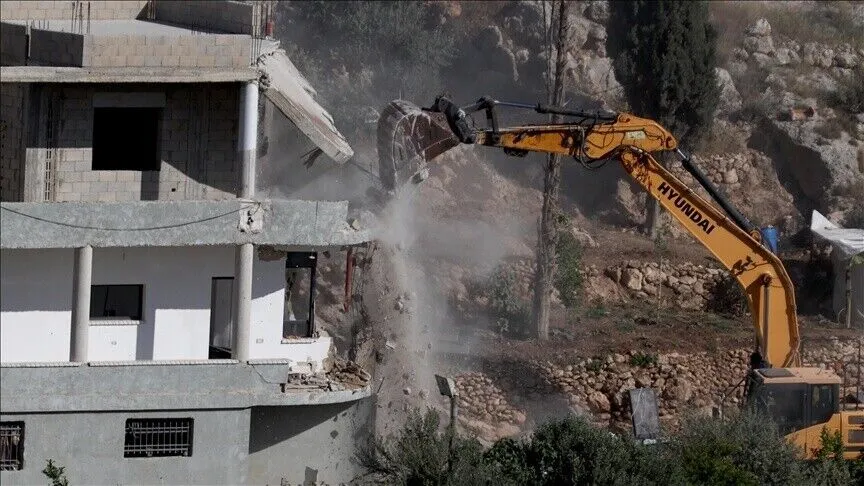
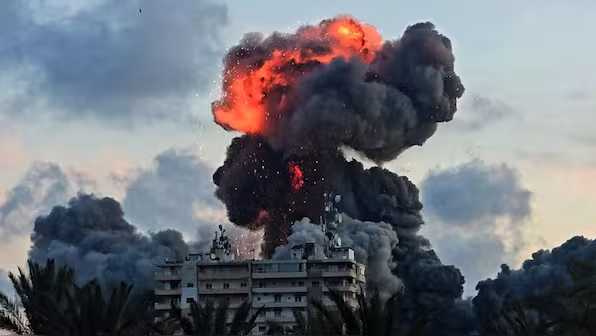
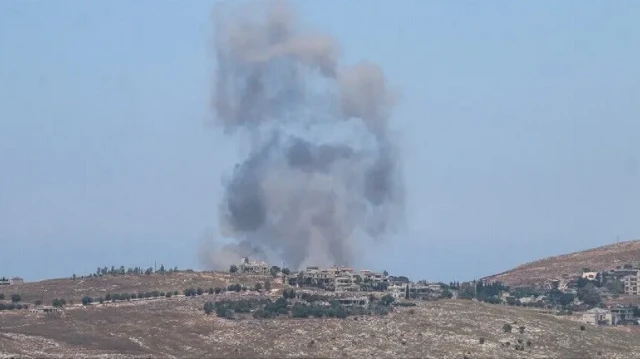
The venue for talks could revert to Washington if disagreements arise, according to sources close to the negotiations. This contingency plan notes the flexibility built into the negotiation process, allowing for higher-level intervention if obstacles prove insurmountable at the current forum. On Monday, Israeli forces continued setting fire to homes in the occupied border town of Haddatha. This act of destruction occurred just as diplomatic efforts were intensifying, creating a challenging backdrop for the Rome talks. The municipality of Bint Jbeil condemned "the destruction being carried out by the Israeli army in the town, which constitutes a systematic campaign of urban destruction targeting homes and neighborhoods." This strong condemnation from a local Lebanese authority shows the severity of the actions on the ground and their impact on civilian populations. The municipality further stated that "the demolition and blasting of buildings is accompanied by the use of more than 20 heavy excavators to carry out extensive land-clearing operations," painting a picture of large-scale, deliberate destruction. These ongoing actions by Israeli forces present a significant challenge to the atmosphere of trust and cooperation that the US-brokered talks aim to foster. The contrast between diplomatic efforts to establish pilot zones and the continued destruction in other areas notes the complex and often contradictory realities on the border. The Israeli news website Walla, citing a security official, reported an assessment that Israeli forces would begin a gradual withdrawal from agreed pilot zones in approximately three weeks. This assessment, if accurate, provides a potential timeline for the initial implementation phase of the framework agreement, offering a glimmer of progress amidst the ongoing tensions and destruction.