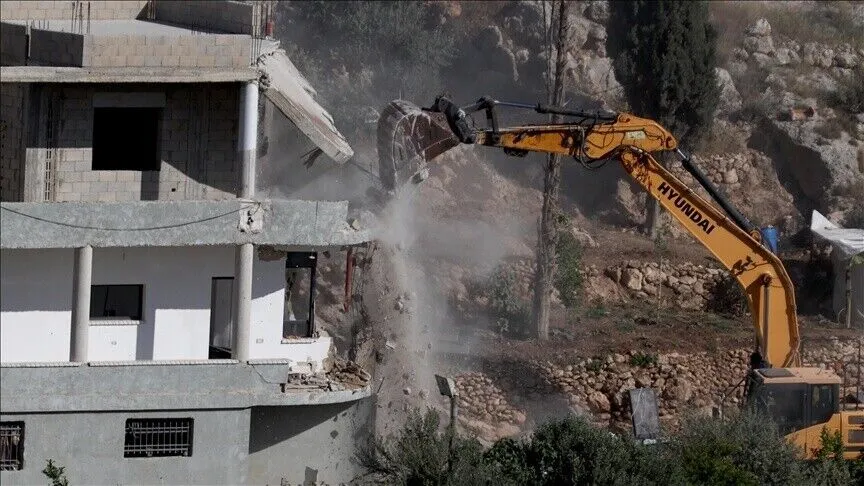
Israeli forces have continued operations in southern Lebanon despite an ongoing ceasefire and a US-sponsored withdrawal framework, according to the Lebanese state news agency. These continued operations mark a significant development in the region. In the southern neighborhoods of the town of Hadatha, Israeli forces were observed demolishing and burning homes, actions that directly contradict the spirit and terms of the existing diplomatic agreements. The Lebanese state news agency has consistently reported on these activities, noting the persistent presence and actions of Israeli forces in southern Lebanese territory.
Escalation in Southern Lebanon
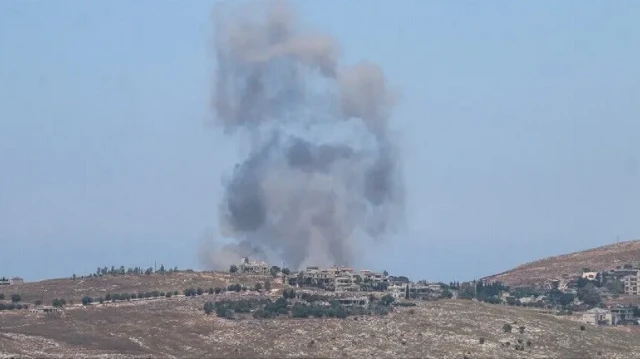
The Israeli army has been actively engaged in the demolition and burning of homes in southern Lebanon, specifically targeting the southern neighborhoods of Hadatha. These actions represent a tangible escalation of military activity in the area. In addition to these destructive acts, Israeli forces carried out a large explosion on Sunday in the southern city of Bint Jbeil. This explosion further shows the intensity of the ongoing military operations. The continuation of these significant military actions by Israeli forces in the region has been noted despite an existing ceasefire, which was intended to bring an end to hostilities and facilitate stability. The reports from the Lebanese state news agency emphasize the concern over these operations, particularly as they occur within a context of agreed-upon de-escalation efforts and a formal withdrawal framework.
Framework Agreement Context
A ceasefire has been in effect in the region since November 2024, providing a basis for a cessation of hostilities. This ceasefire was meant to pave the way for a more permanent resolution. Complementing this, a US-sponsored framework agreement, intended to guide the withdrawal process for all parties, was formally signed on June 26, 2026. This agreement was meticulously crafted to establish clear terms for de-escalation and troop movements, aiming to ensure a full and phased withdrawal. Despite these significant diplomatic efforts and the formal signing of the framework agreement, Israel continues to occupy various areas within southern Lebanon. The nature of these occupations varies; some have persisted for decades, predating recent conflicts and noting long-standing territorial disputes. Other areas have been occupied by Israeli forces since the conclusion of the 2023-2024 war. The ongoing presence of Israeli forces in these territories, particularly in light of the recent demolitions and explosions, raises serious questions about the effective implementation of the ceasefire and the overall effectiveness of the US-sponsored framework agreement in achieving its stated goals of de-escalation and withdrawal. The framework agreement explicitly provides for a phased Israeli withdrawal from all occupied Lebanese territory, a provision that appears to be challenged by current events.
Lebanese State Agency Reports
Lebanon's state-run National News Agency (NNA) reported Monday on the ongoing activities, providing key insights into the situation on the ground. The NNA detailed that despite a ceasefire being in place since November 2024 and the existence of a US-sponsored withdrawal framework signed on June 26, 2026, Israeli forces continued operations in southern Lebanon. These reports specifically noted the demolition and burning of homes in the southern neighborhoods of Hadatha, illustrating the direct impact of these operations on civilian infrastructure. The NNA also noted a large explosion carried out by Israeli forces on Sunday in the southern city of Bint Jbeil, further documenting the scope of military actions. Such actions, according to the agency, persist even with the existing ceasefire in place, raising considerable concerns about adherence to the agreement and the overall effectiveness of diplomatic efforts. The NNA's reporting serves as a critical source for understanding the ongoing challenges in implementing the peace framework.
Ongoing Occupation Concerns
During the latest war, Israeli forces advanced more than 10 kilometers (6 miles) into Lebanese territory, marking a significant territorial incursion. The ongoing presence of Israeli troops in these areas continues to be a major point of contention and a direct violation of Lebanese sovereignty. The existing framework agreement explicitly provides for a phased Israeli withdrawal from all occupied Lebanese territory, a cornerstone of the agreement designed to restore full territorial integrity. However, the recent military actions, including the demolitions and explosions reported by the NNA, occur within areas that remain under Israeli occupation. Some of these territories were captured during the recent 2023-2024 conflict, while others have been occupied for decades, signifying a persistent and unresolved issue. This complex situation raises profound questions regarding the implementation of the ceasefire and the overall effectiveness of the framework agreement in securing a complete and timely Israeli withdrawal from all Lebanese territory. The continued operations show the challenges in translating diplomatic agreements into concrete actions on the ground.